

 English
  Français
  عربى
عربى Bean to Bar Chocolate Making Equipment: Complete Buyer's Guide for Craft Makers
Content
- 1 Grinding and Conching: The Particle Size Foundation
- 2 Tempering: From Dull Bar to Glossy Snap
- 3 Support Equipment: Melting, Holding, Pumps, and Moulding
- 4 Small-Scale Setup: What Really Affects Your Chocolate
- 5 Five Questions to Ask Before Buying Bean to Bar Equipment
- 5.0.1 Q1: What particle size can the grinder achieve and how is it measured?
- 5.0.2 Q2: Can the equipment be cleaned and changed over quickly?
- 5.0.3 Q3: What is the actual temperature control tolerance?
- 5.0.4 Q4: Does the supplier provide installation, training, and after-sales support?
- 5.0.5 Q5: What quality standards does the manufacturer follow?
- 6 Conclusion
Start with the recipe, not the machine. A new craft chocolate maker can easily be overwhelmed by the long list of bean to bar chocolate making equipment: grinders, ball mills, tempering units, holding tanks, fat melters, pumps, and moulding lines. The purchasing sequence becomes clear when you first define two numbers: your target batch size in kilograms per run and the final product texture you want. From those two numbers, the rest of the lineup follows. This guide walks through the order most craft makers actually buy: first the grinding stage, then tempering, then support units, and finally the questions to ask before you sign the purchase order.
Many craft makers make the same mistake: they buy the biggest grinder they can afford and later discover that the holding tank is too small for the batch, or that the temperer cannot keep up with the grinding output. The right sequence is to match every downstream unit to the output of the upstream one. A small line works well when each unit is sized to the same nominal capacity.
Grinding and Conching: The Particle Size Foundation
Grinding and conching turn cocoa nibs, sugar, and cocoa butter into a smooth paste. In the bean to bar process, particle size is the first quality lever you can control. A well-ground batch reaches a particle size of about 20 to 30 microns; once most particles fall under 30 microns, the chocolate feels smooth on the tongue, and the flavour notes from the bean emerge more clearly.
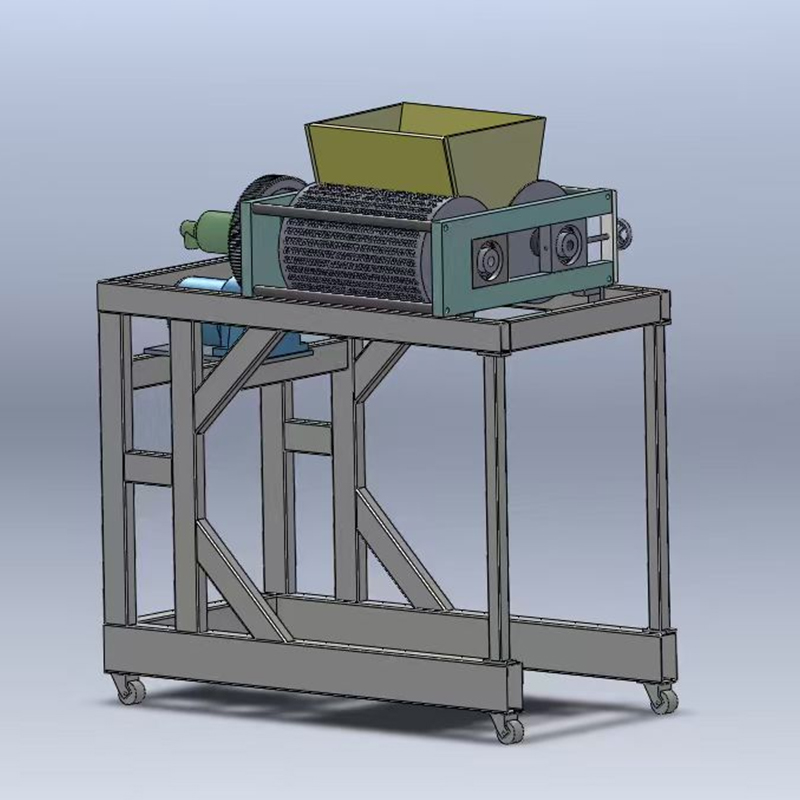
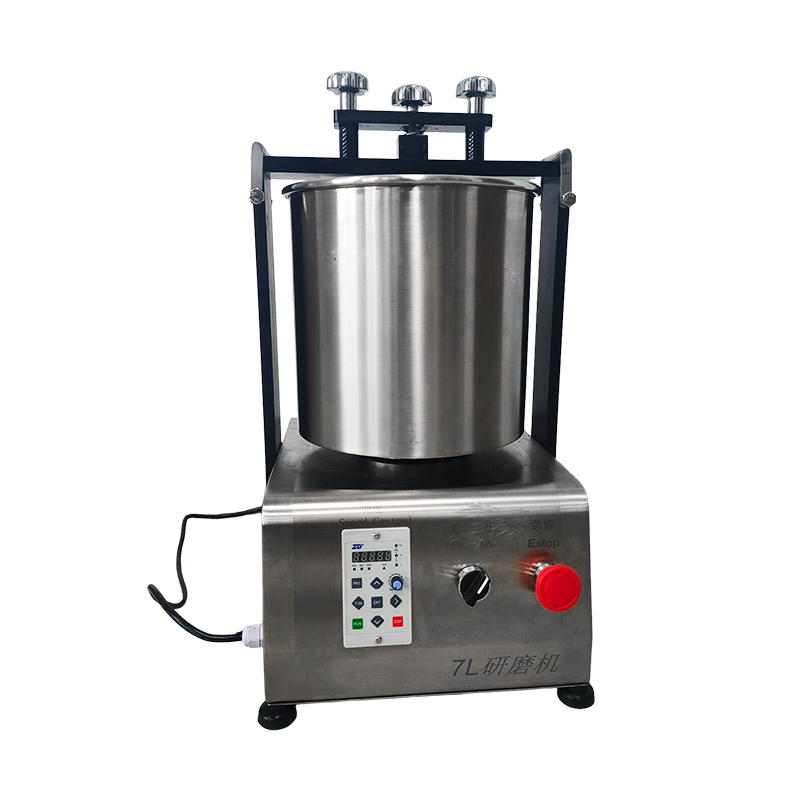
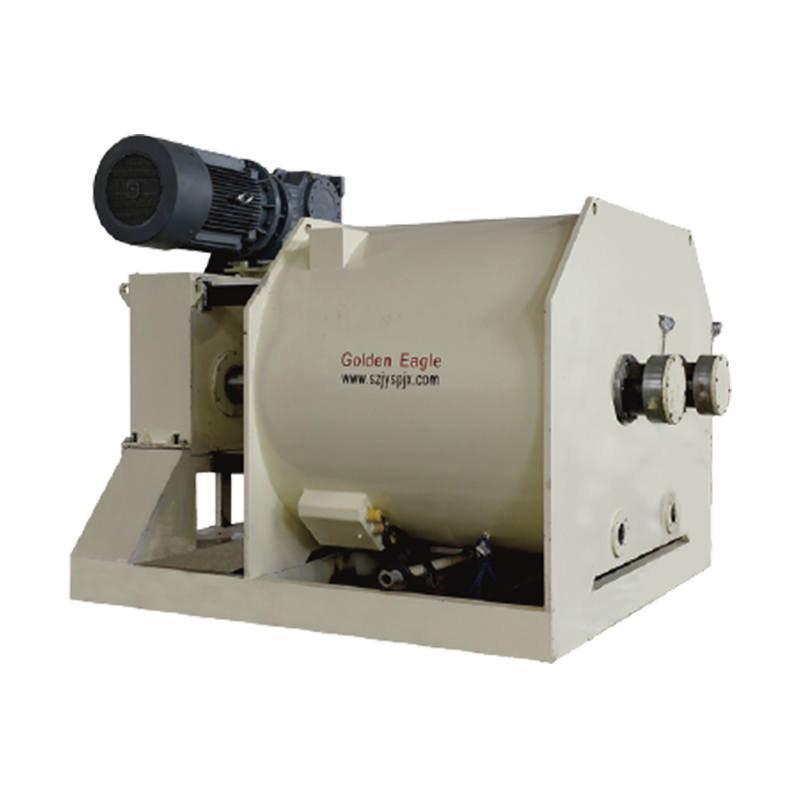
Two machine families dominate this stage. Three-roll refiners are compact, easy to see and adjust, and suit batch sizes under 200 kg. Ball mills are more automated, reduce aroma loss because they grind in a closed vessel, and work well when you plan to scale beyond a single kettle. The decision is not about which type is better in theory, but about how often you will change recipes and how much space you can assign to the grinding area.
Choosing Between a Three-Roll Refiner and a Ball Mill
Three-roll refiners keep the chocolate open to the air, which means you can visually monitor the paste; however, this also means water can evaporate from the mass, and the paste is more exposed to contamination. Ball mills seal the grinding chamber, which preserves volatile cocoa aromas but makes observation less direct. If your recipe relies on delicate fragrance notes from a rare bean, a ball mill or a combination of low-temperature grinding and short conching is often the safer route.
During production, it is useful to take a small sample of the paste at 30, 60, and 90 minutes and measure the particle size with a micrometer. The D90 value, meaning that 90 percent of the particles are finer than that measurement, should fall at or below 30 microns for a standard dark chocolate. For milk chocolate, the target is often a little lower because added milk powder introduces its own particles.
Tempering: From Dull Bar to Glossy Snap
Tempering is the step that separates a dull, soft bar from a glossy chocolate with a clean snap. After the grinder, the paste is naturally around 45°C. Cooling it to 27-29°C forces the cocoa butter to form stable crystals, and reheating to 31-32°C keeps those crystals in suspension. A tempering machine controls this cycle with repeatable accuracy. Batch tempering machines are affordable and flexible, but continuous temperers are about 2-3 times more expensive and much faster for production lines running all day.
Dark, milk, and white chocolate each need slightly different tempering curves. The milk fat in milk chocolate lowers the temperature by about one degree, and white chocolate, which contains only cocoa butter and milk solids, has a narrower working window. When choosing a temperer, ask for the temperature range and coolant type, because a small difference between the bowl and the outlet can change the whole batch.
| Type | Best for | Capacity range | Investment |
|---|---|---|---|
| Batch temperer | Small craft batches, frequent recipe changes | 10-200 kg | Lower |
| Continuous temperer | Steady production, enrobing lines | 300-2000 kg | Higher |
Support Equipment: Melting, Holding, Pumps, and Moulding
Fat Melting and Holding Units
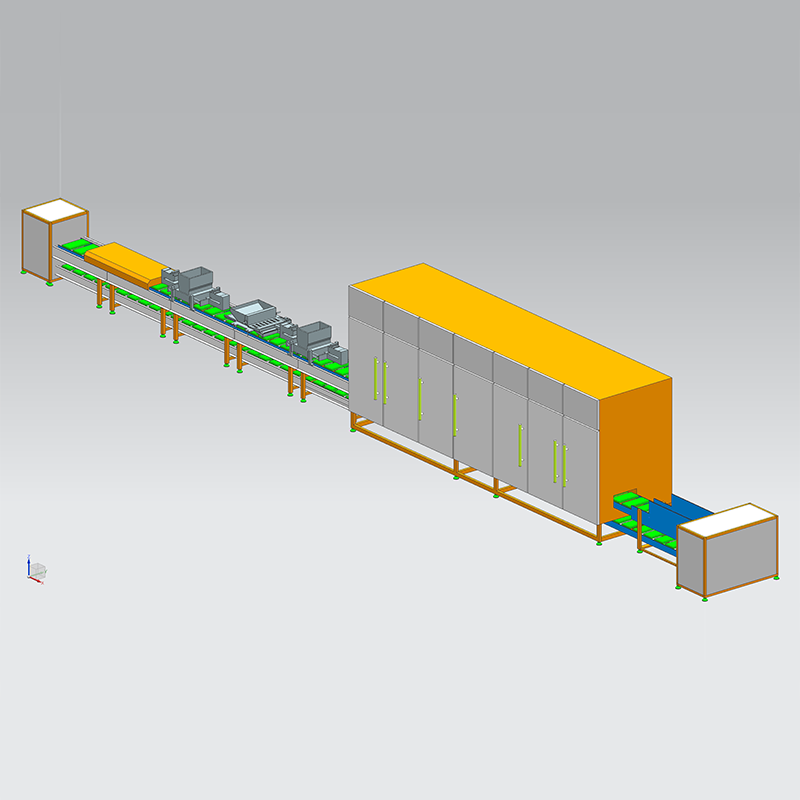
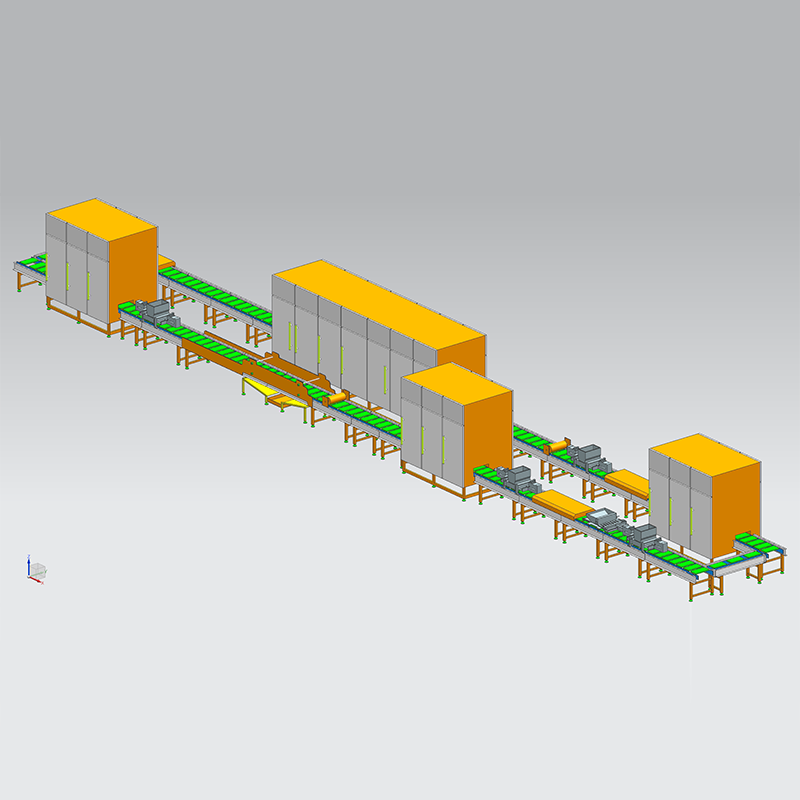
While grinders and temperers get most of the attention, the support equipment decides whether your production day runs smoothly. A fat melting tank feeds cocoa butter and other fats into the mix at a controlled temperature. A chocolate holding tank keeps the paste at 50°C between batches, which prevents thick layers from building up on the walls. When you buy a complete bean to bar line, these units are usually designed to work as one system, so the connecting dimensions, valve types, and digital temperature readouts match across the line.
Pumps, Moulding, and Coating Lines
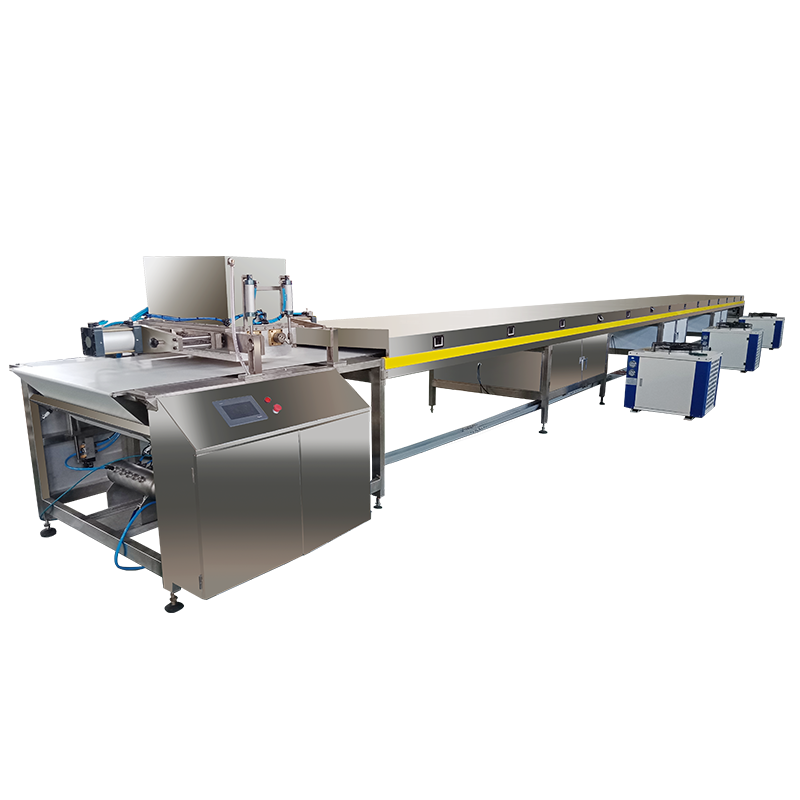
Chocolate pumps move high-viscosity chocolate through pipes without introducing air bubbles. Chocolate pumps come in two common types: rotor-stator pumps for high-viscosity pastes and lobe pumps for delicate bean to bar masses. The rotor-stator type is simpler and cheaper, while lobe pumps are cleaner for product containing nut pieces or inclusions. An enrobing line adds a chocolate coating to biscuits, cookies, or pastes, while a moulding line pours the tempered chocolate into blocks and figures. Small craft makers often start with one moulding station and add an enrober only when a customer asks for a coated product. The advantage of a full line is not speed alone; it is repeatability. The disadvantage is a higher initial investment, so do not add a coating unit until your recipe is stable and your demand is proven.
Small-Scale Setup: What Really Affects Your Chocolate
Many craft makers start with a single grinder and a tempering unit. As you move to a lower-cost setup, the two questions that most affect your final chocolate are moisture content and flow behaviour. In sensory tests with different grinding equipment, moisture keeps rising while the chocolate is being refined, and this changes how the paste flows at a given temperature. If your workshop has high humidity, the chocolate may become sticky in the grinder and slower to flow through the pump. A simple answer is to plan a climate-controlled room and to check the moisture content of the mass after each cycle.
One practical formula many small operators use is: ball mill + batch temperer + holding tank + pump for a starting capacity of 100-300 kg per day. A three-roll refiner can replace the ball mill when you want to watch the texture develop, but you will need a separate mixer for the initial mixing stage. If you are working in a space of around 25 square meters, the ball mill and the tempering unit can share the same room, provided you leave a 60 cm service corridor for cleaning and maintenance.
Also plan where the water source and drainage will sit in the room. Grinding and tempering equipment often needs water for temperature control, and having a floor drain nearby can reduce the risk of steam fogging in the production area. Keep a checklist of electrical requirements: many industrial grinders run on 380V or 400V three-phase power, so a single phase 230V workshop socket will not be enough for a larger unit.
Five Questions to Ask Before Buying Bean to Bar Equipment
Q1: What particle size can the grinder achieve and how is it measured?
Ask for a documented particle size distribution, usually measured with a micrometer or laser particle analyser. A good bean to bar target is a D90 below 30 microns, with the majority of particles between 15 and 25 microns. This number is the most reliable predictor of smoothness.
Q2: Can the equipment be cleaned and changed over quickly?
Look for a minimum number of dead zones, tool-free disassembly for product contact parts, and a drain valve at the lowest point. This matters if you change recipes often or make different chocolate types in the same week.
Q3: What is the actual temperature control tolerance?
For tempering, tolerance within plus/minus 0.5°C is acceptable for small batches; plus/minus 0.3°C is preferable for continuous production. This is the number that protects your chocolate from fat bloom.
Q4: Does the supplier provide installation, training, and after-sales support?
A complete line is more than boxes on a pallet. Ask for a written installation and training plan, and confirm whether spare parts are stocked locally or shipped from the factory. Good suppliers also offer a remote startup support call during the first running week.
Q5: What quality standards does the manufacturer follow?
Look for ISO 9001 certification for quality management and CE certification for the European market. Both can indicate that the equipment is designed with enough consistency for commercial use.
Conclusion
Bean to bar equipment is not a single purchase; it is a sequence of decisions that should be made from the product backwards. Start with the batch size and the texture you want. Buy the grinding stage first, tempering second, and support units once you have validated your recipe. A supplier that can provide the core machine plus the holding, pumping, and temperature control elements as one system will reduce the hidden integration risk on your line.
Once you have the line running, document the actual values you observe: room temperature, mass temperature during conching, and throughput per hour. This becomes your own operating standard and lets you reproduce the same bar two months later without guessing.
The cheapest setup is the one that can grow with your recipe from a 100 kg batch to a daily production shift without forcing you to replace the unit you already own.