

 English
  Français
  عربى
عربى How Is Cocoa Butter Made: A Complete Guide to Chocolate Processing
Content
- 1 Introduction to Cocoa Butter
- 2 Step 1: Selection and Cleaning of Cocoa Beans
- 3 Step 2: Roasting and Cracking
- 4 Step 3: Grinding and Cocoa Liquor Production
- 5 Step 4: Pressing and Cocoa Butter Extraction
- 6 Step 5: Filtration and Purification
- 7 Step 6: Deodorization and Refinement
- 8 Step 7: Storage and Packaging
- 9 Quality Control and Industry Standards
- 10 Comparing Traditional vs Modern Methods
- 11 Applications of Cocoa Butter
- 12 Table: Cocoa Butter Production Metrics
- 13 FAQ on Cocoa Butter Production
- 13.0.1 Q1: What types of chocolate processing machinery are used for cocoa butter extraction?
- 13.0.2 Q2: How much cocoa butter can be extracted from cocoa beans?
- 13.0.3 Q3: Why is deodorization important in cocoa butter production?
- 13.0.4 Q4: How does modern machinery improve cocoa butter yield?
- 13.0.5 Q5: Can cocoa butter be stored for long periods?
Introduction to Cocoa Butter
Cocoa butter is a crucial ingredient in chocolate manufacturing, contributing to the smooth texture, creamy taste, and melting properties that define high-quality chocolate. Extracted from cocoa beans, cocoa butter is a natural fat that has wide applications in confectionery, cosmetics, and pharmaceuticals. Understanding its production process requires familiarity with the chocolate processing machinery and techniques involved.
The production of cocoa butter starts with high-quality cocoa beans, which are processed using specialized chocolate making machines designed to preserve the delicate flavors and maximize yield. Efficient processing not only ensures superior product quality but also reduces production costs by optimizing machinery performance.
Step 1: Selection and Cleaning of Cocoa Beans
The initial stage of cocoa butter production involves the careful selection of cocoa beans. Only mature and defect-free beans are used to ensure optimal fat content. After selection, beans undergo a rigorous cleaning process to remove impurities such as stones, dust, and shells.
Modern chocolate processing machinery often incorporates automatic sorting and cleaning systems, which enhance efficiency and reduce labor costs. This step is essential because any foreign material or defective beans can adversely affect the quality of the final cocoa butter.
Step 2: Roasting and Cracking
Roasting is a critical step that develops the characteristic chocolate flavor while reducing moisture content. Beans are roasted at carefully controlled temperatures to avoid burning, which can lead to undesirable flavors.
After roasting, the beans are cracked and winnowed using specialized chocolate processing machinery to separate the cocoa nibs from the outer shells. The nibs contain the cocoa solids and cocoa butter, which are essential for the next processing stages.
Step 3: Grinding and Cocoa Liquor Production
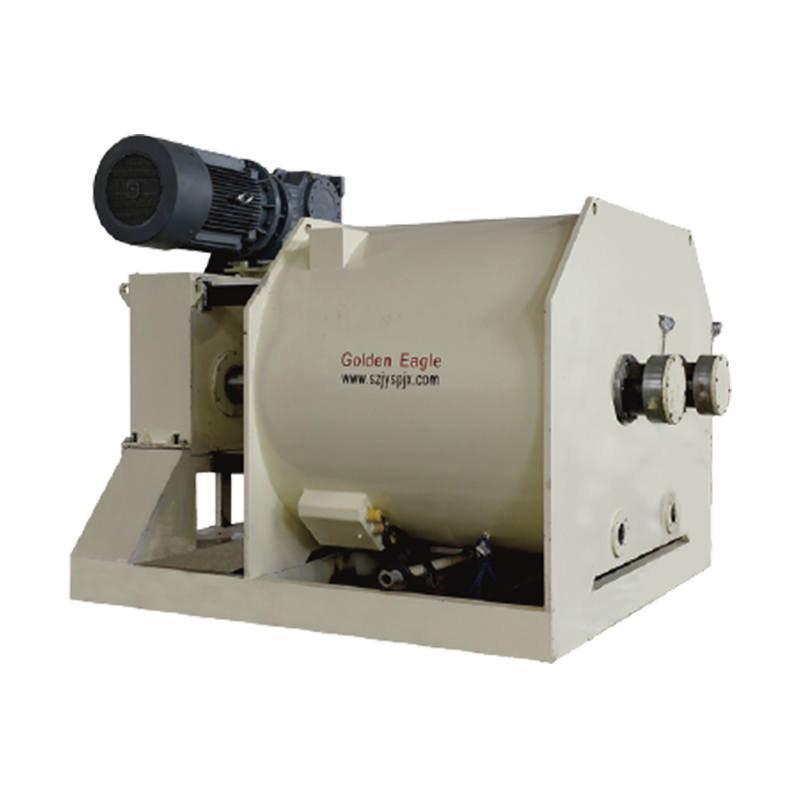
The cocoa nibs are ground using heavy-duty chocolate making machines to produce cocoa liquor, also known as cocoa mass. This paste contains both cocoa solids and cocoa butter in a natural blend.
The grinding process is crucial for texture refinement. High-efficiency chocolate processing machinery ensures that the cocoa particles are sufficiently small, resulting in a smooth, homogeneous cocoa liquor suitable for pressing into cocoa butter.
Step 4: Pressing and Cocoa Butter Extraction
Cocoa liquor is pressed using hydraulic or mechanical presses to separate cocoa solids from cocoa butter. The pressing process typically extracts 50-55% of fat from the liquor, leaving behind cocoa cake, which can be further processed into cocoa powder.
The efficiency of this step depends heavily on the design and operation of the chocolate processing machinery. Modern presses are optimized for maximum fat extraction while maintaining the integrity of the cocoa butter.
Step 5: Filtration and Purification
After extraction, cocoa butter is filtered to remove residual particles and impurities. This step ensures a clear, pure product with a smooth texture and consistent melting point.
Filtration systems in chocolate processing machinery may include vacuum filters and fine mesh screens. The result is a high-quality cocoa butter that is ready for further refinement or direct use in chocolate making.
Step 6: Deodorization and Refinement
Cocoa butter may contain natural flavors and odors from the beans. Deodorization, performed under controlled temperatures and vacuum conditions, removes unwanted scents without affecting the functional properties of the fat.
This refined cocoa butter meets industry standards for chocolate production and cosmetic applications. It ensures a neutral flavor, making it versatile for multiple uses in high-end chocolate processing lines.
Step 7: Storage and Packaging
Proper storage is vital to maintain the quality of cocoa butter. It should be kept in a cool, dry environment away from direct sunlight and contaminants. Packaging is often performed in airtight containers to preserve freshness and prevent oxidation.
Modern chocolate processing machinery can integrate automated filling and sealing systems, ensuring consistent packaging quality and reducing contamination risks.
Quality Control and Industry Standards
High-quality cocoa butter production requires rigorous quality control measures at every stage. Parameters such as fat content, moisture levels, and color consistency are regularly monitored.
Tables and charts are often used in chocolate manufacturing facilities to track key metrics and ensure that the cocoa butter meets strict industry standards. Consistent quality control minimizes defects and ensures reliable performance in chocolate processing machinery.
Comparing Traditional vs Modern Methods
Traditional cocoa butter extraction relied heavily on manual labor and low-efficiency presses. Modern chocolate making machines have transformed the process by increasing yield, reducing processing time, and ensuring uniform quality.
While traditional methods produced lower quantities of cocoa butter, modern machinery achieves up to 60% higher extraction efficiency with significantly less human intervention. Automated temperature control and pressure systems also enhance the consistency of the final product.
Applications of Cocoa Butter
Cocoa butter is widely used in chocolate manufacturing to improve texture, flavor, and melting characteristics. Additionally, it serves as a key ingredient in cosmetic formulations such as lotions, creams, and lip balms due to its emollient properties.
The versatility of cocoa butter makes it essential for chocolate processing machinery in both industrial and artisanal production lines. Its high stability and neutral taste allow for consistent quality across various chocolate products.
Table: Cocoa Butter Production Metrics
| Stage | Efficiency (%) | Typical Yield |
| Pressing | 50-55 | Cocoa Butter vs Cake |
| Refinement | >95 | Purity & Clarity |
| Deodorization | >98 | Neutral Aroma |
FAQ on Cocoa Butter Production
Q1: What types of chocolate processing machinery are used for cocoa butter extraction?
Hydraulic presses, grinding machines, and filtration systems are commonly used to extract cocoa butter efficiently while maintaining quality.
Q2: How much cocoa butter can be extracted from cocoa beans?
Typically, pressing yields 50-55% cocoa butter from cocoa liquor, depending on bean quality and processing conditions.
Q3: Why is deodorization important in cocoa butter production?
Deodorization removes residual flavors and odors, resulting in a neutral cocoa butter suitable for diverse chocolate and cosmetic applications.
Q4: How does modern machinery improve cocoa butter yield?
Modern chocolate making machines optimize temperature, pressure, and grinding precision, increasing extraction efficiency by up to 60% compared to traditional methods.
Q5: Can cocoa butter be stored for long periods?
Yes, when stored in cool, dry, and airtight conditions, cocoa butter can remain stable and retain quality for several months.