

 English
  Français
  عربى
عربى How Is Dark Chocolate Made? The Complete Bean-to-Bar Process Explained
Making dark chocolate is a precise craft: cacao beans are transformed through fermentation, drying, roasting, winnowing, grinding, conching, tempering and moulding. Each step changes the flavour, texture and shelf-life of the final bar. This guide walks through the complete process and the practical parameters that determine whether a dark chocolate tastes smooth or gritty.
How Dark Chocolate Is Made, Stage by Stage
Step 1: Harvesting, Fermenting and Drying Cacao
Ripe cacao pods are harvested by hand. The beans are removed from the pods and placed in banana leaves or wooden boxes for five to seven days. During fermentation, naturally occurring yeasts and bacteria develop flavour precursors while the beans become dark brown. After fermentation, the beans are dried under the sun until moisture falls below about 7-8 per cent. This stabilises the beans and prevents spoilage during transport.
Step 2: Roasting and Winnowing
Roasting is where chocolate aroma begins to appear. Depending on the bean variety and desired profile, beans are roasted at 120-160°C for 20-40 minutes. The aim is to develop melanoidins and pyrazines while avoiding burnt off-notes. After roasting, the beans enter a winnower, which removes the outer husk to leave clean cocoa nibs.
Step 3: Grinding into Chocolate Liquor
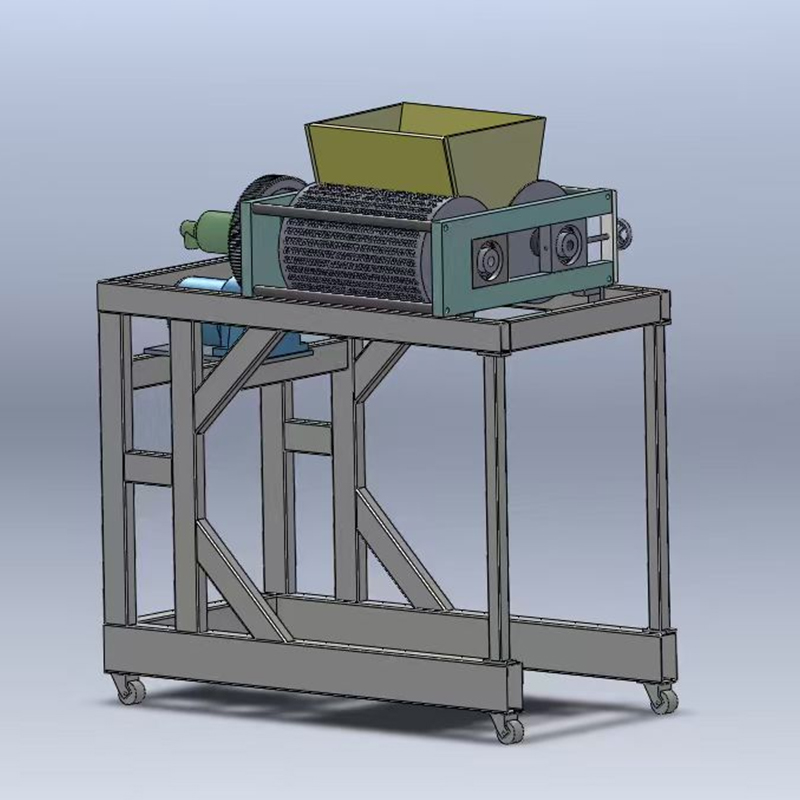
The nibs are ground into a dark, thick paste called chocolate liquor (or cocoa mass). This paste consists of cocoa solids and cocoa butter in roughly equal proportions. Grinding also releases heat, so industrial grinders often control the temperature carefully. At this stage, the liquor can be pressed to separate cocoa butter, but for dark chocolate it is typically kept whole as the base ingredient.
Step 4: Conching for Smoothness and Flavour
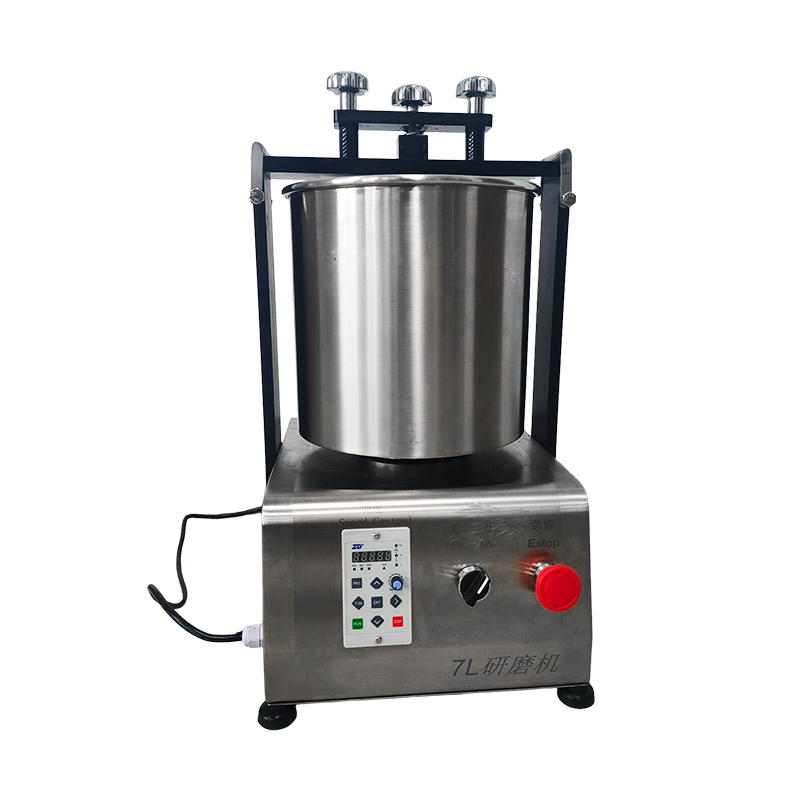
Conching is a long mechanical kneading and shearing process. The liquor is mixed with sugar and sometimes lecithin, then moved by a conche refiner for 24 to 72 hours, or even longer for high-end recipes. The temperature ranges from 45°C to 65°C. This step reduces particle size to below 30 microns, which is the threshold for a smooth texture on the tongue. It also removes volatile acids and bitterness while coating each particle with fat.
Step 5: Tempering, Moulding and Finishing
Tempering is the stage that gives dark chocolate its glossy finish, crisp snap and stable shelf-life. The chocolate is heated to about 45°C to melt all fat crystals, cooled to roughly 27°C to encourage crystal formation, then reheated to about 31°C to leave only the stable crystal form. After tempering, the chocolate is poured or deposited into moulds, vibrated to remove air bubbles, and cooled in a tunnel. Finally, the bars are demoulded and packed.
Critical Parameters That Determine Dark Chocolate Quality
What separates a mediocre dark chocolate from an exceptional one is not just ingredients; it is temperature control, particle distribution and conching time. The table below summarises the most important production parameters and what happens when they are wrong.
| Process stage | Typical parameter | Impact of deviation |
|---|---|---|
| Fermentation | 5-7 days | Under-fermented gives astringent, grassy taste; over-fermented gives musty off-notes |
| Roasting | 120-160°C, 20-40 min | Too low retains raw acidity; too high creates scorched, bitter flavour |
| Grinding | Particle size ≤ 30 µm | Larger particles feel gritty or chalky |
| Conching | 45-65°C, 24-72 h | Short conching leaves sour, rough taste; over-conching can mellow flavour |
| Tempering | 45°C → 27°C → 31°C | Improper tempering leads to fat bloom, soft texture and poor snap |
Remember that “quality” is not a single number. Well-equipped chocolate factories monitor each parameter continuously, because small deviations in time or temperature create large differences in texture and flavour.
In simple terms: if you want smooth dark chocolate, you need fine particle grinding and correct tempering. If you want deep flavour, you need adequate conching. If you want both, you need equipment that holds temperature and shear steady for hours.
Industrial Dark Chocolate Production vs Small-Batch Craft
Artisan or small-batch chocolate makers often use stone grinders or compact conche machines. These are flexible and excellent for producing small runs with unique, bold flavours. However, industrial dark chocolate production demands consistent outputs of thousands of bars per hour. That is where chocolate equipment becomes essential.
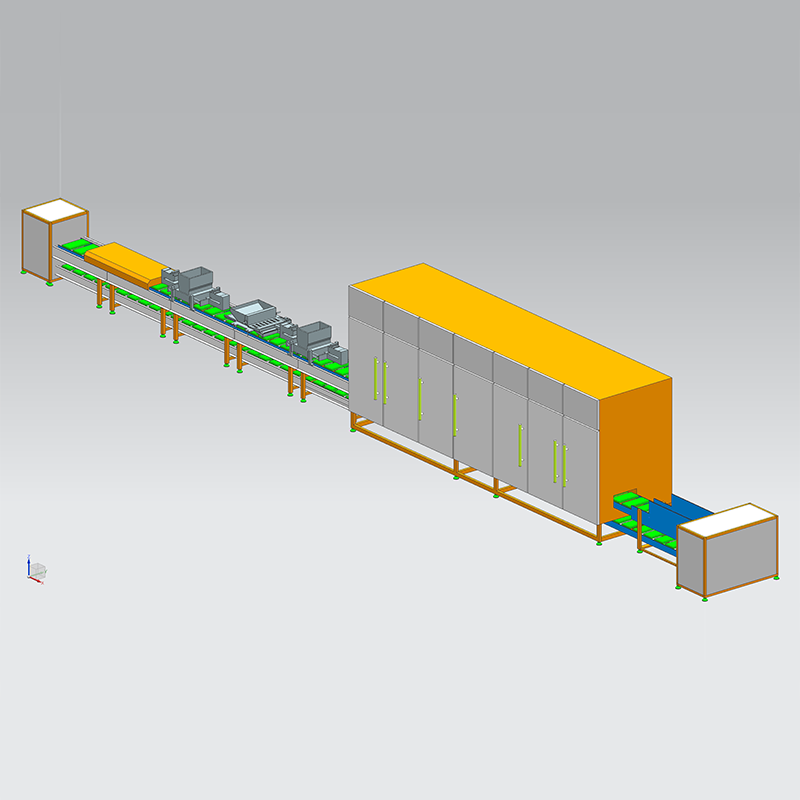
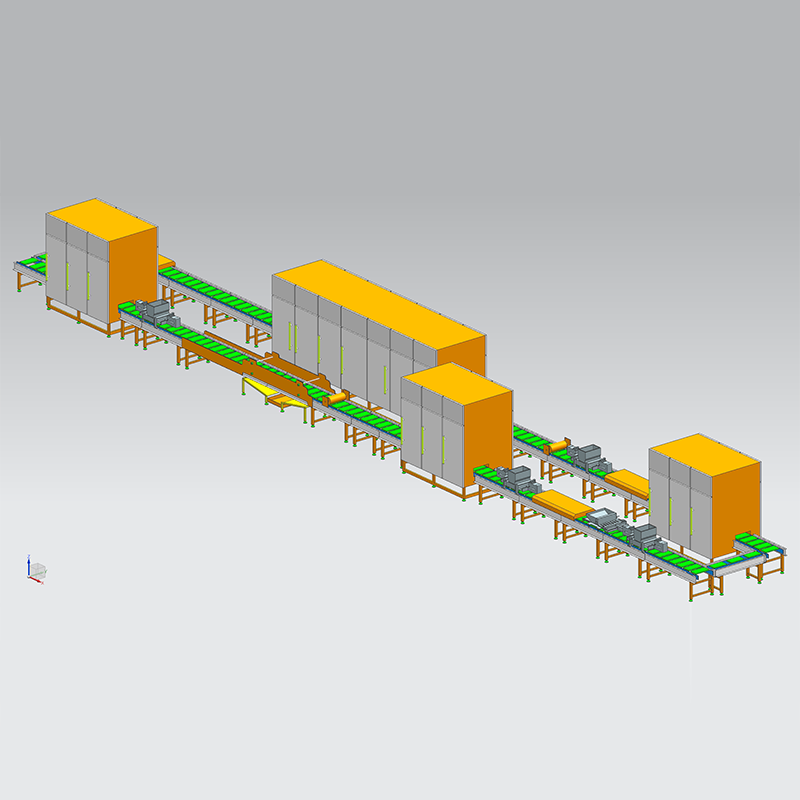
In a typical industrial line, the roasted nibs move into a ball mill or three-roll refiner, then into a conche refiner, which performs grinding and conching under controlled temperature. After conching, the paste passes to a holding tank, then to a tempering machine and finally a moulding line. Each equipment class is designed to control one specific variable: shear, heat, crystal growth or flow rate. This is why the same recipe can taste different in two factories if the machines are not properly tuned.
For a producer, choosing the right machine may matter more than the recipe. The decision often comes down to batch size, conching time, energy efficiency and whether the line can be cleaned quickly between batches. These are practical considerations that affect both production cost and taste.
How to Evaluate a Well-Made Dark Chocolate
You do not need to be a confectioner to judge a well-made dark chocolate. Start with the surface: a high-gloss, uniform finish indicates proper tempering. Next, break the bar: a clean snap with a sharp sound means the cocoa butter is correctly crystallised. When you taste it, a good dark chocolate should melt rapidly and evenly, releasing slow notes of fruit, dried nuts or roasted cocoa. If it leaves a gritty or waxy coating in your mouth, the particle size or conching time was probably insufficient.
Also read the label. Dark chocolate needs cocoa liquor, cocoa butter, sugar and, optionally, lecithin. A minimum of 50-70 per cent cacao is typical for a balanced, complex taste, while extra butter is often added for a smoother mouthfeel. High percentages alone do not guarantee quality; the process matters more.
FAQs About Dark Chocolate Making
Q1: Why is dark chocolate sometimes bitter?
The bitterness comes naturally from cocoa polyphenols and, in smaller amounts, from the roasting process. Low fermentation or short conching can leave a sharper, more astringent sensation. Gentle conching at the correct temperature over 24-48 hours usually reduces harshness without losing depth.
Q2: What is the difference between cacao and cocoa?
In common usage, “cacao” refers to the raw bean and to products processed at lower temperatures, while “cocoa” refers to roasted or powdered derivatives. In dark chocolate manufacturing, the bean is ground into cocoa mass, which is mostly called chocolate liquor.
Q3: Does a higher cocoa percentage automatically mean better chocolate?
Not necessarily. A 90% dark chocolate with a weak process can be harsh and dry, while a 70% bar from a well-conched, correctly tempered recipe can be far more enjoyable. Besides percentage, look at the list for emulsifiers and added fats, and at the company’s stated conching time.
Q4: How long does conching take?
Typical conching is 24-72 hours. Very fine commercial chocolate may be conched for more than 80 hours. The longer time develops flavours and reduces particle size, but if the temperature is too high, the result can smell over-cooked or caramelised.
Q5: Why does chocolate turn white and chalky?
Those white patches are called fat bloom or sugar bloom. Fat bloom occurs when the cocoa butter recrystallises after poor tempering or temperature fluctuations during storage. Sugar bloom forms when moisture condenses on the surface and dissolves then recrystallises sugar. Both affect appearance and texture but are not usually a safety concern.