

 English
  Français
  عربى
عربى How Are Chocolate Chips Made: Step-by-Step Chocolate Production Insights
Content
- 1 Introduction to Chocolate Chip Production
- 2 Step 1: Sourcing and Preparing Cocoa Beans
- 3 Step 2: Grinding and Chocolate Liquor Production
- 4 Step 3: Tempering Chocolate for Stability
- 5 Step 4: Molding and Shaping Chocolate Chips
- 6 Step 5: Quality Control and Testing
- 7 Step 6: Factors Affecting Chocolate Chip Quality
- 8 Step 7: Automation in Modern Chocolate Production
- 9 Conclusion
- 10 FAQ
- 10.0.1 Q1: What machines are essential for chocolate chip production?
- 10.0.2 Q2: How does conching affect chocolate chip quality?
- 10.0.3 Q3: Why is tempering necessary for chocolate chips?
- 10.0.4 Q4: Can chocolate chips be made without automated machines?
- 10.0.5 Q5: How does bean origin affect the final chocolate chip?
Introduction to Chocolate Chip Production
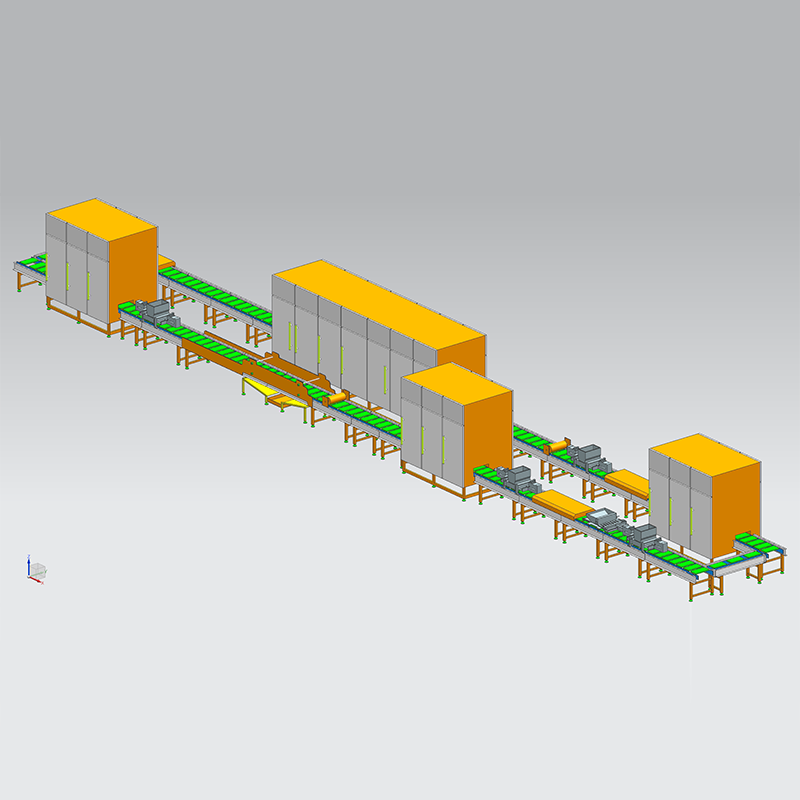
Chocolate chips are one of the most widely used ingredients in confectionery, bakery products, and desserts. Their production is not merely a matter of melting chocolate and forming small shapes. It involves a complex series of operations that transform raw cocoa beans into uniform, high-quality chocolate chips ready for packaging. Understanding the role of chocolate bean production line and related machines making chocolate is critical for both industrial and artisanal chocolate manufacturers.
This article explores the stages of chocolate chip production, the equipment involved, and the factors affecting quality and consistency.
Step 1: Sourcing and Preparing Cocoa Beans
The journey of chocolate chips begins with high-quality cocoa beans. These beans are typically sourced from tropical regions and undergo a careful selection process to ensure uniformity in size and quality.
Cleaning and Sorting
Before roasting, beans are cleaned using mechanical screens and air blowers to remove debris and foreign materials. Advanced sorting machines use optical sensors to detect defects, ensuring only premium beans proceed further.
Roasting
Roasting enhances flavor development, aroma, and color. Modern chocolate manufacturing machines use precise temperature-controlled roasters that prevent over-roasting. Typical temperatures range between 120–150°C, with durations of 20–30 minutes depending on bean type.
Step 2: Grinding and Chocolate Liquor Production
Once roasted, cocoa beans are cracked and deshelled to obtain cocoa nibs. These nibs are then ground into cocoa liquor, a critical intermediate for chocolate production.
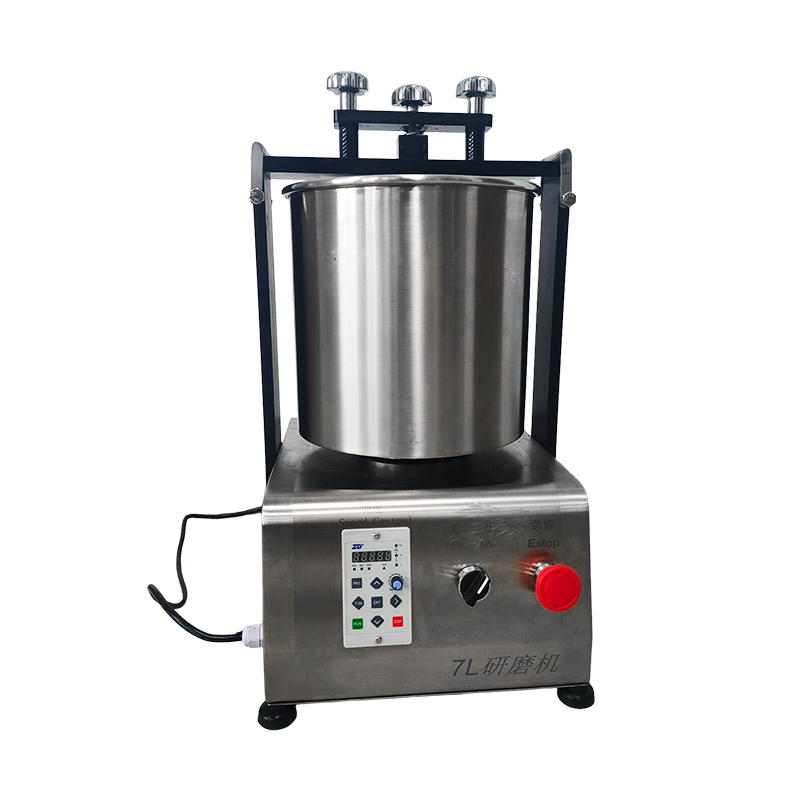
Chocolate Bean Production Line Grinding Machines
Industrial chocolate bean production lines employ machines such as ball mills, stone grinders, and refiners. These machines reduce particle size to 20–25 microns, ensuring smooth texture in the final chocolate. The grinding process also generates heat, melting the cocoa butter within the nibs to form a viscous liquid known as chocolate liquor.
Conching
Conching is a mechanical process that improves flavor, viscosity, and texture. Chocolate manufacturing machines perform continuous conching, during which chocolate liquor is stirred under controlled heat for 8–24 hours. This step reduces acidity and enhances the chocolate’s mouthfeel, critical for creating high-quality chocolate chips.
Step 3: Tempering Chocolate for Stability
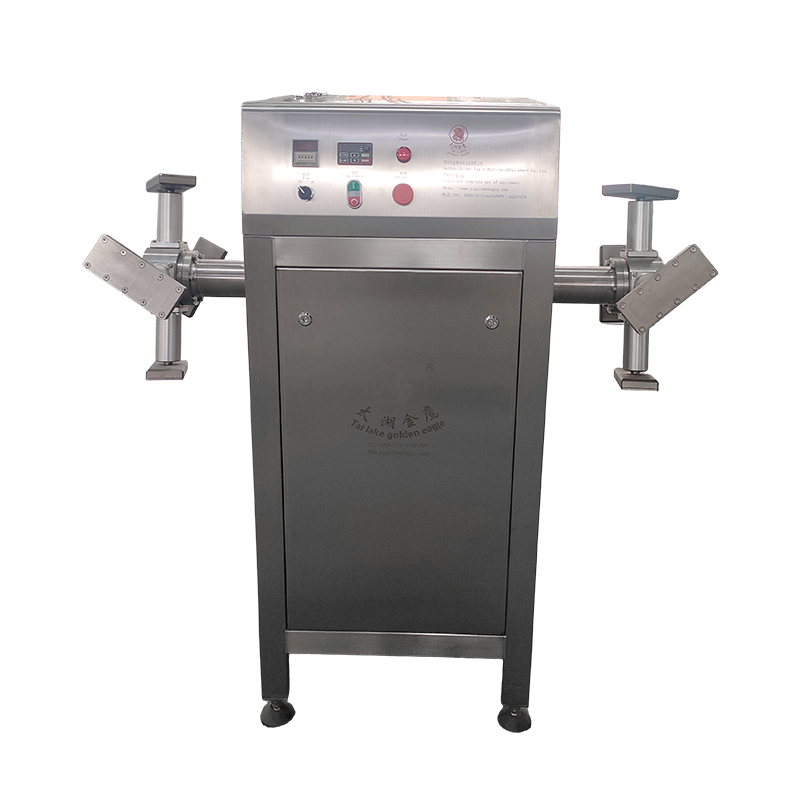
Tempering is essential to stabilize cocoa butter crystals, which ensures chocolate chips retain their shape, shine, and snap.
Temperature-Controlled Tempering Machines
Specialized chocolate manufacturing machines precisely cool and reheat the chocolate to form stable beta crystals. Temperature profiles are carefully monitored: chocolate is first heated to 45–50°C, cooled to 27–28°C, and then gently reheated to 31–32°C for dark chocolate.
Benefits of Proper Tempering
Properly tempered chocolate prevents blooming, ensures even melting, and guarantees that chocolate chips maintain a consistent texture in baking and confectionery applications.
Step 4: Molding and Shaping Chocolate Chips
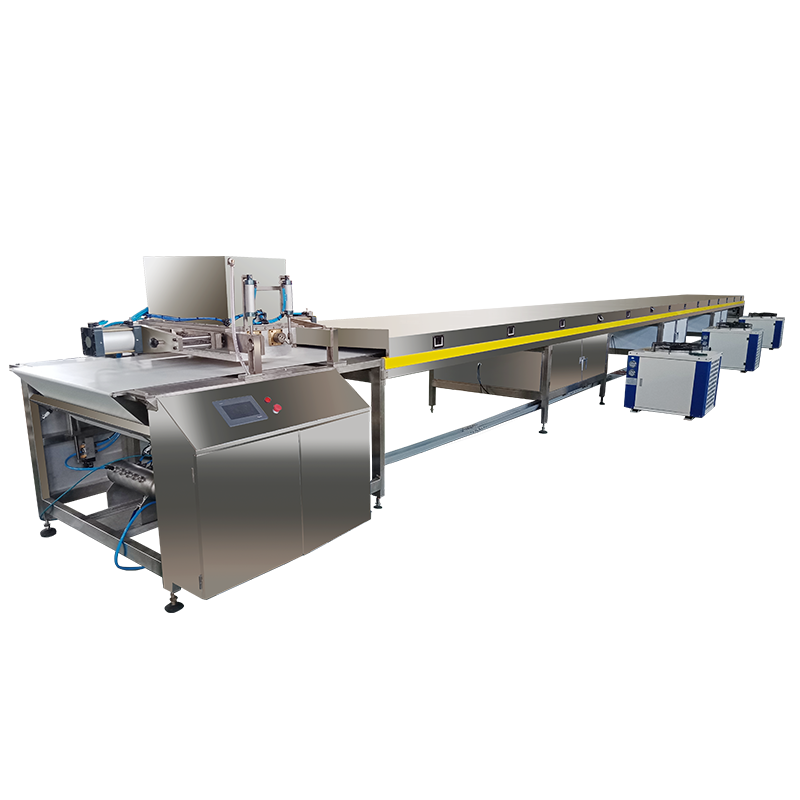
After tempering, chocolate is shaped into chips using specialized molding machines or depositor systems.
Depositing Machines
Chocolate manufacturing machines use depositing nozzles to drop uniform-sized chocolate drops onto conveyor belts or molds. Cooling tunnels rapidly solidify the chips, preserving their shape and surface quality.
Cooling and Packaging
Controlled cooling systems reduce the temperature of chocolate chips gradually, preventing cracking or surface defects. Once cooled, automated packaging machines ensure consistent weight, hygiene, and protection from moisture.
Step 5: Quality Control and Testing
Quality control is integral to chocolate chip production. Advanced factories implement inline and offline tests to maintain standards.
Physical and Sensory Analysis
Parameters such as size uniformity, gloss, snap, and flavor profile are evaluated. Machines can measure chip dimensions within ±1 mm tolerance, while trained technicians assess taste and aroma consistency.
Microbiological Safety
Chocolate chips must meet stringent food safety standards. Regular microbial testing ensures that chips are free from contaminants, making them suitable for baking and confectionery applications.
Step 6: Factors Affecting Chocolate Chip Quality
Several production variables influence the final quality of chocolate chips:
- Cocoa bean origin and quality
- Roasting temperature and duration
- Refining and particle size control
- Tempering precision
- Cooling rates and environmental humidity
Addressing these factors using machines making chocolate and optimized production lines ensures a consistent, high-quality product suitable for industrial and home use.
Step 7: Automation in Modern Chocolate Production
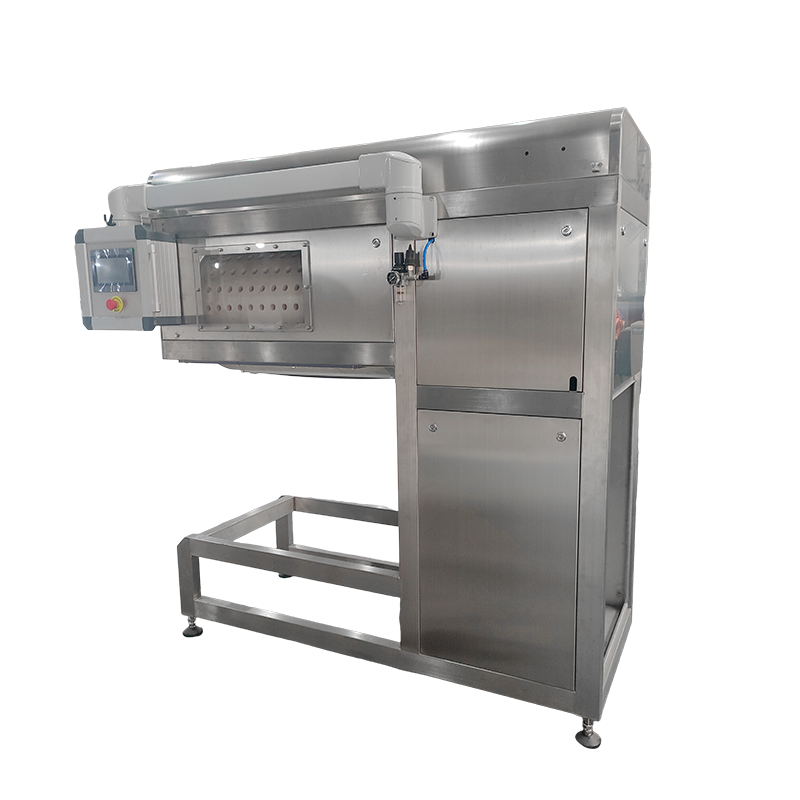
Automation is increasingly adopted in chocolate chip production to enhance efficiency, reduce labor costs, and maintain quality. Modern chocolate manufacturing machines integrate:
- Automated bean cleaning and sorting
- Precision grinding and conching
- Tempering and molding
- Cooling and packaging
- Real-time quality monitoring and feedback
By connecting these processes, factories can produce thousands of uniform chocolate chips per hour while maintaining consistent taste and texture.
Conclusion
The production of chocolate chips is a meticulous process that relies heavily on specialized chocolate bean production line equipment and machines making chocolate. Each stage, from bean selection to packaging, requires precise control over temperature, particle size, and moisture to ensure a high-quality product.
Understanding these processes allows manufacturers to consistently deliver chocolate chips with desirable flavor, texture, and visual appeal, meeting both industrial and consumer standards.
FAQ
Q1: What machines are essential for chocolate chip production?
Key machines include cocoa bean roasters, grinders, refiners, conching machines, tempering machines, depositing or molding systems, cooling tunnels, and automated packaging equipment.
Q2: How does conching affect chocolate chip quality?
Conching enhances flavor and texture by reducing acidity and smoothing chocolate particles. It is essential for achieving consistent mouthfeel in chocolate chips.
Q3: Why is tempering necessary for chocolate chips?
Tempering stabilizes cocoa butter crystals, preventing bloom, ensuring proper snap, and maintaining shape during baking and storage.
Q4: Can chocolate chips be made without automated machines?
While artisanal production is possible manually, industrial-scale consistency, efficiency, and quality control require automated chocolate manufacturing machines.
Q5: How does bean origin affect the final chocolate chip?
Origin impacts flavor notes, acidity, and aroma. Premium beans produce richer chocolate chips with more complex taste profiles.