

 English
  Français
  عربى
عربى What Makes a Chocolate Tempering Machine the Real Driver of Gloss, Snap, and Shelf Life
Content
- 1 Why Crystallization Control Defines Chocolate Quality
- 2 The Science Behind Cocoa Butter Crystallization
- 3 Core Components of an Automatic Tempering System
- 4 Comparing Compact and Mid-Volume Tempering Machines
- 5 How to Match Machine Capacity to Production Scale
- 6 Maintenance, Hygiene, and Operational Best Practices
- 7 Throughput and Efficiency Benchmarks
- 8 Frequently Asked Questions
Why Crystallization Control Defines Chocolate Quality
Glossy surface, clean snap, and a shelf life measured in months rather than weeks all trace back to one hidden variable: how cocoa butter crystals form as chocolate cools. A properly tempered batch locks fat molecules into a stable, tightly packed structure. An untempered batch cools into a loose, uneven mix of crystal types that turns dull, streaky, and soft within days. This is the reason a dependable chocolate tempering machine sits at the center of almost every serious confectionery line, from small bean-to-bar workshops to mid-size industrial kitchens.
Manual tempering on a marble slab still works for artisans producing a few kilograms a day, but it depends heavily on operator skill and ambient temperature, which rarely stays constant on a factory floor. Automated tempering equipment removes that variability by holding melt, cooling, and reheating stages within tight tolerances, batch after batch. The result is repeatable gloss, consistent contraction for easy mold release, and a texture that survives packaging, shipping, and months on a retail shelf without blooming.
Producers who scale past hobbyist volumes typically discover that inconsistent tempering, not recipe formulation, is the leading cause of returned stock. A machine that can hold a narrow working temperature band while continuously stirring the mass addresses this directly, which is why demand for reliable tempering machinery has grown alongside the broader rise in premium and single-origin chocolate production.
The economics of quality control also favor automation over manual technique once a business moves beyond a single storefront. A skilled chocolatier working by hand can produce excellent results in small volumes, but that skill does not scale linearly with headcount. Training additional staff to read visual cues on a marble slab takes months, while a controller-driven machine reproduces the same curve regardless of who loads the batch. This shift from craft technique to process control is one of the quieter drivers behind the wider adoption of automated tempering across mid-size confectionery operations, since it converts a skill-dependent step into a repeatable, documentable one that fits within standard food safety and quality assurance frameworks.
Beyond gloss and snap, proper crystallization also affects how chocolate behaves during downstream processing. Correctly tempered mass releases cleanly from molds due to predictable contraction as it cools, reduces sticking during enrobing, and holds its shape better during transport in warm climates. Each of these outcomes traces back to the same underlying crystal structure, which is why equipment selection deserves as much attention as recipe development when a production line is being planned or expanded. Treating tempering as a core process step, rather than an afterthought bolted onto the end of a recipe, tends to pay off in fewer rejected batches down the line.
The Science Behind Cocoa Butter Crystallization
Cocoa butter can solidify into several distinct crystal forms, but only one produces the firm snap and glossy finish consumers associate with quality chocolate. The others tend to be soft, dull, or unstable, and they gradually convert into the coarse crystal structure responsible for the pale, powdery bloom seen on old or poorly stored bars. Tempering is the controlled process of melting out all crystal types, then cooling the mass while continuously agitating it so that only the stable form seeds throughout the batch.
The process moves through three broad phases: full melting to erase any existing crystal memory, controlled cooling to a point where stable and unstable crystals begin forming together, and gentle reheating to melt away the unwanted unstable fraction while leaving the stable network intact. Agitation matters as much as temperature, since it distributes seed crystals evenly and prevents localized overcooling near the tank walls.
Typical Temperature Profile During a Tempering Cycle
Small variations in this curve change the outcome noticeably. Cooling too fast produces a mass of unstable crystals with no time to convert to the stable form, while cooling too slowly wastes production time and risks thickening the batch before molding. This is why industrial equipment relies on jacketed tanks with circulating temperature-controlled water or oil rather than open-air cooling, giving operators a repeatable curve instead of a rough approximation.
Fat content, moisture level, and particle size from earlier refining stages also influence how forgiving a batch is during the tempering stage overall. A finer particle distribution generally produces smoother texture and slightly easier crystal seeding, since more surface area is available for stable crystals to propagate through the mass. Coarser or higher-fat blends can be more sensitive to cooling rate, which is one reason experienced operators adjust programmed curves slightly when switching between formulations rather than relying on a single generic setting for every recipe.
Seeding technique deserves particular attention as well. Some operators introduce a small amount of already-tempered chocolate or specialized seed crystals directly into the cooling mass to accelerate stable crystal formation, shortening the overall cycle. Automated machines that support this approach through a dedicated seeding port can cut cycle time meaningfully compared with relying on cooling and agitation alone, which matters most for lines running multiple batches per shift.
Core Components of an Automatic Tempering System
Modern tempering machinery combines several subsystems working in sequence rather than a single cooling unit. Understanding each part helps buyers evaluate specifications beyond the headline capacity number.
- Jacketed melting and holding tank with independent temperature zones
- Continuous or intermittent auger and scraper agitation to prevent crystal buildup on walls
- Circulating cooling and heating fluid system for precise curve control
- Digital controller with programmable recipes for different cocoa butter formulations
- Discharge pump or valve sized to the downstream molding or enrobing line
Automatic Tempering Process Flow
Controllers that store multiple recipes are particularly valuable for producers switching between milk, dark, and white formulations, since each fat blend crystallizes on a slightly different curve. Machines that lack recipe memory force operators to reset parameters manually for every batch change, which increases the chance of human error during shift transitions.
Sensor placement is another detail worth checking before purchase. Temperature probes mounted only at the tank wall can lag behind the true temperature of the center mass, especially in larger tanks, leading a controller to believe the target has been reached before it actually has throughout the batch. Equipment with multiple sensor points, or with a probe positioned closer to the geometric center of the working volume, tends to deliver more consistent results across different batch sizes.
Drive systems for the agitation mechanism also vary in ways that affect long-term reliability. Variable-speed drives allow operators to slow agitation during the delicate seeding phase and speed it up during initial melting, reducing mechanical stress on gears and bearings compared with a single fixed speed. Over years of continuous operation, this flexibility tends to extend service intervals and reduce unplanned downtime, which matters more to total cost of ownership than the sticker price of the machine itself.
Comparing Compact and Mid-Volume Tempering Machines
Two common configurations illustrate how tempering equipment scales with production needs: a compact continuous tempering unit built for steady mid-volume output, and a smaller bench-style machine designed for bean-to-bar workshops and product development. Neither configuration is inherently better than the other; the right choice depends on batch frequency, available floor space, and how often a facility needs to switch between formulations during a single working day.
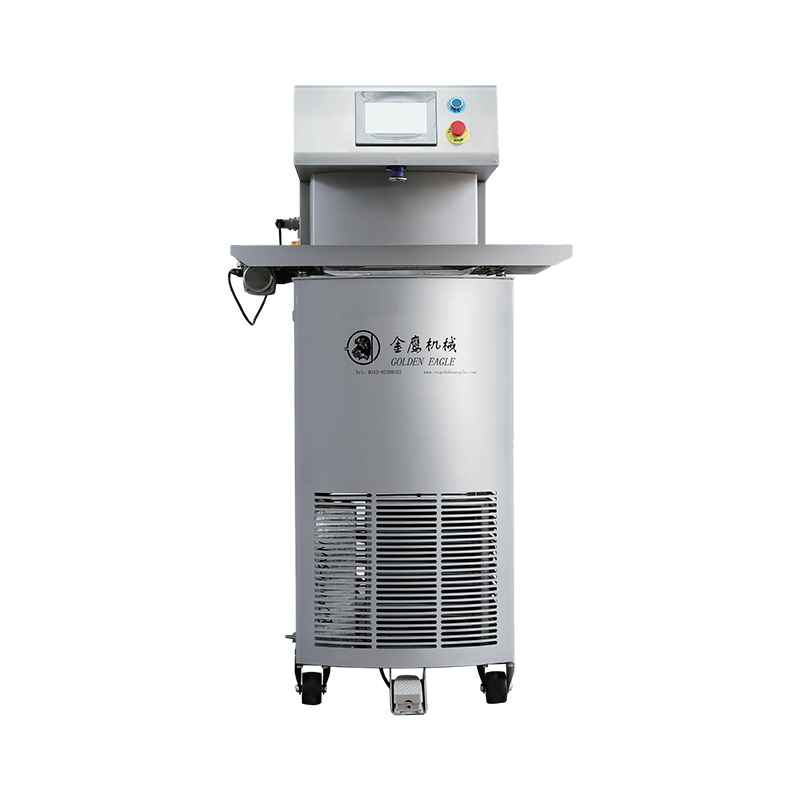
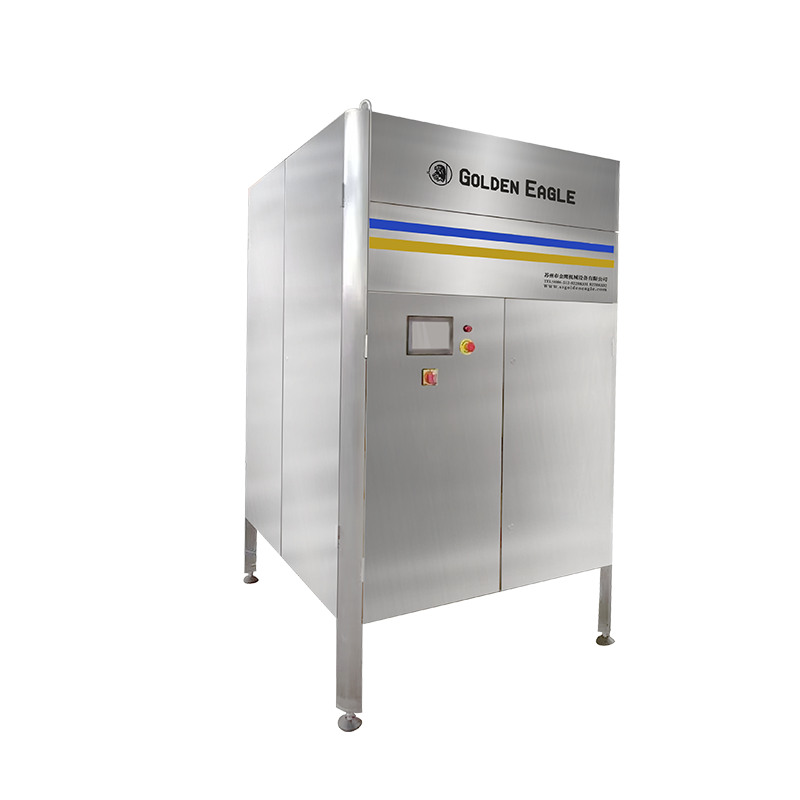
The QTJ25 60 Chocolate Tempering Machine is built around a mid-size jacketed tank suited to continuous runs where throughput and consistency matter more than flexibility between recipes. Its wider tank geometry and dedicated cooling circuit help it hold a stable working temperature across longer production shifts.
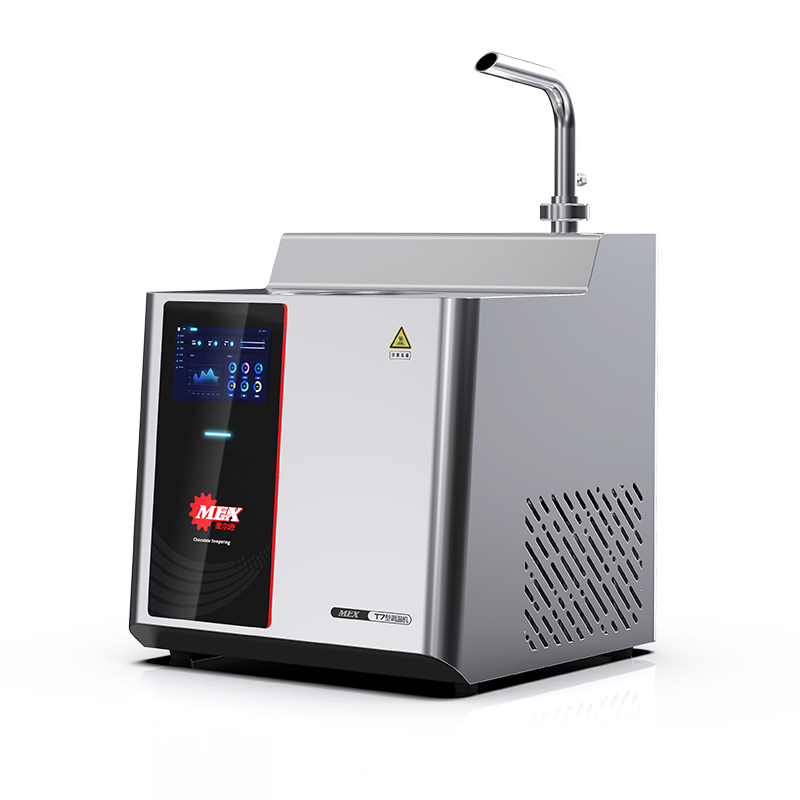
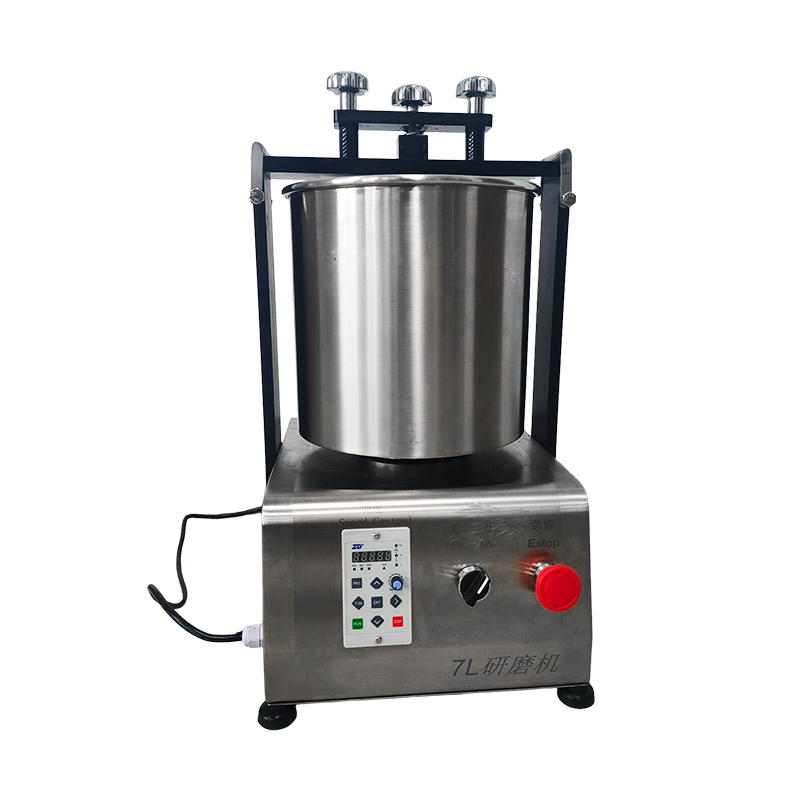
By contrast, the T7 Chocolate Tempering Machine targets smaller batches and frequent recipe changes, making it a practical fit for test kitchens, boutique producers, and bean-to-bar operations that value flexibility over raw output.
| Attribute | Compact Continuous Unit | Bench-Style Unit |
|---|---|---|
| Typical batch focus | Continuous mid-volume runs | Small flexible batches |
| Recipe switching | Less frequent | Frequent |
| Footprint | Larger | Compact |
| Best fit | Steady production lines | Workshops and R&D |
Relative Comparison Across Key Factors
How to Match Machine Capacity to Production Scale
Selecting the right tempering equipment starts with realistic daily output targets rather than the largest tank a budget allows. Oversized equipment left running below capacity struggles to hold a stable temperature curve, since thin layers of mass in a large tank cool unevenly.
Common Capacity Tiers for Tempering Equipment
A practical rule is to size equipment for average daily demand plus a moderate buffer for peak seasons, then plan for a second unit once volume consistently exceeds roughly seventy percent of a single machine's rated capacity. Running near maximum capacity for extended periods accelerates wear on agitation motors and cooling pumps, while running consistently under thirty percent capacity wastes energy on heating and cooling a mostly empty tank.
Buyers should also weigh how often the recipe changes. Lines producing a single formulation around the clock benefit from larger continuous tanks, while operations rotating between milk, dark, white, and specialty blends often do better with two smaller units that can each hold a dedicated recipe without cross-contamination or lengthy cleaning cycles between changeovers.
Floor space and utility availability are practical constraints that often get overlooked during early planning. Larger continuous units require adequate clearance for cleaning access, a stable electrical supply matched to their heating elements, and in many cases a chilled water connection for the cooling circuit. Smaller bench-style machines are more forgiving on these points, which makes them attractive for facilities converting existing kitchen space rather than building a dedicated production room from scratch.
It is also worth planning for seasonal demand swings common in the confectionery trade, where output can multiply several times over around major holidays. Rather than sizing a single machine for peak demand year-round, many producers keep a core unit sized for average monthly volume and supplement it with rented or secondary equipment during the busiest weeks, avoiding the cost of an oversized machine sitting underused for most of the year.
Maintenance, Hygiene, and Operational Best Practices
Tempering equipment runs in direct contact with a food product, so cleaning protocols matter as much as mechanical upkeep. Residual cocoa butter left in scraper blades or tank corners can seed unwanted crystal forms into the next batch, undermining even a well-calibrated temperature curve.
| Task | Frequency | Purpose |
|---|---|---|
| Scraper and auger inspection | Daily | Prevent crystal buildup on walls |
| Full tank cleandown | Weekly or per recipe change | Avoid cross-contamination |
| Cooling circuit fluid check | Monthly | Maintain accurate temperature curve |
| Controller calibration | Quarterly | Keep sensor readings accurate |
Operators should also log ambient workshop temperature and humidity alongside batch records. Cocoa butter is sensitive to environmental moisture, and a spike in workshop humidity can affect gloss and contraction even when the machine's internal parameters stay constant. Pairing equipment logs with environmental data makes troubleshooting quality issues considerably faster.
Preventive maintenance schedules should extend beyond the tank itself to the discharge pump and any downstream piping. Cocoa butter that cools and solidifies inside narrow discharge lines can partially block flow, causing pressure buildup that strains the pump motor over time. Flushing lines promptly after each production run, rather than leaving residual product to cool in place overnight, is a simple habit that meaningfully reduces pump-related service calls.
Staff training deserves equal weight alongside mechanical upkeep. Even a well-maintained machine produces poor results if operators do not understand why each stage of the cycle matters, since minor shortcuts such as skipping the full melt phase between recipe changes can carry unstable crystal seeds forward into the next batch. Documented startup and shutdown procedures, reviewed periodically with the team, help new staff reach full competency faster and reduce variation between shifts. Pairing these procedures with a simple checklist posted near the machine, rather than relying purely on memory, tends to reduce inconsistent handling between different shift teams.
Throughput and Efficiency Benchmarks
Efficiency in tempering is usually measured by how much stable output a machine produces per hour relative to its energy draw, not by raw tank size alone. Well-designed jacketed systems with efficient heat exchange recover from reheating cycles faster, shortening the time between batches.
Relative Throughput by Equipment Class (kg per hour)
These figures are representative ranges rather than fixed values, since real output depends on formulation, ambient conditions, and how tightly the reheating stage is tuned. Producers tracking actual throughput against these benchmarks over several months can identify whether underperformance stems from equipment limitations or from process factors like slow discharge or excessive idle time between batches.
Energy consumption is another factor worth tracking alongside throughput, particularly for continuous lines running multiple shifts. Machines with well-insulated tanks and efficient heat exchangers require less energy to hold the working temperature between batches, which lowers operating cost over the equipment's service life even when the upfront price is comparable to a less efficient alternative. Reviewing energy draw during evaluation, not just at the point of purchase, gives a more accurate picture of long-term value.
Downtime between batches also affects effective throughput more than many buyers expect. A machine rated for a given hourly output only reaches that figure if cleaning, recipe switching, and discharge steps are streamlined. Facilities that map out their full batch cycle, including non-production minutes, often find that modest process changes such as staggered cleaning schedules recover more capacity than upgrading to a larger tank would.
Frequently Asked Questions
Q1: How long does a typical tempering cycle take?
Most cycles run between twenty and forty-five minutes depending on batch size, starting temperature, and how quickly the cooling circuit can bring the mass down to the seeding range before reheating to the working temperature.
Q2: Can one machine handle milk, dark, and white chocolate?
Yes, provided the controller supports multiple stored recipes, since each formulation has a slightly different fat content and therefore a different optimal cooling and working temperature range.
Q3: What causes bloom even after proper tempering?
Bloom after correct tempering usually points to storage issues such as temperature fluctuation during transport or humidity exposure, rather than a fault in the original crystallization process. Keeping finished stock within a narrow, stable temperature range from the moment it leaves the tempering line through final storage goes a long way toward preventing this.
Q4: How often should the cooling fluid be checked?
Monthly checks are typical for most operations, though lines running near-continuous shifts benefit from more frequent inspection since fluid degradation directly affects how accurately the machine follows its programmed temperature curve.
Q5: Is a bench-style unit suitable for scaling up later?
A bench-style unit works well for development and small-batch runs, but producers planning significant volume growth typically transition to a larger continuous system rather than running several bench units in parallel, since parallel operation multiplies cleaning and calibration workload.
Choosing between these paths ultimately comes down to how a business expects demand to evolve over the next few years. A gradual, steady growth curve favors starting with a flexible bench unit and adding a continuous line once volume justifies it, while businesses entering an established wholesale contract from the outset often find it more efficient to invest directly in continuous equipment sized for that committed demand.