

 English
  Français
  عربى
عربى Chocolate Mixer Machine Buying Guide: Types, Specs & Selection | Golden Eagle
Content
- 1 What a Chocolate Mixer Machine Does in Real Production
- 2 Key Specifications to Evaluate Before Buying a Chocolate Mixer Machine
- 3 Matching the Machine to Your Production Scenario
- 4 Common Purchase Risks and How to Avoid Them
- 5 What to Verify When Choosing a Chocolate Mixer Machine Manufacturer
- 6 Frequently Asked Questions About Chocolate Mixer Machines
Investing in a chocolate mixer machine without first defining your target fineness, batch size, and temperature range is the most common reason for equipment regret. Plant owners often focus on price, but the real risk is buying a machine that cannot produce the chocolate mass texture their customers expect. The basic rule is simple: choose the machine type and capacity that match your recipe, your daily output, and your available floor space. Everything else is a check against those three numbers.
Start with the three numbers that matter most: target fineness in microns, batch weight in kilograms, and weekday production hours. Then work through a manufacturer’s specification sheet against those numbers.
What a Chocolate Mixer Machine Does in Real Production
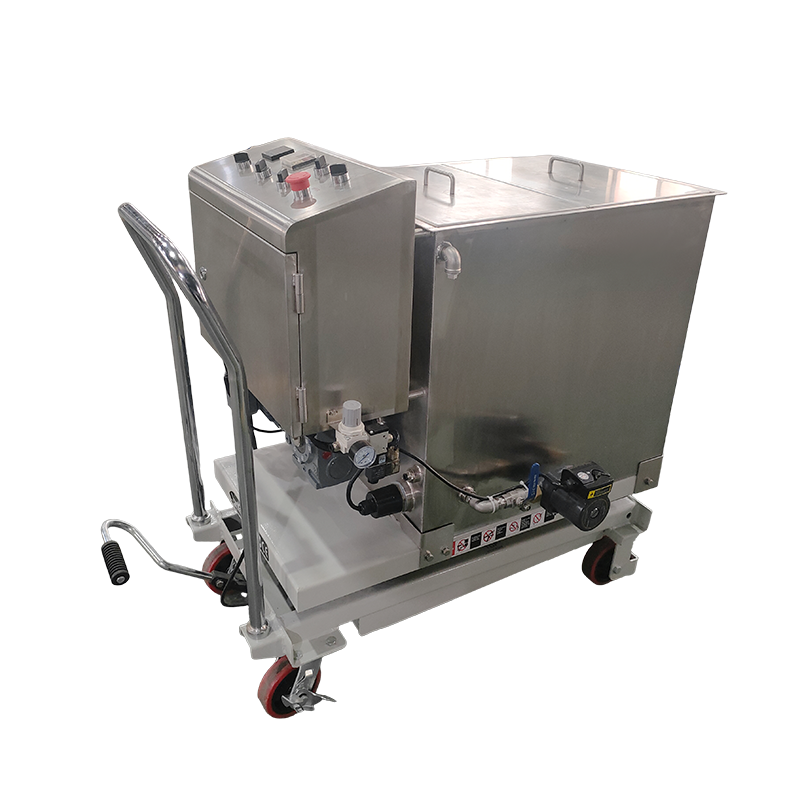
Chocolate mixer machine is an umbrella term that covers several different types of equipment. In practice, a chocolate plant needs at least one of three devices: a conche refiner, a ball mill, or a holding tank with an agitator. Each performs a distinct job, and the distinction matters for equipment selection.
Chocolate Conche Refiner (QYJ Series)
The conche is the heart of a chocolate production line. A machine like the QYJ series combines grinding and mixing in one unit. Heavy blades move through the chocolate mass over several hours, reducing particle size and developing the final flavor. This process is called conching, and the result is the smooth texture and rounded taste that customers expect from good chocolate.
Chocolate Ball Mill
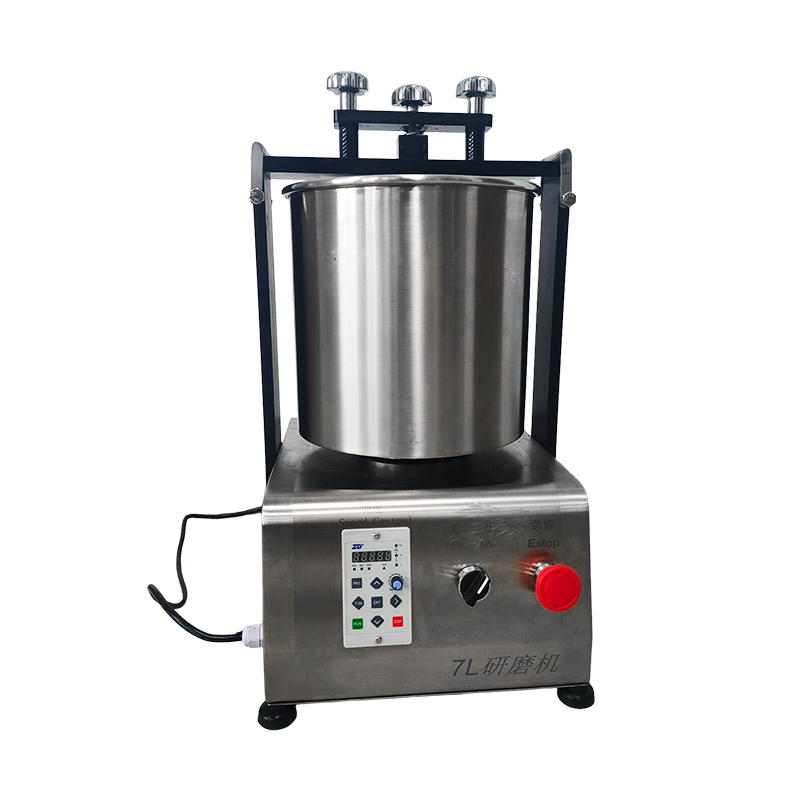
A chocolate ball mill is a complementary option when recipes change frequently. It uses steel balls to crush and homogenize the chocolate mass, and it can adapt more easily to smaller batches and varied formulas. Ball mills are especially useful when a plant produces a wide range of chocolate types or specialty pastes.
| Feature | Conche Refiner | Ball Mill |
|---|---|---|
| Fineness | 20 to 25 microns | 20 to 30 microns |
| Batch size | 100 to 3,000 kg | 50 to 1,000 kg |
| Flavor development | Excellent | Moderate |
| Best for | Large standardized production | Frequent recipe changes |
Key Specifications to Evaluate Before Buying a Chocolate Mixer Machine
Once you have decided on the type of machine, its specification sheet should be checked against a few key parameters. The most important ones are Capacity Fineness Temperature Control and Build Quality.
Capacity and Batch Size
Capacity is usually the first filter. A simple calculation: if your plant needs 500 kg of finished chocolate per day and a conching cycle takes about 8 hours, you need a machine that can handle 500 kg per batch. If you run two shifts, you can choose a smaller machine. Production schedules are the deciding factor, so calculate the daily requirement first and then add a safety margin of about 20 percent.
Fineness and Particle Size
Fineness is measured in microns. Standard chocolate mass has a fineness of around 25 microns, while premium chocolate often goes below 20. The test uses a grindometer, which records the highest point of particle agglomerates. If a manufacturer cannot state the required time to reach a given fineness, the machine will be difficult to validate in your own quality lab.
Temperature Control
Chocolate mass temperature affects both viscosity and final quality. A jacketed design with good heating and cooling capability is essential. The conching temperature commonly stays between 45°C and 60°C, depending on the recipe. Temperatures that are too high can cause fat migration and loss of flavor. Too low a temperature results in a grainy paste and thickening in the holding tank.
Construction Material and Cleanability
Food contact parts must be made of stainless steel. The interior should be smooth, with no dead zones where chocolate can accumulate. A chocolate mixer machine that is difficult to clean quickly will add downtime between batches and increase the risk of contamination. This is particularly important for plants that produce both dark and milk chocolate recipes.
Matching the Machine to Your Production Scenario
The best chocolate mixer machine for your plant is the one that fits your production reality. The choice between a conche and a ball mill depends on batch size, recipe changeover frequency, and line configuration.
Small Batch and Artisan Producers
Small batch producers often face different realities than industrial factories. They have more recipe changes, smaller batch sizes, and less floor space. A compact chocolate ball mill with mixing capability can be a practical fit, because it can refine small lots and adapt quickly between recipes. However, the machine must still be able to process the fat content of the specific recipes you produce.
Industrial Producers and Continuous Lines
Industrial operations usually prioritize consistency and throughput. A chocolate conche refiner, especially one like the QYJ series, is designed as a complete set. It can be connected to holding tanks, chocolate pumps, enrobing lines, and moulding machines. In this context, the mixer is one stage in a complete chocolate production line. The choice of mixer must support the line speed and the total daily capacity of the plant.
Common Purchase Risks and How to Avoid Them
Buying a chocolate mixer machine is usually a long-term investment. The most common mistakes are related to capacity, temperature control, and after-sales service.
Capacity Mismatch
Buying a larger machine than you need wastes energy, floor space, and capital. Buying too small a machine forces overtime and creates production bottlenecks. The safest approach is to compare every machine’s rated capacity against your peak production requirement, not just your average output.
Weak Temperature Control
Inexpensive machines sometimes have simple jackets that cannot hold a steady temperature. The result is inconsistent chocolate, clogged pipes, or fat bloom on the final product. A practical test is to run the machine with a real recipe, not with water. Check whether the mass temperature stays stable during the full cycle.
Poor After-Sales Service
A chocolate mixer machine should run for at least 10 years. Ask about spare parts availability, the lead time for a pump or scraper, and whether the manufacturer can send a technician to your site. If the manufacturer does not provide clear after-sales terms, that is a significant risk.
What to Verify When Choosing a Chocolate Mixer Machine Manufacturer
Choosing the right manufacturer is just as important as choosing the right machine. A good manufacturer should combine technical experience with actual production capability.
Factory and Production Capability
The best way to verify a manufacturer is to audit the factory. Look for a company that has been in the chocolate equipment industry for decades, has a full production range, and can show you its actual manufacturing line. Suzhou Golden Eagle Machinery, for example, has been producing chocolate equipment for nearly 30 years, with the QYJ series chocolate conche refiner as its core product.
Certifications and Export Track Record
International sales are a reliable quality signal. A manufacturer that exports to Europe, North America, Australia, and the Middle East has to comply with different safety and hygiene standards. Check for CE certification and ISO 9001 quality management. These certifications are not a substitute for a technical test, but they greatly reduce the risk of buying equipment that does not meet food safety requirements.
Frequently Asked Questions About Chocolate Mixer Machines
Q1: How long does conching take in a chocolate mixer machine?
Conching time varies by recipe, particle size target, and fat content. In many cases, the cycle runs between 6 and 10 hours for a typical conche refiner. Some recipes require an additional holding time in the tank for flavor development.
Q2: What is the minimum fineness a chocolate mixer machine can achieve?
Standard chocolate mass reaches a fineness of about 25 microns. Premium chocolate can go below 20 microns. The actual minimum depends on the machine design, the grinding media or blades, and the recipe composition.
Q3: Can one chocolate mixer machine handle both dark and milk chocolate?
Yes, but the machine must be cleanable and should have reliable temperature control. Dark chocolate typically has a lower fat content than milk chocolate, so the machine needs enough flexibility to handle both. A smooth interior and easy access for cleaning are essential.
Q4: How much space does a chocolate mixer machine need?
This depends on the capacity. A small ball mill for artisan production may need only a few square meters. An industrial conche refiner with a 2,000 kg batch capacity, together with its holding tank and pump, can occupy a substantial area of the production floor. Always verify the machine’s footprint with the manufacturer.
Choosing a chocolate mixer machine comes down to matching production reality with reliable engineering. Start with your target output, fineness, and temperature range. Then compare machine types and specification sheets against those numbers. A manufacturer with decades in chocolate equipment and a full production line behind it can help you bridge the gap between your recipe and the machine that can actually produce it. The right investment pays off in consistent quality and low downtime.