

 English
  Français
  عربى
عربى How Does an Automatic Chocolate Moulding Line Turn Cocoa Mass Into Market Ready Confections?
Content
- 1 Rethinking the Chocolate Production Workflow
- 2 Core Components Shared Across Moulding Lines
- 3 Inside the Q11 Automatic Chocolate Moulding Line
- 4 Precision Dosing With a Chocolate Depositor Machine
- 5 The Role of an Automatic Chocolate Tempering Machine
- 6 How a Chocolate Chips Line Handles High Volume Small Pieces
- 7 Chocolate Beans Production Line Design Considerations
- 8 Where a Chocolate Fountain Machine Fits Into the Picture
- 9 Comparing Equipment Categories at a Glance
- 10 Visualizing a Typical Moulding Line Workflow
- 11 Hygiene and Quality Control Practices
- 12 Choosing the Right Line for a Given Product Strategy
- 13 Frequently Asked Questions
- 13.0.1 Q1: What causes chocolate to develop a white, dusty surface after moulding?
- 13.0.2 Q2: How is a chocolate moulding line different from a depositor alone?
- 13.0.3 Q3: Can the same line produce both chips and bars?
- 13.0.4 Q4: Why do coated beans sometimes have inconsistent shell thickness?
- 13.0.5 Q5: Does a chocolate fountain machine require tempered chocolate?
Rethinking the Chocolate Production Workflow
Chocolate manufacturing has moved far beyond stovetop melting pots and hand-poured moulds. A modern factory floor depends on interconnected machinery that manages temperature, viscosity, dosing accuracy, and cooling time within tight tolerances. A single misstep in any of these variables can leave a batch with dull surfaces, uneven bloom, or inconsistent snap when broken.
This article looks at the practical engineering behind a chocolate manufacturing machine setup, with particular attention to moulding lines, depositor systems, tempering units, and the specialized lines used for chips and beans. The goal is to give plant engineers, procurement teams, and confectionery entrepreneurs a grounded technical reference rather than a marketing pitch.
Despite differences in final product shape, most chocolate moulding line setups share a common backbone of subsystems. Understanding each one helps when comparing equipment specifications.
- Melting and holding tank with jacketed heating for consistent liquid chocolate supply
- Tempering unit that conditions cocoa butter crystals before moulding
- Depositing head that meters precise volumes into cavities
- Vibration table to release trapped air bubbles
- Cooling tunnel with staged temperature zones
- Demoulding and conveying section feeding into packaging
Each stage interacts with the next. A tempering unit running slightly off target, for example, will produce chocolate that looks fine going into the mould but develops a chalky bloom on the shelf weeks later.
Inside the Q11 Automatic Chocolate Moulding Line
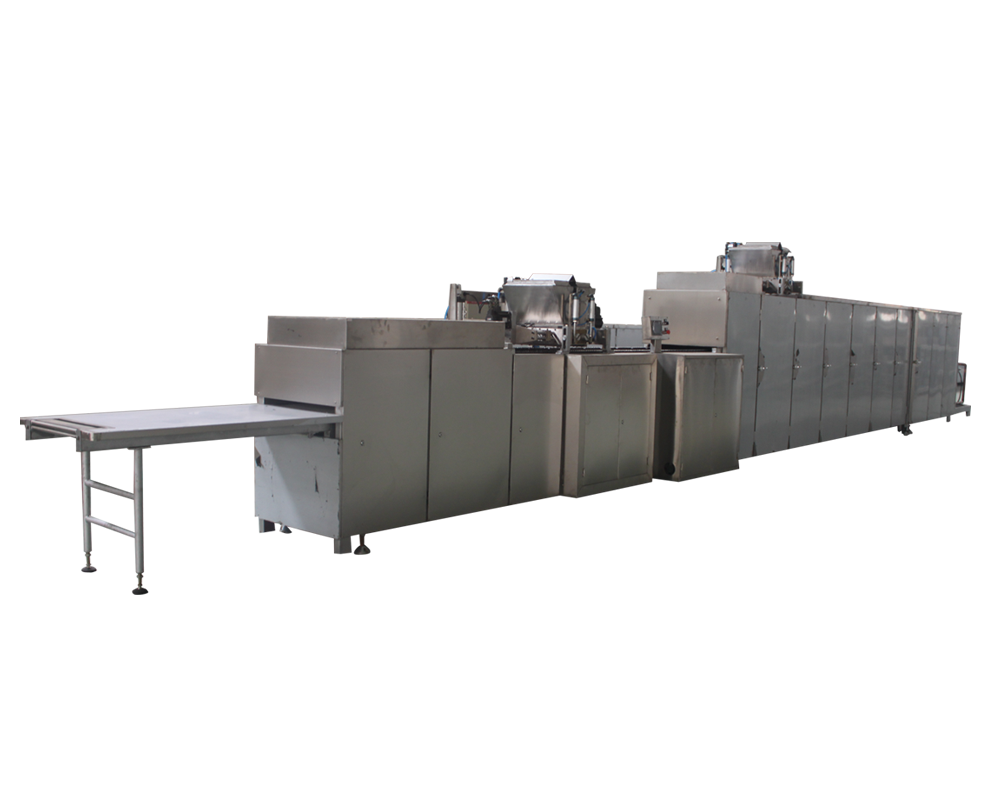
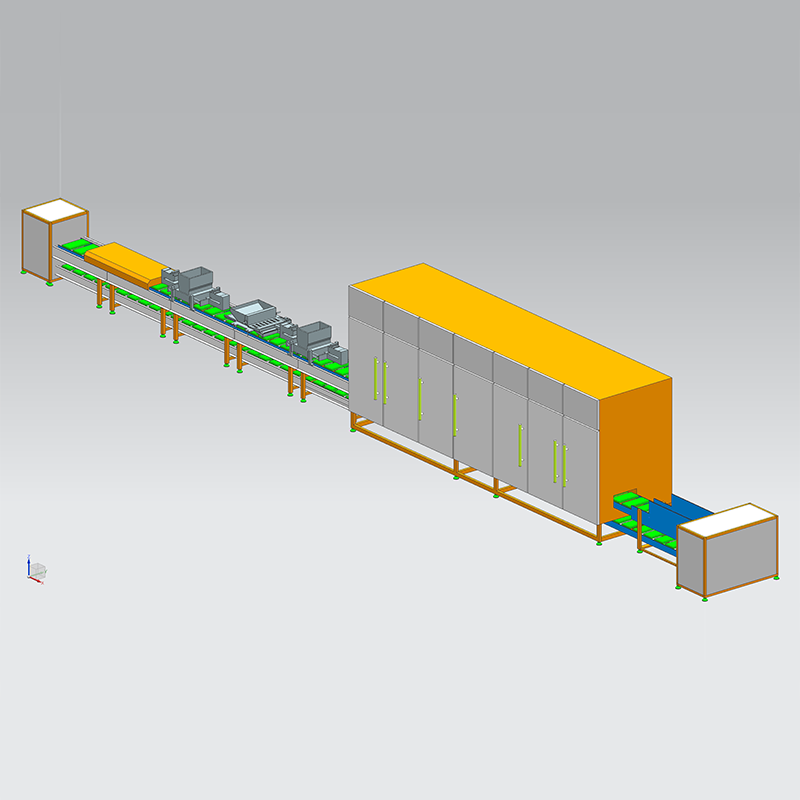
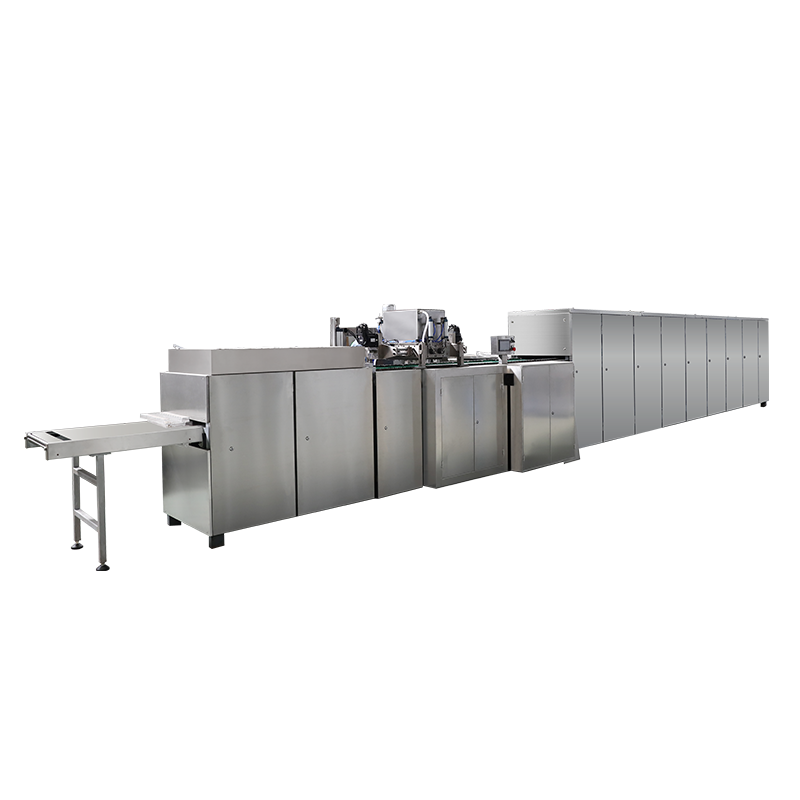
The Q11 Automatic Chocolate Moulding Line represents a category of equipment designed for continuous, multi-stage moulding rather than batch production. Instead of operators manually pouring chocolate into trays, the line synchronizes depositing, vibration, cooling, and demoulding into one automated cycle.
Why Cycle Synchronization Matters
If the cooling tunnel runs faster than the depositing head can fill moulds, bottlenecks form and product queues in the tunnel too long, over chilling the surface. If depositing outpaces cooling, bars exit the tunnel still soft in the center. A well tuned line keeps these stages balanced through adjustable conveyor speeds and zone-specific temperature control.
| Stage | Typical Function | Common Adjustment Range |
|---|---|---|
| Depositing | Fills mould cavities with tempered chocolate | Volume per shot, dosing speed |
| Vibration | Removes air pockets before cooling | Frequency and duration |
| Cooling Tunnel | Solidifies chocolate in stages | Zone temperature, belt speed |
| Demoulding | Releases finished pieces from moulds | Flex angle, release timing |
Lines built around this structure are commonly used for solid bars, filled shells, and shaped novelty pieces, since mould inserts can be swapped without redesigning the whole system.
Precision Dosing With a Chocolate Depositor Machine
The depositing stage is often where product consistency is won or lost. A chocolate depositor machine uses metered pistons or pumps to release a controlled volume of tempered chocolate into each cavity, and small variances here compound quickly across thousands of units per shift.
Factors Influencing Dosing Accuracy
- Viscosity consistency of the chocolate mass entering the depositor
- Nozzle wear and cleanliness affecting flow uniformity
- Piston or pump calibration drift over long production runs
- Ambient temperature fluctuations near the depositing head
Operators typically run periodic weight checks on sample pieces rather than relying solely on volumetric settings, since chocolate density shifts slightly with temperature and cocoa butter content.
The Role of an Automatic Chocolate Tempering Machine
Tempering is arguably the most technically demanding step in the entire process. An automatic chocolate tempering machine guides molten chocolate through a controlled cooling and reheating cycle so that cocoa butter forms stable crystal structures instead of a random mix of unstable ones.
Properly tempered chocolate has a glossy surface, a clean snap when broken, and resistance to fat bloom during storage. Poorly tempered chocolate may look acceptable on the day of production but develop a grey, streaky surface within days.
Common Tempering Adjustments
| Symptom | Likely Cause | Adjustment Direction |
|---|---|---|
| Dull, streaky finish | Insufficient agitation during cooling phase | Increase mixing time |
| Slow demoulding | Under crystallized mass | Extend cooling cycle slightly |
| Thick, sluggish flow | Over crystallized mass | Raise holding temperature marginally |
Because cocoa butter composition varies by supplier and recipe, tempering curves are rarely universal. Most facilities fine tune settings for each recipe rather than applying one fixed profile across the board.
How a Chocolate Chips Line Handles High Volume Small Pieces
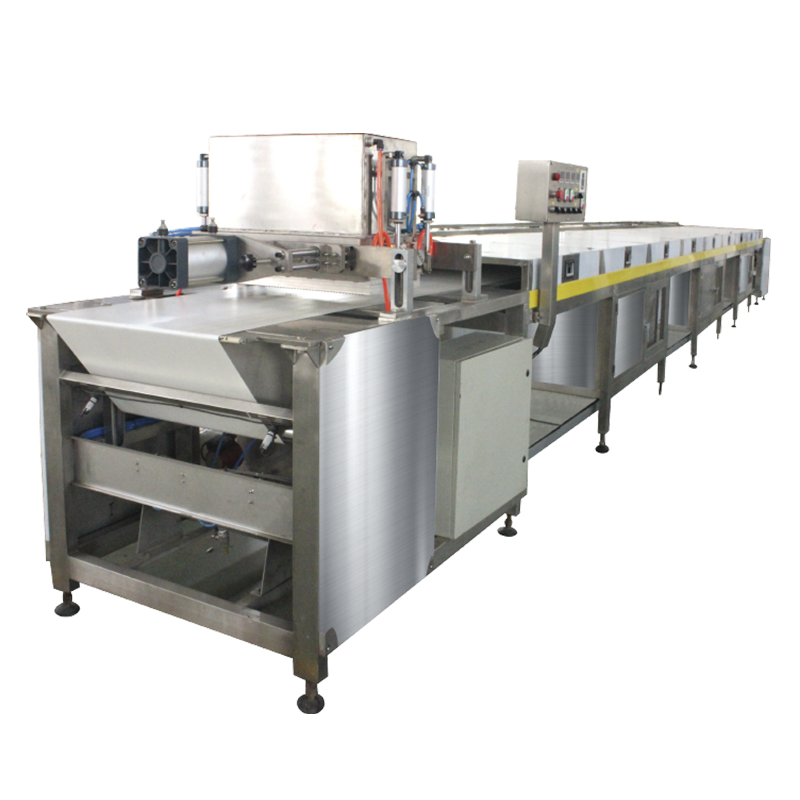
Unlike moulded bars, chips are typically drop formed or extruded directly onto a cooling belt without individual cavities. A Chocolate Chips Line is engineered around throughput and shape consistency at very high piece counts per minute.
Key Considerations for Chip Production
- Nozzle design determines chip shape, from classic drop points to flat wafer style pieces
- Belt speed and cooling airflow control chip firmness at the cutting or separation stage
- Recipe fat content affects how cleanly chips release from the forming belt
Because chips are frequently used as inclusions in baked goods, many lines are configured to withstand slightly higher melting points, helping the pieces retain shape when baked into cookies or bread rather than dissolving completely.
Chocolate Beans Production Line Design Considerations
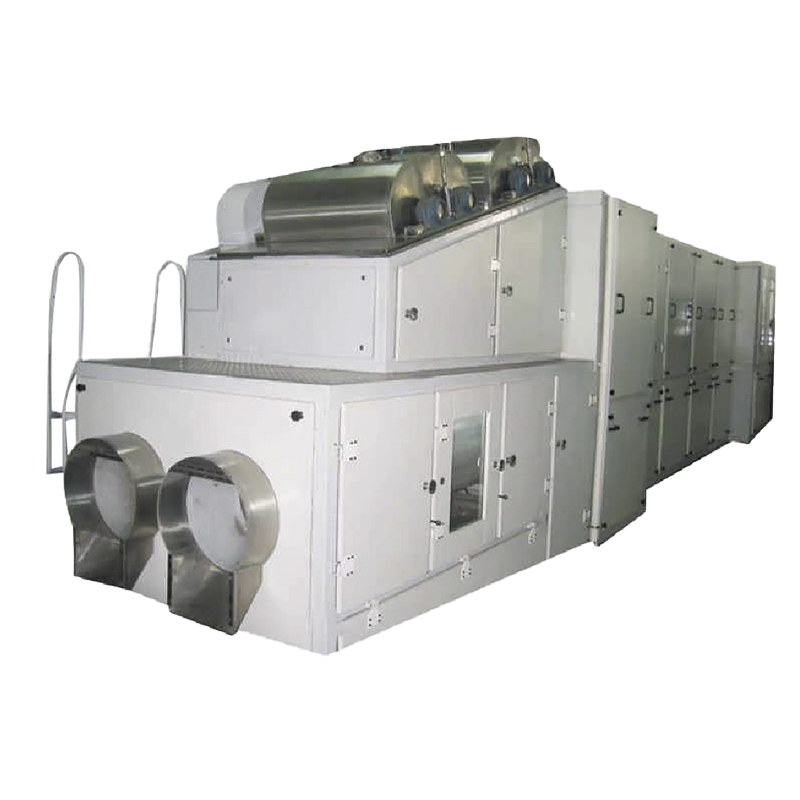
A Chocolate Beans Production Line is built for small, rounded or bean shaped pieces, often used as standalone snacks or as coating for nuts and dried fruit centers. These lines typically integrate a coating drum or enrober stage in addition to standard depositing and cooling.
Typical Process Flow
- Center feeding, if the beans contain a nut, fruit, or crisp core
- Coating pass through tempered chocolate
- Cooling tunnel to set the shell
- Polishing stage for shine, often using a light edible glaze
- Sorting and metal detection before packaging
Even coating thickness is a frequent challenge here, since uneven drum rotation speed can leave some beans with a thin shell and others overly coated, affecting both appearance and cost per unit.
Where a Chocolate Fountain Machine Fits Into the Picture
A chocolate fountain machine serves a very different purpose from the production lines above. Rather than manufacturing packaged product, it is designed for continuous display and dipping applications at events, hotels, and retail counters, keeping chocolate at a pourable temperature through a heated basin and circulating auger.
The tempering requirements are looser here than in a moulding line, since the chocolate is consumed immediately rather than stored, but consistent heat distribution still matters to prevent scorching at the base of the fountain.
Comparing Equipment Categories at a Glance
| Equipment Type | Primary Output | Core Process Focus |
|---|---|---|
| Q11 Automatic Chocolate Moulding Line | Bars, shells, novelty shapes | Depositing, cooling, demoulding |
| Chocolate Chips Line | Baking chips, inclusions | High speed drop forming |
| Chocolate Beans Production Line | Coated beans, panned confections | Coating and polishing |
| Chocolate Fountain Machine | Display and dipping service | Heat retention and circulation |
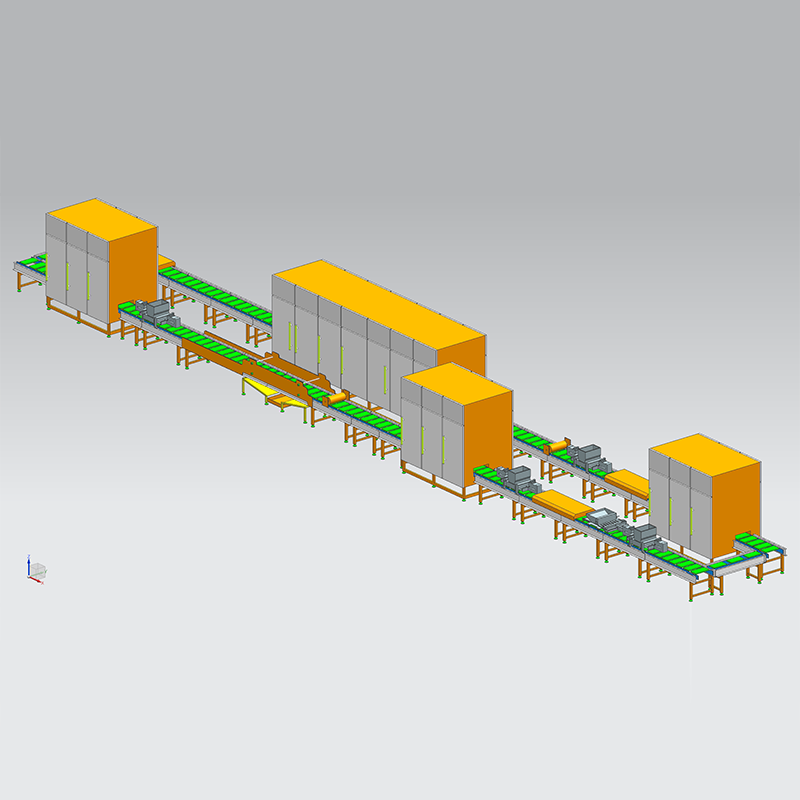
Visualizing a Typical Moulding Line Workflow
Each block in this flow represents a checkpoint where quality can be measured, from viscosity readings at the melting tank to weight sampling after demoulding.
Hygiene and Quality Control Practices
Chocolate lines run in food grade environments, and equipment design reflects that. Stainless steel contact surfaces, sealed bearings away from product zones, and clean in place systems reduce the risk of contamination between batches.
| Control Point | Common Method |
|---|---|
| Foreign object detection | Metal detector or X ray scanning before packing |
| Microbial control | Scheduled deep cleaning cycles between allergen changeovers |
| Weight consistency | Automated checkweigher sampling on the line |
| Visual defects | Camera vision systems flagging bloom or shape errors |
Choosing the Right Line for a Given Product Strategy
Selecting equipment is less about finding the most advanced machine on paper and more about matching capability to actual product mix and volume goals.
- Facilities producing varied bar shapes benefit from mould flexibility over raw speed
- Bakery ingredient suppliers prioritize throughput and shape consistency for chips
- Snack producers focused on coated beans need reliable drum coating uniformity
- Hospitality and event businesses need portability and heat retention rather than automation depth
Many facilities eventually operate more than one line type in parallel, since bar, chip, and bean products often serve different retail channels and margins.
Frequently Asked Questions
Q1: What causes chocolate to develop a white, dusty surface after moulding?
This is typically fat bloom, caused by unstable cocoa butter crystals forming during improper tempering or temperature fluctuation during storage.
Q2: How is a chocolate moulding line different from a depositor alone?
A depositor is one stage within a full moulding line. The line also includes tempering, cooling, and demoulding stages working together in a synchronized cycle.
Q3: Can the same line produce both chips and bars?
Generally not without significant reconfiguration, since chip lines rely on drop forming while bar lines depend on cavity moulds and vibration tables.
Q4: Why do coated beans sometimes have inconsistent shell thickness?
Uneven drum rotation speed or inconsistent chocolate viscosity during coating passes are the most common causes.
Q5: Does a chocolate fountain machine require tempered chocolate?
Light tempering helps texture and flow, but since the chocolate is consumed immediately rather than stored, the requirements are less strict than for moulded products.