

 English
 Français
 عربى
Chocolate Moulding Line vs Chocolate Depositing Line: Scope, Stations and Buying Criteria
Content
- 1 The Short Answer: the Depositor Fills, the Moulding Line Does Everything Else
- 2 Station by Station: What a Moulding Line Actually Contains
- 3 Where the Name "Depositing Line" Comes From, and Where It Stops
- 4 Match the Configuration to the Product, Not to the Label
- 5 The Numbers That Decide the Comparison
- 6 Why Two Quotes for "the Same" Line Differ So Widely
- 7 FAQ
- 8 Choosing Between the Two Names
Two quotations land on the same desk for what looks like the same job: a moulded chocolate line of roughly 500 kg/h, with tempering, a cooling tunnel and demoulding. One document is titled chocolate depositing line. The other says chocolate moulding line. The two scope lists do not match, and the price difference is wide enough to change the payback calculation.
That is the gap this comparison closes. A depositor is a station; a moulding line is a system. In everyday trade usage the two names frequently describe the same plant from two different angles, so the label on a quotation tells you almost nothing about what is actually included. What decides the outcome is where each supplier draws the boundary of the project.
The Short Answer: the Depositor Fills, the Moulding Line Does Everything Else
If you keep one structure in mind, keep this one:
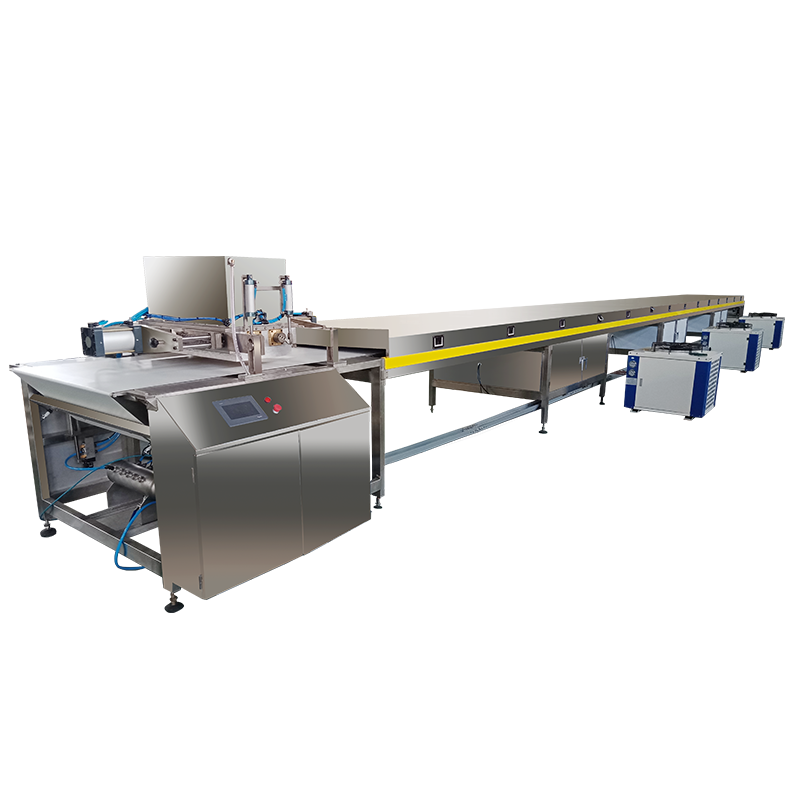
- Chocolate depositing line names the filling stage. It covers the hopper, the dosing pump or piston block, the nozzle plate or manifold, and the depositing plate that indexes over the mould cavities. Some contracts use this name for a plant that stops after depositing and vibrating.
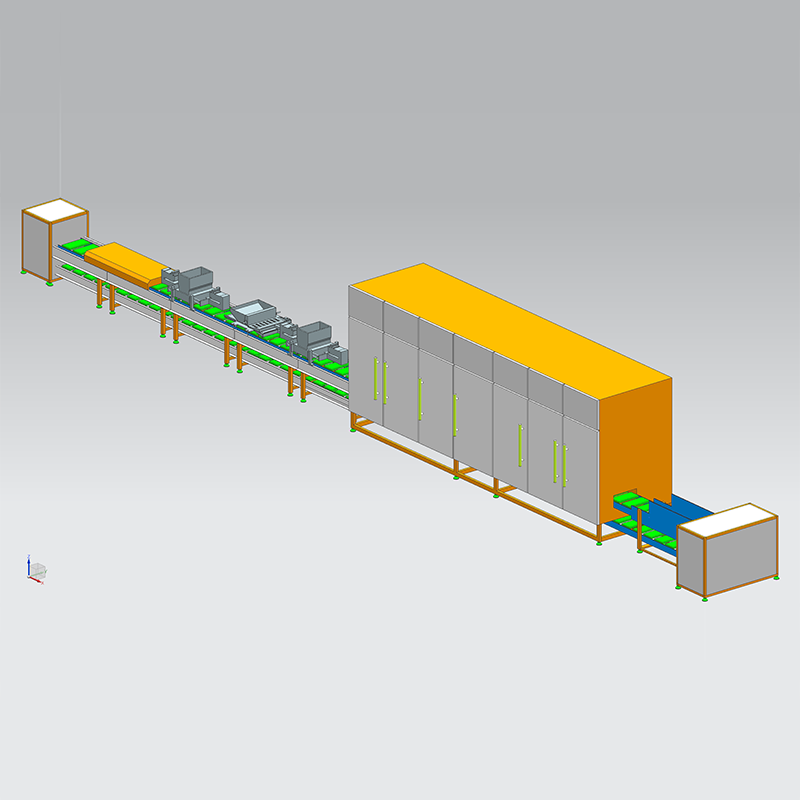
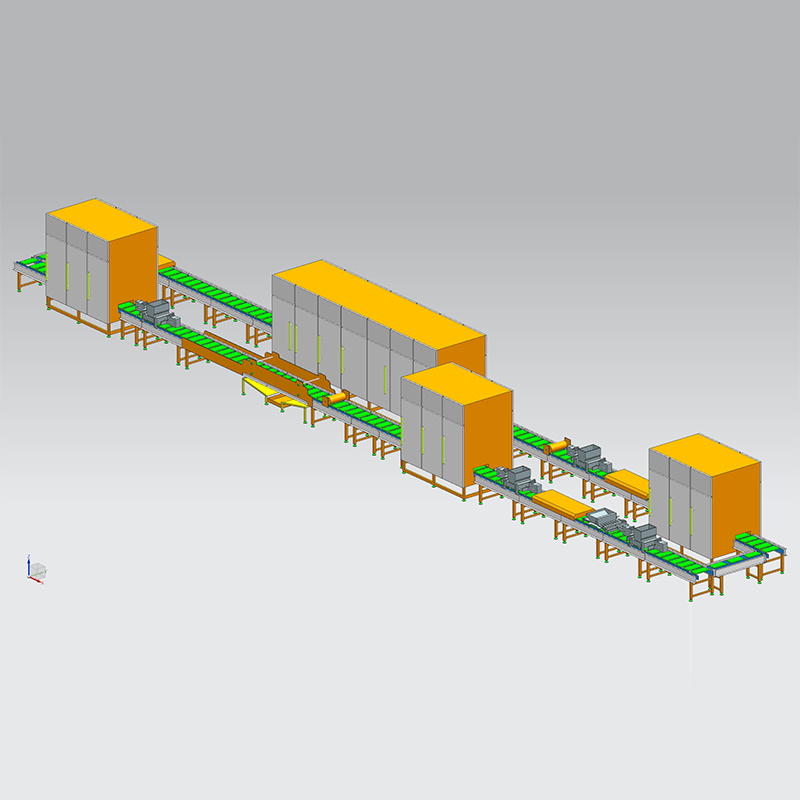
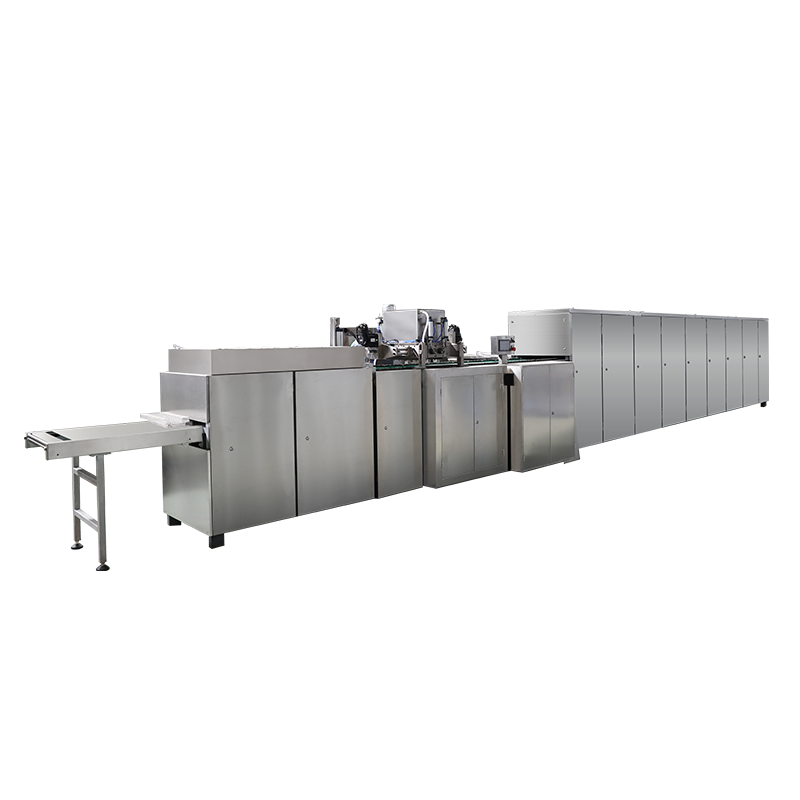
- Chocolate moulding line names the whole chain: mould feed and pre-heating, depositing, vibration and knocking, multi-zone cooling, demoulding, mould return, cleaning, and the control system that ties the stations together.
So when the question is framed as moulding line versus depositing line, the honest answer is that you are rarely choosing between two machines. You are choosing between two ways of drawing the boundary around the same project. The real comparison is between scope lists: who supplies the mould return, who owns the demoulding station, who defines deposit accuracy, and who signs off on the first saleable production run.
Station by Station: What a Moulding Line Actually Contains
The quickest way to judge whether a quotation is complete is to walk the line in station order and tick off what is included.
| Station | What it does | What to check in the quotation |
|---|---|---|
| Mould feed and pre-heating | Warms the moulds and places them on the chain | Is pre-heating included, and how is mould temperature held steady before depositing |
| Depositor | Doses tempered mass into the cavities | Nozzle count, single-shot or one-shot, stated weight tolerance, changeover time |
| Vibration and knocking | Releases trapped air and levels the fill | Number of vibrating stations and whether knocking force is adjustable |
| Cooling tunnel | Sets the chocolate in controlled temperature zones | Zone count, air temperature range, retention time at your piece weight |
| Demoulding | Releases the finished pieces from the mould | Twist or turning type, and whether this station is in the supplier's scope at all |
| Mould return and cleaning | Returns empty moulds to the start of the line | Return length, cleaning station, and how the number of moulds in circulation is calculated |
When a supplier sells a "depositing line", the list often stops at the depositor or at the end of the cooling tunnel. That is not automatically wrong. Plenty of factories already own a demoulding and return section and only need the front end of the process. It becomes a problem when the buyer assumes demoulding is included because the document title looked complete.
The depositor itself deserves a separate technical conversation. Nozzle layout, plate alignment, plate lift and weight control decide whether the line runs at its rated speed or is constantly stopped for adjustment, and our notes on what to check in a moulding line's depositors go through those details point by point.
Where the Name "Depositing Line" Comes From, and Where It Stops
Three different things get called a depositing line in real procurement documents:
- The complete moulding plant, described from the depositor outwards because the depositor is the most technically interesting part.
- The front end only: tempering, depositor, vibration and sometimes a short tunnel, bought by factories that already have mould handling.
- A depositing plant for products that never enter a mould, such as chocolate chips, drops and clusters deposited onto a belt and cooled in place.
The depositor hardware also varies, and the type you need follows the product:
- Piston or plunger depositors use mechanical dosing. They are simple, robust and easy to maintain, and they suit stable recipes run in long campaigns.
- Servo-driven depositors set weight per piece from the control panel and correct stroke by stroke. They are the usual choice when piece weight consistency is a commercial requirement.
- One-shot depositors place two or three masses in a single stroke, which is how two-colour and filled bars are produced without a separate shell step.
- Manifold or multi-head depositors use one head per row or per colour, which is how high cavity counts are filled within a short cycle.
Every one of those units sits inside a moulding line. That is why the comparison is not really line versus line. It is depositor capability versus complete system responsibility.
Match the Configuration to the Product, Not to the Label
The product range decides which stations you need. A few practical rules:
- Solid tablets and bars need single-shot depositing, tight weight control and, above all, compatibility with the mould size you already own.
- Filled pralines and shells need a shell depositor, a centre filler and a capping station. A plain depositing quote will not cover this, whatever it is called.
- Two-colour or striped bars need one-shot depositing or two synchronised depositors with a shared cycle.
- Chocolate chips and drops need belt depositing and no demoulding station at all. Buying a full moulding line here would tie up capital that never returns.
- Clusters and nut products need a depositor plus a sprinkler, with a tunnel sized for open pieces rather than moulded ones.
- Frequent colour or recipe changes reward quick-release nozzle plates and a modular frame far more than a higher headline capacity.
If two or three of these apply to the same room, the deposit plate, nozzle arrangement and mould handling become a design exercise rather than a catalogue choice. In that situation it is normally cheaper to settle the customised mould and deposit configuration before the order is placed than to modify the line afterwards.
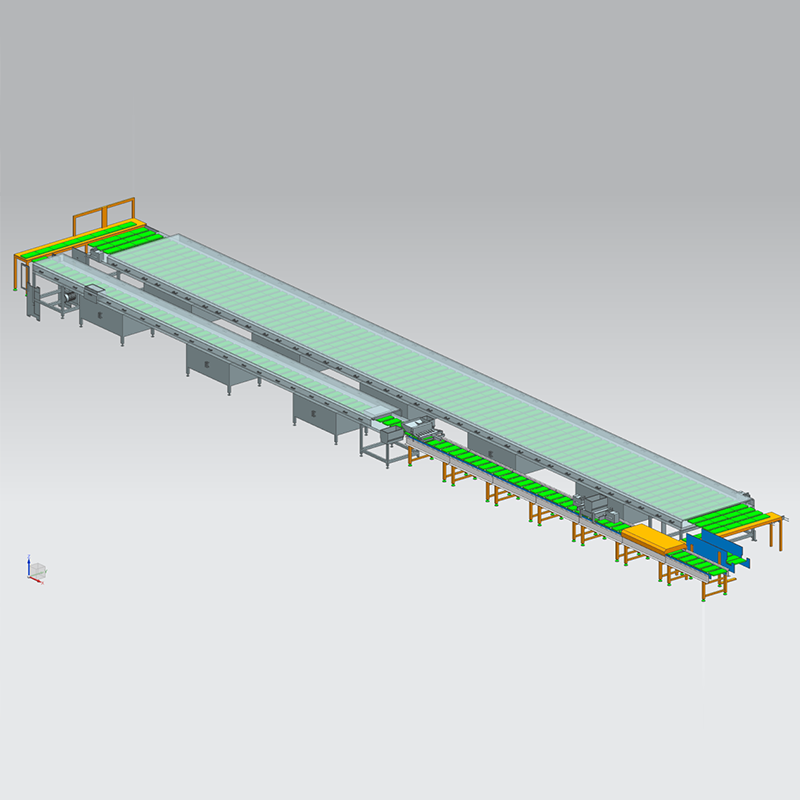 Chocolate Fully Automatic Modular Production LineReview this modular line when deposit plate, nozzle arrangement and mould handling affect layout; it integrates mould preheating, depositing, vertical cooling, demolding and conveying.View Product →
The Numbers That Decide the Comparison
Three figures settle most of the argument before price is even discussed.
The classic book mould size, and still the most widely used. Your existing moulds should dictate the depositor plate, not the other way round.
A common retention window inside the cooling tunnel for moulded pieces, depending on piece weight, filling and centre temperature.
The two ways suppliers state deposit weight tolerance. Pick one unit and ask both suppliers to quote in it.
Then work down the remaining checks, because these are where otherwise identical lines diverge:
- Capacity at the same piece weight. A line rated at 500 kg/h on 20 g bars may look very different on 5 g pieces, because cycle time and cavity count change the arithmetic.
- Deposit weight tolerance. Ask for the guaranteed figure, the test method and the number of pieces sampled.
- Changeover time. Swapping a nozzle plate and a mould set should be measured in minutes, not shifts.
- Cooling tunnel retention. Compare the number of zones and the retention time at your heaviest piece, not at the lightest one.
- Mould compatibility. Mould pitch, plate thickness and chain speed all have to match the depositor and the return system.
- Upstream tempering. A moulding line cannot outrun poor tempering. Flow rate, working temperature and holding capacity have to be sized against the depositor.
Tempering is usually quoted as a separate item, and it is the single most common reason a new moulding line underperforms on the first commissioning run.
 QTJ25 60 Chocolate Tempering MachineCompare this separate tempering station before commissioning a moulding line; 25L and 60L models offer PLC/HMI control, removable pump screw and integrated chilled water.View Product →
Why Two Quotes for "the Same" Line Differ So Widely
Once scope is compared station by station, most price gaps stop being mysterious. The recurring items are predictable:
- Moulds themselves, and who pays for the first set.
- Spare nozzle plates, pistons and seals in the initial package.
- Demoulding, mould return and mould cleaning, which are often left out of a "depositing line" price.
- Cooling tunnel zone count and the refrigeration equipment behind it.
- Control hardware, recipe storage and the level of automation on vibration and knocking.
- Installation, commissioning, operator training and how long the supplier stays on site.
- Documentation: CE marking, quality system certificates and electrical drawings in a usable language.
- Spare parts lead time after the warranty period ends.
Supplier history matters here as much as specification sheets. Suzhou Golden Eagle Machinery has been building chocolate equipment for close to thirty years, holds ISO 9001 certification since 2003 and CE certification since 2006, and has delivered moulding, enrobing, conching and tempering equipment to factories in Europe, the Middle East, Southeast Asia and Africa. Long product cycles of that kind are usually a fair indicator that spare parts and service will still exist in ten years.
FAQ
Q1: Is a chocolate depositing line the same as a chocolate moulding line?
In loose trade usage, often yes. The depositor is the station that gives the line its nickname, so the whole plant sometimes gets labelled a depositing line. Strictly, the depositing line is the filling section, while the moulding line adds mould feed, pre-heating, vibration, cooling, demoulding and mould return. Always compare the scope list, not the title.
Q2: Can I buy only the depositor and keep my existing mould handling?
Yes, provided the interfaces match. Check mould size and pitch, chain speed and rail height, the signal exchange between the depositor and your existing transport, and who takes responsibility when the two systems are joined. Splitting a line is a normal way to control capital cost, but it moves integration risk onto you.
Q3: Which configuration do I need for filled pralines?
A shell plant rather than a plain moulding line: shell depositing, shell cooling, centre filling, capping and then the main tunnel. If a quotation for filled pralines does not list a centre filler and a capping station, it is quoting a solid-product line.
Q4: How do I compare a 500 kg/h depositing line with a 500 kg/h moulding line?
Ask both suppliers for piece weight, cavity count, cycle time, expected efficiency and mould count in circulation. Once those five numbers are on the table, the two capacity claims can be compared on the same basis, and the price difference usually becomes explainable.
Choosing Between the Two Names
For most buyers the decision is not which machine to buy but which responsibility package to sign. Ask each supplier for a station list, mark clearly what is included and what is excluded, and compare only those lists. If you already own mould handling and a tunnel, buy the front end and accept the integration work. If you are fitting out a new room, buy the complete line under a single warranty, because one throat to choke is worth more than a small saving on the depositor alone. And when the terminology in two quotations does not match, ask both suppliers to re-quote against the same station list before you look at price again.