

 English
  Français
  عربى
عربى The Process of Making Chocolate Explained: 6 Key Stages from Cacao Bean to Finished Bar
Content
- 1 From cacao bean to cocoa mass: cleaning, roasting, winnowing, and grinding
- 2 Refining, conching, and building the final flavor
- 3 Tempering and moulding: the science of stable crystals
- 4 Industrial equipment considerations: what to evaluate before buying
- 5 Frequently asked questions about the chocolate making process
Good chocolate is not made by accident. It is the result of a carefully controlled chain of stages, from cacao bean to finished bar, where small deviations in temperature, particle size, or timing can ruin the final product. Understanding the process helps you appreciate quality and make smarter choices if you plan to produce chocolate. Here is the complete process, from cacao bean to finished bar, and why each stage matters.
From cacao bean to cocoa mass: cleaning, roasting, winnowing, and grinding
Raw cacao beans arrive at a factory with dust, stones, and sometimes stray fibers. The first job is cleaning, a mechanical screening process that removes foreign materials. This simple step matters more than you might think: contaminants can affect flavor and damage downstream grinding equipment.
The cleaned beans are then roasted. Most factories roast between 110°C and 160°C, with times ranging from 10 to 40 minutes. Roasting does more than dry the beans. It triggers the Maillard reaction that produces chocolate aroma and reduces the natural acidity and bitterness. Under-roasted beans taste grassy and astringent, while over-roasted beans turn burnt, and no later stage can fix that.
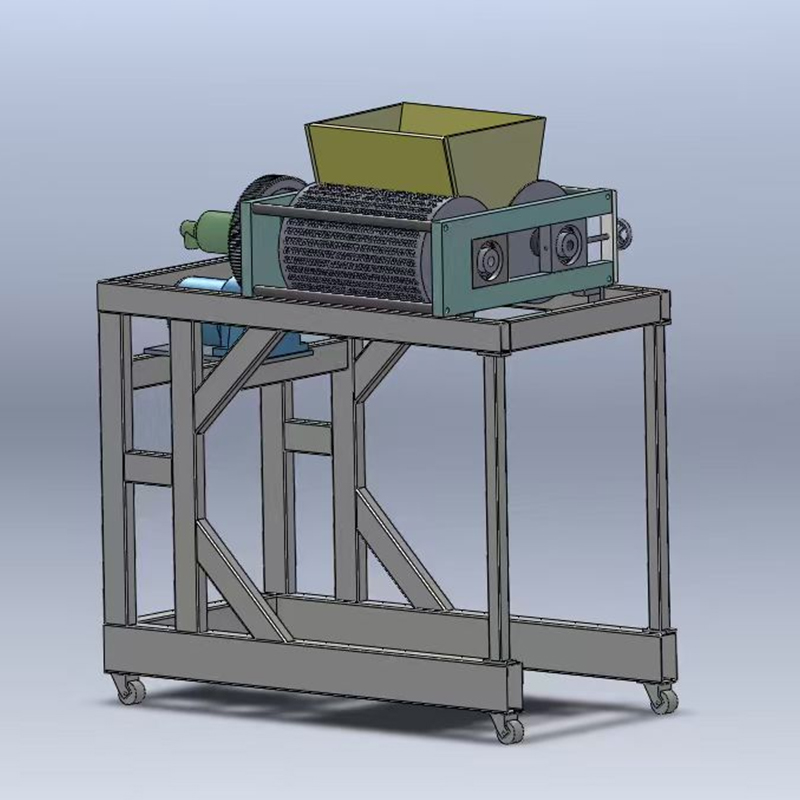
After roasting, the beans go through winnowing. The brittle shells are cracked and separated from the inner nibs. Air streams blow away the lighter shell pieces, leaving the dense nibs used for chocolate. The shells are usually sold as a byproduct.
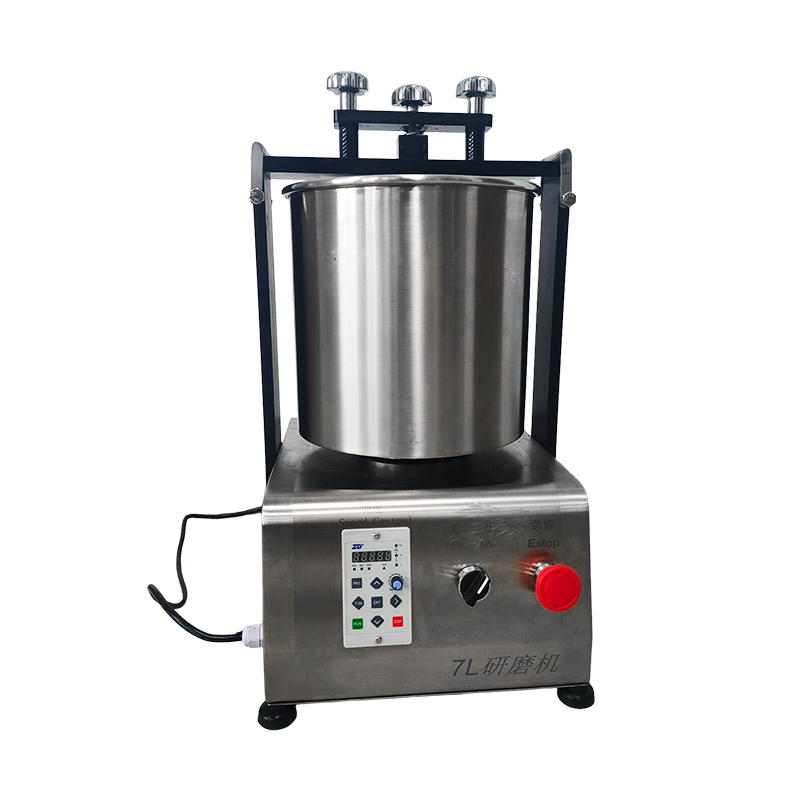
The nibs are then ground into a thick, brown paste called cocoa mass or cocoa liquor. This grinding process ruptures the cells that hold cocoa butter, releasing the fat and turning the solid nibs into a liquid-like paste. In industrial settings, chocolate grinders and ball mills handle anywhere from a few hundred kilograms to several tons per hour, depending on the scale of the operation.
Refining, conching, and building the final flavor
Cocoa mass is not yet edible chocolate. At this point, the recipe is formulated: sugar and cocoa butter are added for dark chocolate, milk powder is added for milk chocolate, and white chocolate skips cocoa mass entirely to use only cocoa butter, sugar, and milk solids.
Once all ingredients are mixed, the mixture goes through refining. The goal is to reduce every solid particle to a size below 30-35 micrometers. If your tongue can feel individual grains, the particles are too coarse. If they are too fine, the chocolate becomes excessively thick and difficult to process.
Quality benchmark: Many professional chocolate factories use a micrometer to verify particle size. The 30-35 micrometer range is widely accepted as the sweet spot for a smooth, creamy mouthfeel in industrial chocolate.
The next stage is conching, which is the heart of chocolate flavor development. Chocolate is mechanically kneaded, heated, and aerated over several hours or days. The temperature usually stays between 50°C and 80°C. Conching removes volatile acids, brings out nutty and fruity notes, and coats every solid particle in cocoa butter. This is what gives finished chocolate its mellow, rounded taste instead of a sharp, acidic bite.
Conching time depends on the product. Dark chocolate may be conched for 24 to 72 hours to build complexity. Milk chocolate is usually conched for less time, because extended heat can damage the delicate milk flavors. Longer conching produces a more refined flavor, but it also increases production cost and lead time.
Tempering and moulding: the science of stable crystals
Many quality failures trace back to tempering, so this stage deserves close attention. When chocolate melts, the cocoa butter crystals break apart. As it cools, the fat re-crystallizes into several different forms, most of which are unstable. Over time, those unstable crystals transform, causing the chocolate to develop a white, powdery coating known as fat bloom.
Proper tempering forces the cocoa butter into the stable crystal form, which gives chocolate a glossy shine and a clean snap. The process follows a three-stage temperature curve:
Well-tempered chocolate snaps cleanly, melts smoothly on the tongue, and has a mirror-like surface. Untempered chocolate looks dull, bends rather than snaps, and develops fat bloom within days.
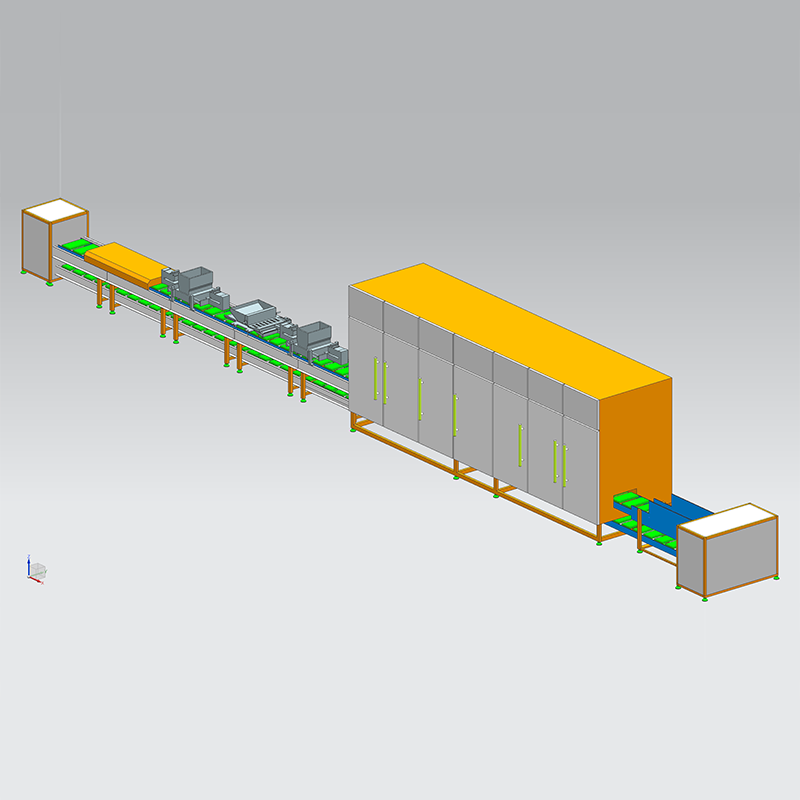
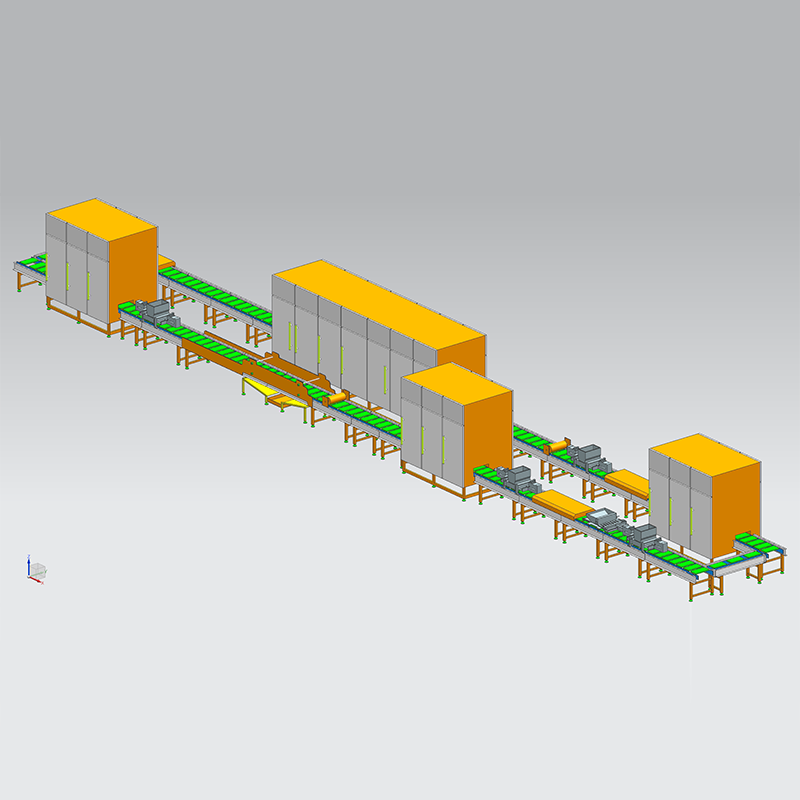
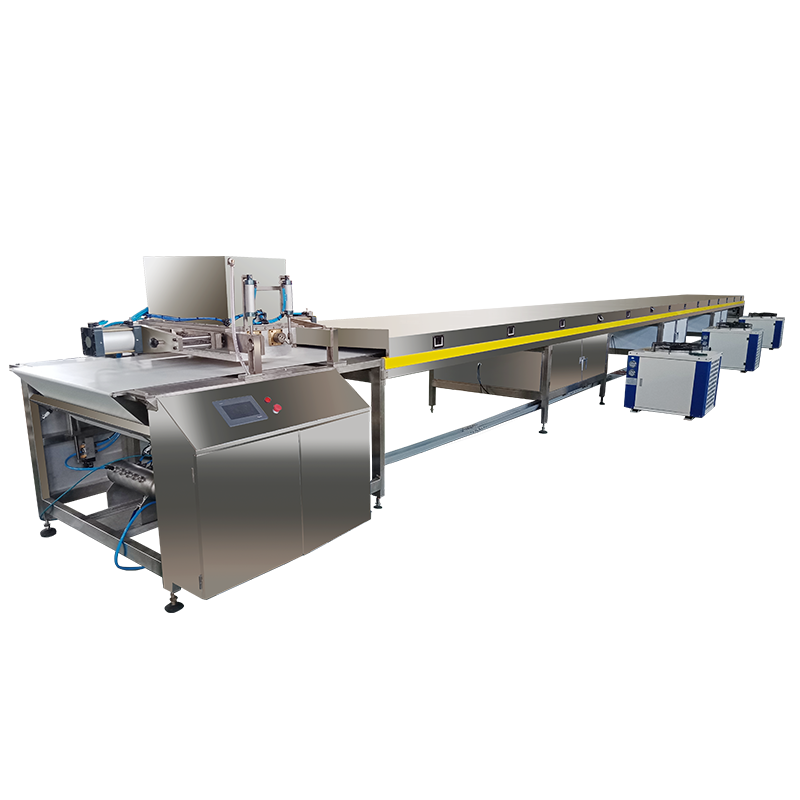
After tempering, the chocolate is moulded. Liquid chocolate is poured into shapes, tapped or vibrated to remove trapped air bubbles, then cooled in a tunnel at roughly 5-10°C. Once it hardens, the product is demoulded and packaged. Some products require an extra enrobing step, where a center such as a biscuit or caramel is coated in chocolate, which demands precise flow and temperature control from a dedicated enrobing line.
Industrial equipment considerations: what to evaluate before buying
Scaling from a small artisan kitchen to full industrial production changes the whole picture. The six stages stay the same, but the machinery has to hold performance under heavy, continuous operation. Here are the most common purchasing risks and what to check before making a decision:
- Particle size control: Does the refiner or ball mill consistently deliver a particle size below 35 micrometers? Ask to see test results from recipes similar to yours.
- Temperature stability: Can the tempering machine hold its temperature curve within 1°C? Even a small drift can cause fat bloom and poor gloss.
- Throughput capacity: Does the rated output match your planned volume, including cleaning, changeover, and startup time? Underestimate this and you will face bottlenecks.
- Cleaning efficiency: Can all surfaces that touch chocolate be accessed without full disassembly? Hidden residue causes off-flavors and food safety issues.
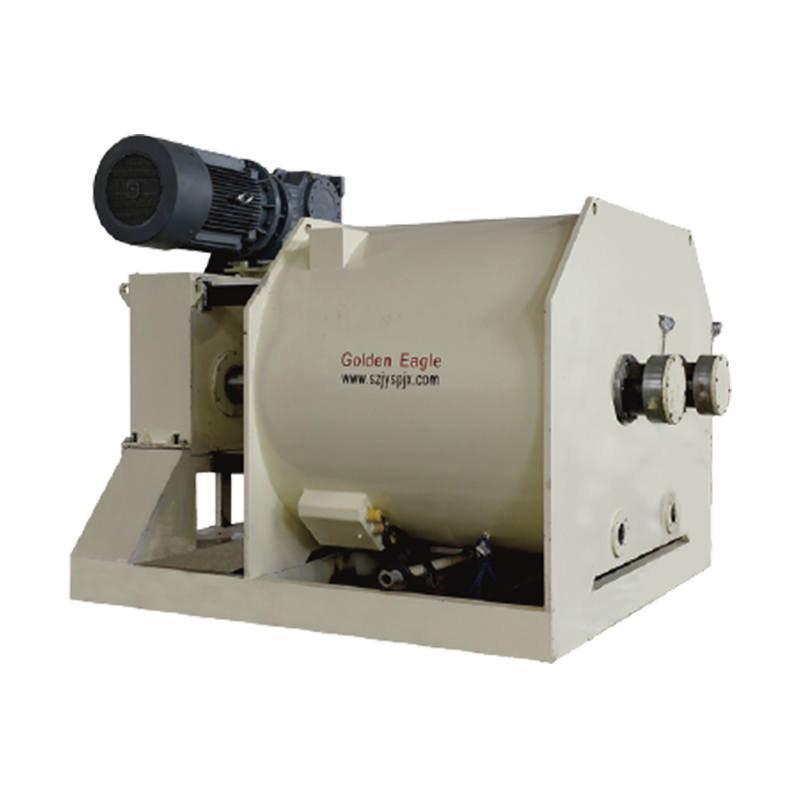
One of the most common equipment decisions is choosing between a combined ball mill system that handles refining and conching in one unit, versus separate refiner and conche machines. A combined system saves floor space and reduces upfront cost, making it attractive for high-volume single-product facilities. Separate machines offer more flexibility for recipe development and small batch production, which matters for chocolatiers testing new formulas.
Practical guidance: If you plan to produce a few SKUs at high volume, a combined ball mill and conching unit is often the most efficient route. If you want to develop many recipes or handle short production runs, separate refiners and conches give you better control and faster changeovers.
Do not overlook supporting equipment either. Chocolate pumps, holding tanks, and fat melting tanks play a critical role in maintaining temperature consistency. A batch that has been perfectly tempered can be ruined by a poorly insulated holding tank or a pump that introduces air bubbles into the flow.
Frequently asked questions about the chocolate making process
Q1: How long does the chocolate making process take?
From raw beans to finished chocolate, most batches take 3 to 7 days. Conching is the biggest variable. Dark chocolate can be conched for 24 to 72 hours, which extends the total production timeline significantly.
Q2: What is the difference between refining and conching?
Refining is about particle size reduction, aiming to get all solids below 30-35 micrometers. Conching is about flavor development, moisture removal, and texture improvement through prolonged mixing and aeration. You need both for a high-quality finished product.
Q3: What causes chocolate bloom and how can it be avoided?
Fat bloom comes from improper tempering or temperature swings during storage. Sugar bloom happens when moisture condenses on the surface and dissolves sugar. Both can be prevented with precise tempering and stable storage conditions around 15-18°C.
Q4: Do you always need a separate conche machine?
Not always. Some ball mills are designed to combine refining and conching in one unit. If the flavor development from a ball mill meets your quality standards, you may not need a separate conche. For more complex flavor profiles, a dedicated conche offers finer control and better reproducibility.