

 English
 Français
 عربى
Chocolate Moulding Line Production Capacity: How to Calculate Real Output
Content
- 1 Rated Capacity vs Effective Capacity: Which Number Are You Buying?
- 2 The Capacity Formula You Can Check With a Stopwatch
- 3 Typical Capacity Bands by Line Format
- 4 Where Capacity Disappears During a Shift
- 5 Matching Capacity to the Product Mix You Actually Sell
- 6 Sizing the Equipment Around the Line
- 7 Questions to Ask Before You Sign
- 8 Frequently Asked Questions
Two chocolate factories order the same moulding line. The datasheet says 500 kg/h. One plant runs it at 470 kg/h on 100 g dark bars. The other struggles to hold 300 kg/h on 18 g filled pralines. Nobody was misled — the machines are identical, the products are not.
That is the whole problem with chocolate moulding line production capacity: it is never one number. It is the result of four things working together — depositor stroke rate, number of mould cavities, net weight per piece, and cooling tunnel dwell time. Rated capacity describes what the machine can do under reference conditions. Effective capacity describes what your factory will actually ship.
The gap between those two figures is where most investment mistakes happen. Below is how to calculate both, where capacity quietly disappears during a normal shift, and which questions separate a realistic supplier quote from an optimistic one.
Rated Capacity vs Effective Capacity: Which Number Are You Buying?
Rated capacity is measured against a fixed reference set: a standard 275 x 175 mm mould, dark chocolate depositing at roughly 28-30 degrees Celsius, a single depositing pass, and a cooling tunnel long enough to demould cleanly at full speed. Change any one of those inputs and the number moves.
Effective capacity is what survives a real production day. It subtracts mould changes, colour and filling changeovers, the 20-40 minutes each morning needed for the tempering circuit to stabilise, start-up and shutdown losses, and the reject rate caused by sticky demoulding or short shots.
Planning at 75% of the rated figure is a reasonable capital assumption for a plant running two or three changeovers per shift. If your business case assumes 100%, the shortfall shows up later as overtime rather than as extra machine output.
The Capacity Formula You Can Check With a Stopwatch
Output can be estimated before the cooling tunnel, and it takes one minute to verify on a running machine:
Capacity (kg/h) = moulds per minute x 60 x cavities per mould x net weight per piece (kg)
Worked example: a depositor indexing 6 moulds per minute, 12 cavities per mould, 25 g net weight. That is 360 moulds per hour, 4,320 pieces per hour, and 108 kg/h. Run a 90 g bar in a 6-cavity mould at 5 moulds per minute and the same line delivers 5 x 60 x 6 x 0.09, or 162 kg/h — more tonnage, far fewer pieces.
Three practical conclusions follow from that formula:
- Doubling cavities usually beats doubling speed. Most depositors work comfortably between 4 and 8 strokes per minute; pushing past that costs shot accuracy and weight consistency.
- Heavier pieces mean more kilograms but also more cooling load. A 90 g bar can need close to three times the dwell time of a 30 g praline.
- Shell-moulded products cut effective throughput by 50-65%, because each mould passes the depositor two or three times for shell, filling and backing.
The key components of a moulding line — depositor, vibrator, cooling tunnel, demoulding station — each impose their own ceiling, and the lowest one governs the line.
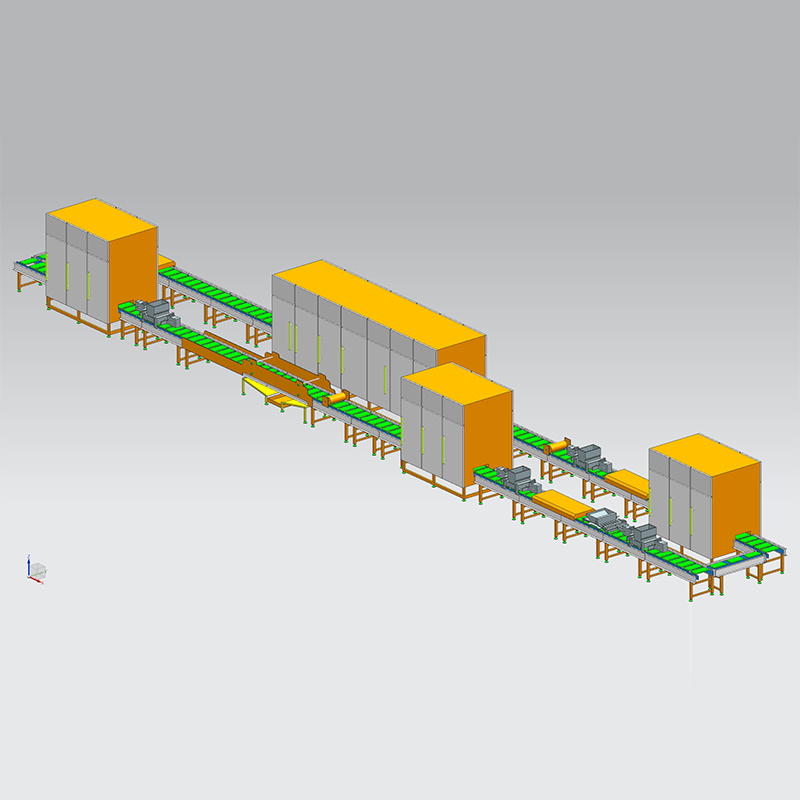
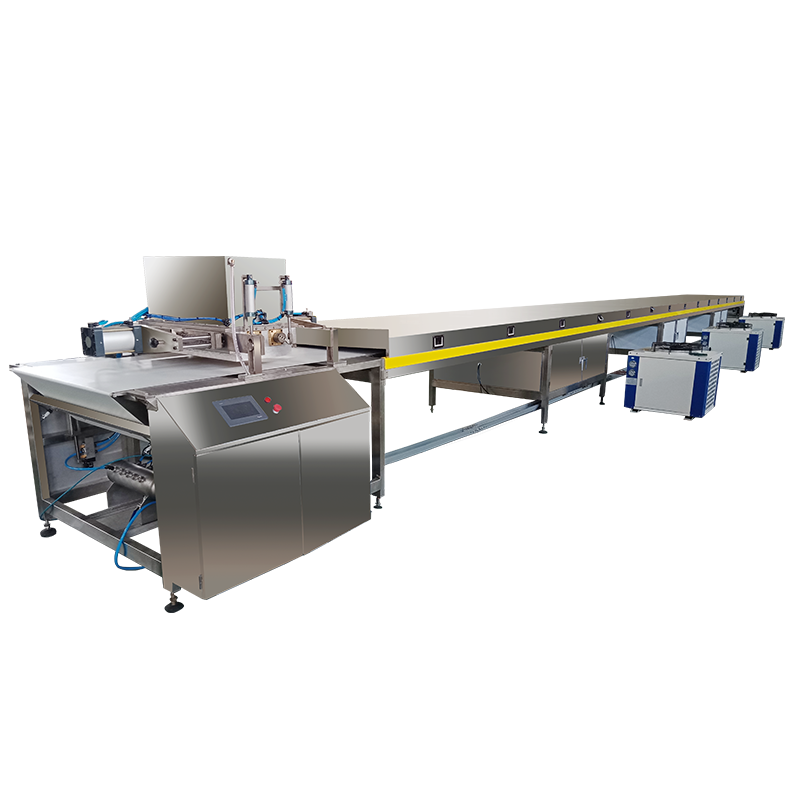
 Q110–Q113 Automatic Chocolate Moulding Production LineFully automatic line for bars, blocks, filled and shaped chocolates, combining mould heating, depositing, vibrating, cooling, demoulding, and conveying in one system.View Product →
Typical Capacity Bands by Line Format
Moulding lines cluster into three practical bands, and each band carries different changeover behaviour:
The boundaries are soft. A 400 kg/h line with a short tunnel may only hold 300 kg/h on a heavy bar, while a 250 kg/h line with a generously sized tunnel can run a light 12 g product close to full speed all day. Capacity figures quoted without a piece weight and a tunnel length are marketing, not engineering.
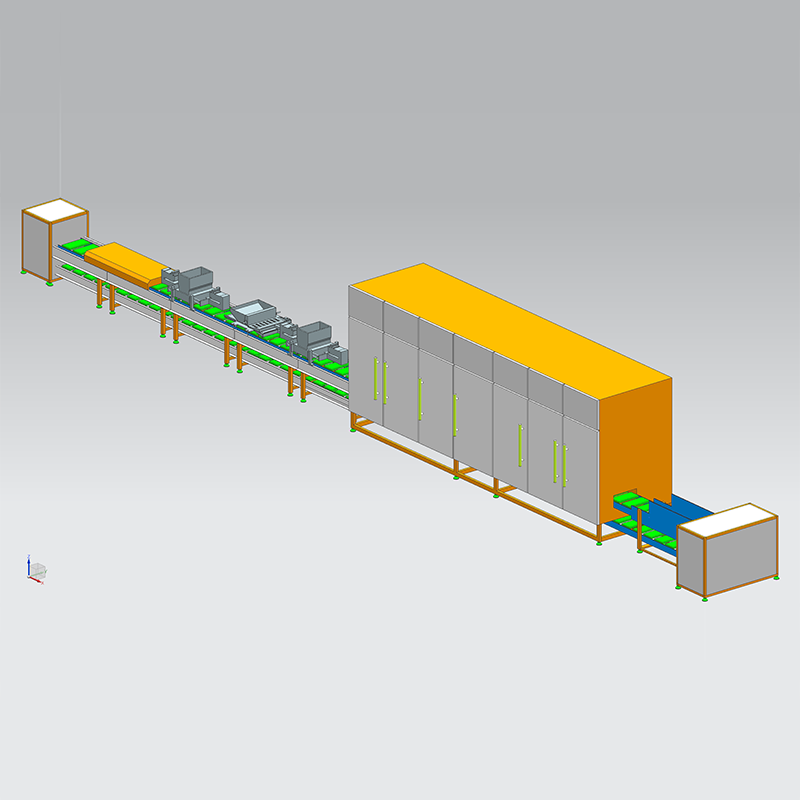
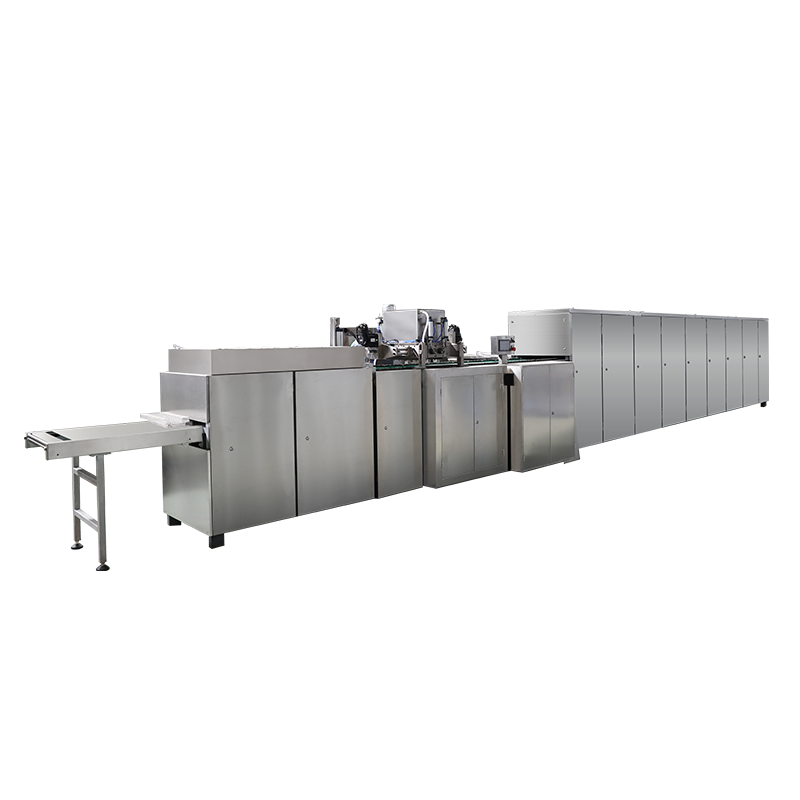
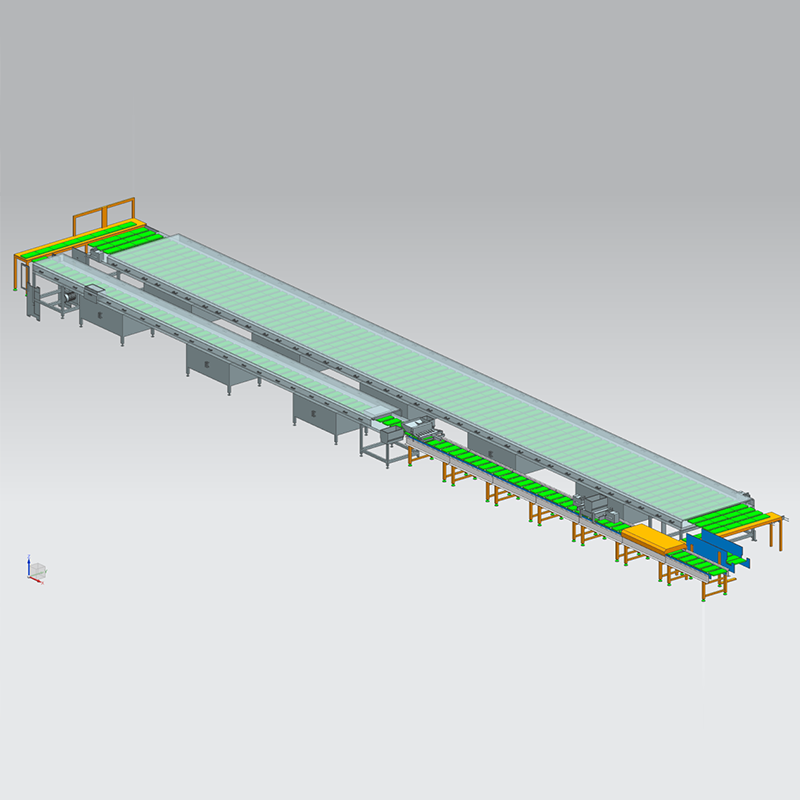 Chocolate Fully Automatic Modular Production LineModular closed-loop system with vertical cooling and a flat-plate tunnel option, supporting continuous preheating, depositing, demoulding, and conveying for standardized chocolate production.View Product →
Where Capacity Disappears During a Shift
Cooling tunnel dwell time
Cooling, not depositing, is usually the real ceiling. A 30 g praline may need 12-15 minutes at 8-12 degrees Celsius to release cleanly; a 100 g bar can need 20-25 minutes. Tunnel length divided by belt speed gives dwell time. If you want 25% more output on a heavy product, you may need a 25% longer tunnel — running the tunnel colder instead risks condensation and sugar bloom.
Tempering and holding buffer
The depositor only runs as fast as the tempering machine can feed it. Sizing tempering at 1.3-1.5 times the line's rated consumption keeps a stable reserve in the holding tank and protects against the temperature dips that produce streaky, poorly crystallised surfaces.
Changeover and cleaning
Mould changes, colour switches and filling changes cost 30-90 minutes each on a semi-automatic line, and 10-25 minutes on a servo-driven line with recipe memory. Four changes a day on a mid-range line can remove two hours of productive time — a quarter of an eight-hour shift, before any unplanned stoppage.
Matching Capacity to the Product Mix You Actually Sell
Before choosing a capacity figure, list your products and their net weights. Solid bars convert mould cycles into kilograms efficiently. Filled pralines add a second depositing pass for the filling. Hollow figures run on spinning moulds and follow a completely different cycle. Chocolate chips and drops use high-cavity depositors with short cooling, so hourly piece counts look impressive while total tonnage stays modest.
A line tuned for one product family at high speed will never match a flexible line on changeover time, and the reverse holds just as true. Buy the configuration that matches roughly 80% of your annual volume, then size the changeover system for the remainder. For unusual shapes, ball drops or multi-colour pieces, the practical route is usually a custom moulding configuration rather than a standard catalogue model.
Sizing the Equipment Around the Line
A moulding line is only as fast as the slowest stage feeding it, so three checks prevent an expensive mismatch:
- Refining: a conche or ball mill must deliver the daily paste tonnage in fewer hours than the line runs. A 500 kg/h line working six productive hours needs roughly 3 tonnes of refined mass per shift.
- Holding and tempering: allow 30-60 minutes of line consumption as buffer volume, held within about 1 degree Celsius of set point.
- Pumps and pipework: flow rate should exceed peak depositor consumption by 20-30%, with jacketed lines to hold viscosity between stages.
If any of these stages is undersized, the moulding line will spend part of every hour waiting rather than depositing, and the effective capacity you calculated at the start of the project simply never appears.
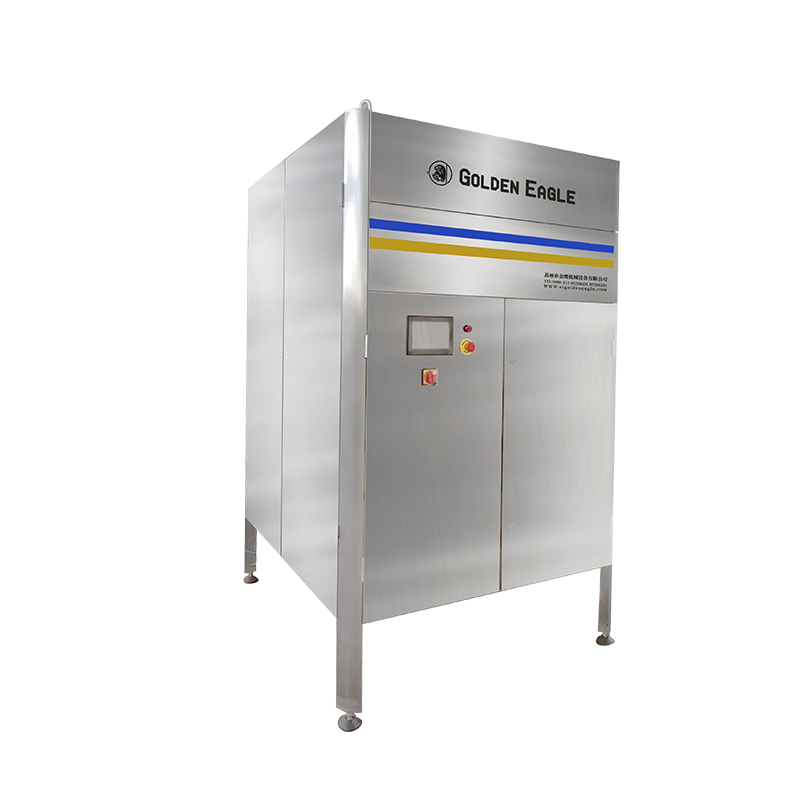 QYJ300 600 1000 Chocolate Tempering MachineContinuous four-zone tempering machine for pure cocoa butter and CBE chocolate, offered in 300, 600, and 1000 kg/time models with optional chiller.View Product →
Questions to Ask Before You Sign
Six questions separate a defensible capacity claim from a datasheet number:
- At what mould size, piece weight and product type is the quoted capacity measured?
- What cooling tunnel dwell time does that figure assume, and what is the tunnel's usable length?
- How long is a complete mould change, and does the controller store a recipe for each product?
- What is the tempering machine's rating relative to the line's rated consumption?
- What reject rate should we expect in the first hour after start-up, and how is demoulding quality verified?
- Can we run a trial with our own chocolate, our own recipe and our own mould before the order is confirmed?
A supplier who answers these in writing is quoting capacity. A supplier who only repeats the headline figure is quoting a hope.
Frequently Asked Questions
Q1: How is chocolate moulding line production capacity calculated?
Multiply moulds per minute by 60, then by the cavities per mould, then by the net weight of one piece in kilograms. The result is theoretical output before cooling limits, changeovers and rejects are deducted.
Q2: Why is my line producing less than its rated capacity?
The three most common causes are an undersized cooling tunnel, a tempering machine matched too tightly to the line, and changeover time that was never counted in the original plan. A product weight change alone can move output by 30-50%.
Q3: What capacity should a multi-product factory plan for?
Plan capital and staffing around 60-70% of rated capacity if you change products two to four times per shift, and around 80-85% for a single-product campaign run over several consecutive days.
Q4: Does a higher-capacity line always cost less per kilogram?
Not automatically. Above roughly 600-800 kg/h, the cooling tunnel, mould handling and automation grow faster in cost than the depositor does. The cost curve only flattens when the line runs near full speed for long campaigns.
Capacity is a negotiated number, not a printed one. Decide the piece weights you will genuinely sell, run the formula against them, subtract the losses your shift pattern will really create, and specify the cooling and tempering sections around that result. A line that holds 380 kg/h for ten hours beats one that touches 600 kg/h for two.