

 English
  Français
  عربى
عربى How Does The Chocolate Automatic Lab Tempering Machine Ensure Smooth Chocolate Texture?
Content
- 1 Principles of Chocolate Tempering
- 2 Mechanisms of the Chocolate Automatic Lab Tempering Machine
- 3 Factors Affecting Chocolate Texture
- 4 Advantages of Automatic Tempering
- 5 Operational Considerations
- 6 Innovations and Technological Trends
- 7 Application Scenarios
- 8 Conclusion
- 9 Frequently Asked Questions (FAQ)
- 10 References
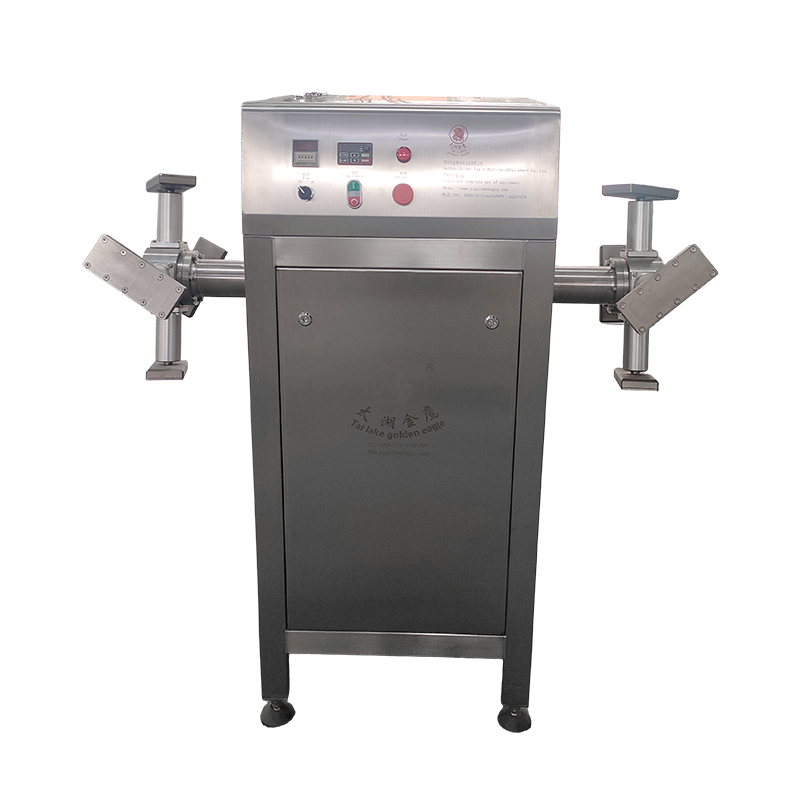
The Chocolate Automatic Lab Tempering Machine is an essential tool in modern chocolate processing laboratories. Its primary function is to regulate the crystallization of cocoa butter to produce chocolate with a consistent smooth texture, desirable gloss, and stable melting properties. Proper tempering is critical in both research and small-scale production settings, as it influences the final chocolate’s quality, including its texture, snap, and mouthfeel.
The importance of achieving smooth chocolate texture cannot be overstated, as uneven crystallization or improper tempering can lead to grainy chocolate, fat bloom, or inconsistent melting.
Principles of Chocolate Tempering
Tempering is the process of controlled heating and cooling of chocolate to stabilize the cocoa butter crystals. In cocoa butter, multiple polymorphic crystal forms exist, each with distinct melting points and stability. The goal of tempering is to encourage the formation of stable type V crystals, which are responsible for smooth texture, glossy appearance, and proper snap.
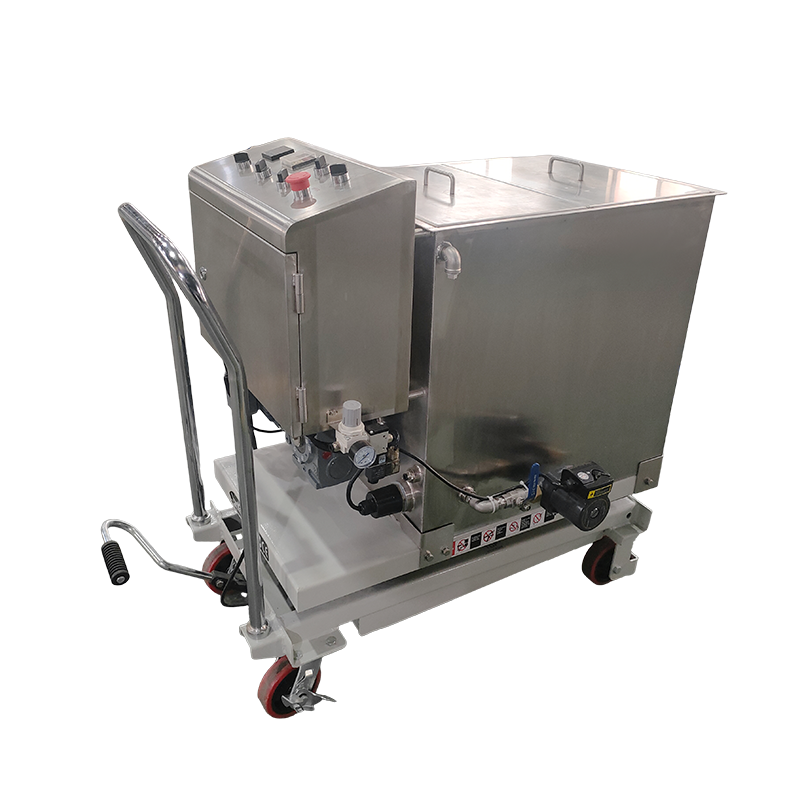
The Chocolate Automatic Lab Tempering Machine uses precise temperature regulation and automated stirring to guide chocolate through the tempering process. Unlike manual methods, the machine minimizes human error and ensures consistent crystallization, which is particularly important when working with experimental chocolate recipes or specialty formulations.
Table 1 summarizes the impact of different cocoa butter crystal forms on chocolate texture:
| Cocoa Butter Crystal Type | Melting Point | Texture Effect on Chocolate | Stability |
|---|---|---|---|
| Type I | 17°C | Soft, crumbly | Low |
| Type II | 21°C | Slightly brittle | Low |
| Type III | 26°C | Firm but soft | Medium |
| Type IV | 28°C | Smooth but less glossy | Medium |
| Type V | 33°C | Smooth, glossy, crisp snap | High |
| Type VI | 36°C | Hard, less desirable | High |
This table highlights why targeting Type V crystals is essential for achieving a smooth chocolate texture.
Mechanisms of the Chocolate Automatic Lab Tempering Machine
The Chocolate Automatic Lab Tempering Machine relies on several key mechanisms to produce smooth chocolate: precise temperature control, continuous agitation, and automated cooling cycles.
Temperature control: The machine maintains chocolate at specific temperature ranges during heating and cooling phases. Automated sensors constantly monitor the chocolate’s temperature, ensuring that the chocolate is never overheated or undercooled. Maintaining the correct temperature allows the cocoa butter to form uniform crystal structures, essential for smooth texture.
Agitation system: Continuous, controlled agitation prevents localized overcrystallization or formation of large fat crystals. This uniform mixing ensures that every portion of chocolate receives the same thermal and mechanical treatment, reducing the risk of grainy or uneven texture.
Automated cooling and seeding: Some models include seeding or controlled cooling systems to initiate crystal formation at the optimal temperature. By seeding the chocolate with stable crystals or controlling the cooling rate, the machine encourages consistent Type V crystal formation, which translates to smoothness in the finished product.
Factors Affecting Chocolate Texture
Several factors influence the ability of a Chocolate Automatic Lab Tempering Machine to achieve smooth chocolate texture. Understanding these variables helps operators optimize performance and maintain consistency.
Chocolate composition: The fat content, cocoa solids, and milk solids can all influence tempering outcomes. High-fat chocolate requires slightly different temperature profiles than lower-fat formulations to achieve smooth texture.
Machine settings: Precise programming of heating, cooling, and agitation parameters is critical. Automated machines reduce variability, but incorrect parameter settings can still result in undesired textures.
Ambient conditions: Laboratory humidity and temperature can affect chocolate viscosity and cooling rate. Chocolate Automatic Lab Tempering Machines often include insulation and environmental control to mitigate these effects.
Batch size: Overloading the machine can lead to uneven tempering, while underloading may affect crystal formation efficiency. Proper batch size ensures that all chocolate receives uniform thermal treatment.
Table 2 provides a comparison of factors and their impact on chocolate texture:
| Factor | Effect on Smoothness | Recommended Control Method |
|---|---|---|
| Cocoa Butter Crystallization | Determines final texture | Use precise temperature cycles and seeding |
| Agitation Speed | Affects uniformity | Adjust mixing to match batch size |
| Chocolate Composition | Influences viscosity | Adjust tempering temperature for each formula |
| Ambient Humidity | May cause bloom | Maintain controlled laboratory environment |
| Batch Volume | Impacts evenness | Avoid overloading or underloading machine |
Advantages of Automatic Tempering
The Chocolate Automatic Lab Tempering Machine offers several advantages over traditional manual tempering:
- Consistency: Automated systems remove operator variability, ensuring each batch has uniform smoothness and gloss.
- Efficiency: Continuous processing reduces the time needed to temper chocolate, increasing throughput in lab-scale production.
- Precision: Digital temperature control and programmable cycles allow operators to achieve repeatable results with complex chocolate recipes.
- Quality assurance: By controlling crystallization and agitation, the machine ensures chocolate achieves the desired mouthfeel and snap.
These advantages make the Chocolate Automatic Lab Tempering Machine particularly valuable in settings where precise chocolate quality is essential, such as research laboratories, experimental production, or small-scale artisanal chocolate manufacturing.
Operational Considerations
Proper use of a Chocolate Automatic Lab Tempering Machine requires attention to operational best practices:
- Calibration: Regular calibration of temperature sensors ensures accurate heating and cooling cycles.
- Cleaning: Residual chocolate can affect texture and flavor; thorough cleaning between batches prevents contamination.
- Monitoring: Operators should periodically check viscosity and crystal formation, even with automated systems.
- Maintenance: Scheduled servicing of motors, agitators, and sensors prolongs machine life and maintains performance.
Implementing these practices ensures the machine consistently delivers smooth chocolate texture across multiple batches.
Innovations and Technological Trends
Modern Chocolate Automatic Lab Tempering Machines incorporate innovative features to improve texture quality:
- Adaptive temperature control: Sensors detect viscosity and adjust temperature cycles automatically to optimize crystal formation.
- Programmable profiles: Machines can store multiple tempering programs for different chocolate types, facilitating rapid recipe switching.
- Real-time monitoring: Advanced systems provide real-time data on chocolate temperature, viscosity, and crystallization status, enabling informed adjustments.
These technologies enhance the machine’s ability to produce consistently smooth chocolate, even under varying environmental conditions or with complex formulations.
Application Scenarios
Chocolate Automatic Lab Tempering Machines are widely used in several scenarios:
- Research laboratories: For experimental formulations, consistent tempering ensures reliable results.
- Small-scale production: Artisanal chocolate makers can achieve professional-quality chocolate with precise texture control.
- Training and demonstration: Culinary schools use these machines to teach tempering principles with reproducible outcomes.
In each scenario, the machine’s precise control of temperature, agitation, and cooling cycles is key to producing chocolate with ideal smoothness and mouthfeel.
Conclusion
The Chocolate Automatic Lab Tempering Machine ensures smooth chocolate texture through a combination of precise temperature control, uniform agitation, and controlled cooling. By addressing variables such as chocolate composition, batch size, and ambient conditions, the machine reliably produces chocolate with consistent gloss, snap, and mouthfeel. Modern innovations, including adaptive temperature control and programmable profiles, further enhance performance, making this equipment indispensable for laboratories and small-scale production facilities that prioritize high-quality chocolate texture.
Frequently Asked Questions (FAQ)
Q1: Can the Chocolate Automatic Lab Tempering Machine handle both dark and milk chocolate?
Yes, the machine can be programmed with different temperature and agitation profiles to temper dark, milk, or white chocolate effectively.
Q2: How often should the Chocolate Automatic Lab Tempering Machine be cleaned?
Cleaning should occur after each batch to prevent chocolate residues from affecting texture and flavor.
Q3: Does batch size affect the smoothness of chocolate?
Yes, overloading or underloading the machine can cause uneven tempering, leading to inconsistent texture.
Q4: Is it possible to temper experimental chocolate formulations with this machine?
Absolutely, programmable cycles and precise temperature control allow reliable tempering of various formulations.
Q5: How can I monitor the quality of chocolate during tempering?
Operators can observe viscosity, sheen, and snap, while some machines provide real-time data on crystallization and temperature.
References
- Beckett, S. T. The Science of Chocolate. Royal Society of Chemistry, 2017.
- Minifie, B. W. Chocolate, Cocoa and Confectionery: Science and Technology. Springer, 2016.
- Halm, M. Chocolate Technology and Manufacturing. Academic Press, 2018.