

 English
  Français
  عربى
عربى What Maintenance Is Required For Chocolate & Candy Polishing Machinery Equipment?
Content
- 1 Understanding Chocolate & Candy Polishing Machinery Equipment
- 2 Daily Maintenance Practices
- 3 Weekly Maintenance Procedures
- 4 Monthly Maintenance Procedures
- 5 Annual Maintenance and Overhaul
- 6 Common Maintenance Challenges
- 7 Maintenance Tools and Equipment
- 8 Best Practices for Long-Term Equipment Maintenance
- 9 Conclusion
- 10 Frequently Asked Questions (FAQ)
- 11 References
Maintaining Chocolate & Candy Polishing Machinery Equipment is a critical aspect of ensuring consistent product quality, operational efficiency, and long-term reliability in confectionery production. Proper maintenance not only extends the lifespan of the equipment but also contributes to hygienic production and reduces unexpected downtime.
Understanding Chocolate & Candy Polishing Machinery Equipment
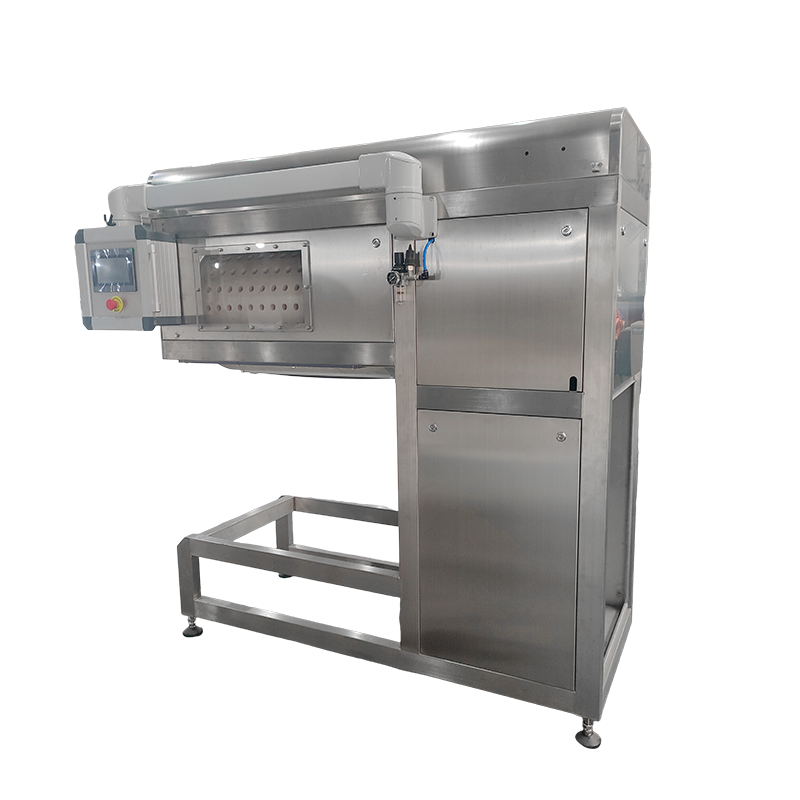
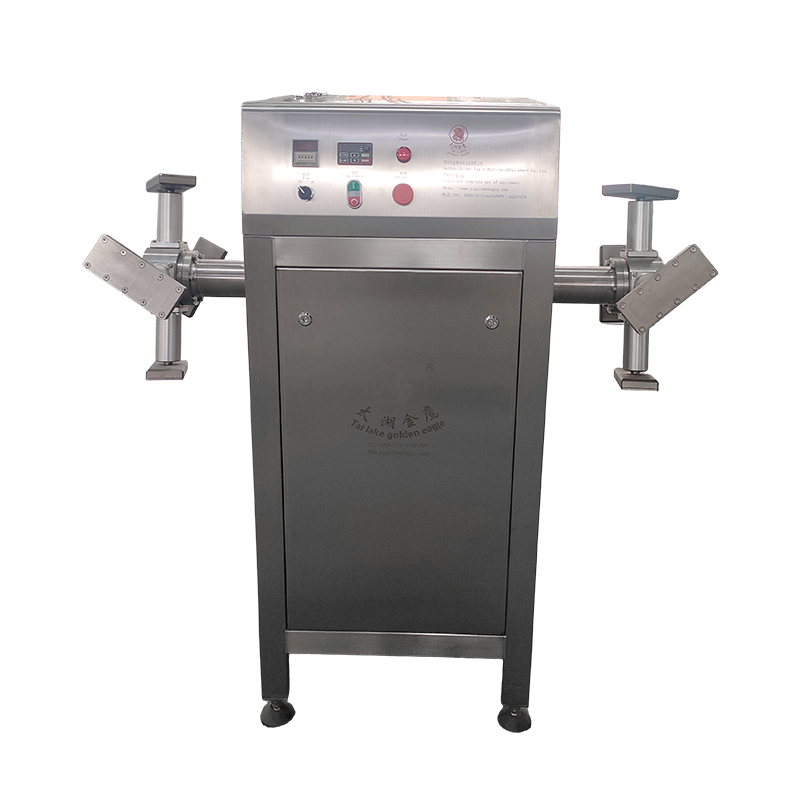
Chocolate & Candy Polishing Machinery Equipment is designed to enhance the surface finish of candies and chocolates by applying a gentle polishing action that results in a uniform, glossy appearance. The machinery typically integrates a combination of polishing drums, rotating media, and controlled temperature systems to achieve optimal results. Buyers and operators often refer to these systems as candy finishing machines, chocolate coating polishers, and confectionery polishing units. Understanding the components and operational mechanisms is essential for designing an effective maintenance program.
The primary components of Chocolate & Candy Polishing Machinery Equipment include:
- Polishing drum or chamber
- Rotating and tumbling mechanisms
- Food-grade polishing media
- Motor and drive systems
- Control panels and monitoring interfaces
- Loading and unloading mechanisms
- Cleaning and sanitization ports
Each component has specific maintenance needs that contribute to the overall functionality and hygiene of the equipment.
Daily Maintenance Practices
Daily maintenance is fundamental for the continuous and safe operation of Chocolate & Candy Polishing Machinery Equipment. These procedures focus on immediate inspection, cleaning, and operational verification. The main objectives are to prevent contamination, minimize mechanical wear, and ensure consistent polishing performance.
Cleaning Procedures
Cleaning the polishing chamber and media is essential to avoid residue buildup and potential microbial contamination. Operators should follow a systematic approach:
- Remove all candies and polishing media from the drum.
- Wipe down the internal surfaces using food-grade cleaning solutions.
- Inspect for any signs of chocolate or sugar residue that may adhere to rotating parts.
- Rinse with warm water and allow the surfaces to dry before reassembling.
Using sanitizing agents suitable for confectionery equipment ensures compliance with food safety standards and reduces the risk of bacterial growth.
Inspection and Lubrication
Daily inspection of motors, bearings, and drive belts is crucial. Operators should:
- Check for unusual noise or vibration during operation
- Ensure that belts and chains are properly tensioned
- Apply food-grade lubricants to moving parts as specified by the equipment guidelines
Proper lubrication prevents premature wear and contributes to smooth, efficient operation.
Operational Verification
Before commencing production, it is important to verify:
- Drum rotation speed and direction
- Proper alignment of media within the polishing chamber
- Temperature control systems if equipped
- Functionality of safety interlocks and emergency stops
Ensuring these parameters are correct reduces the likelihood of equipment malfunction and maintains product quality.
Weekly Maintenance Procedures
Weekly maintenance focuses on more detailed inspections and minor adjustments that cannot be performed during daily routines. This includes assessing the mechanical, electrical, and operational integrity of Chocolate & Candy Polishing Machinery Equipment.
Mechanical Checks
Inspecting mechanical components ensures that the equipment continues to operate without unexpected interruptions. Weekly checks typically include:
- Bearing integrity: Inspect for signs of overheating or wear
- Shaft alignment: Confirm that shafts are correctly aligned to prevent uneven polishing
- Polishing media condition: Replace worn or broken media to maintain consistent finish
Proper mechanical checks reduce energy consumption and prevent equipment damage caused by misalignment or excessive wear.
Electrical and Control Systems
The electrical components of Chocolate & Candy Polishing Machinery Equipment require careful monitoring:
- Examine wiring and connectors for signs of corrosion or loosening
- Test the functionality of sensors and temperature controllers
- Verify control panel displays and error codes
Electrical inspections ensure that the equipment operates safely and accurately, preventing potential downtime due to unexpected electrical faults.
Sanitation and Hygiene
Weekly cleaning is more extensive than daily cleaning. It includes:
- Deep cleaning of all removable parts
- Sterilization of areas that contact the product
- Inspection of drain and ventilation systems to prevent accumulation of sugar particles
Maintaining food-grade hygiene standards is critical, especially when switching between different candy types or flavors.
Monthly Maintenance Procedures
Monthly maintenance involves comprehensive checks and minor adjustments designed to preserve the longevity of Chocolate & Candy Polishing Machinery Equipment. These procedures often require partial disassembly and careful attention to mechanical tolerances.
Detailed Component Inspection
Monthly inspections should focus on:
- Motor and gearbox condition: Check oil levels, signs of wear, and unusual noise
- Drum integrity: Inspect for dents, cracks, or corrosion that may affect product contact
- Structural frame and supports: Ensure all bolts and fasteners are secure
These inspections help identify potential failures before they impact production, ensuring uninterrupted operation.
Calibration and Performance Testing
Calibration of equipment ensures that operational parameters remain within acceptable ranges:
- Measure and adjust drum rotation speed if necessary
- Confirm that polishing time settings produce consistent surface gloss
- Test media distribution to ensure even polishing
Regular calibration maintains production quality consistency and reduces waste caused by uneven polishing.
Documentation and Record-Keeping
Maintaining detailed records of monthly inspections and maintenance actions is crucial. Logs should include:
- Date and description of maintenance
- Parts replaced or repaired
- Observations of mechanical or electrical anomalies
- Corrective actions taken
Documentation helps in trend analysis, preventive maintenance planning, and compliance with food safety audits.
Annual Maintenance and Overhaul
Annual maintenance involves a complete overhaul of Chocolate & Candy Polishing Machinery Equipment. This is essential to extend equipment lifespan, improve efficiency, and ensure food safety compliance.
Comprehensive Disassembly
- Remove and inspect all rotating drums, motors, and drive systems
- Replace worn or damaged components
- Inspect and clean all electrical connections and control modules
Disassembly allows for detection of hidden issues that are not visible during routine maintenance.
Replacement of Consumables
Some parts of the equipment, such as polishing media, gaskets, and bearings, have a limited service life. Annual replacement prevents sudden failures and ensures consistent performance.
Performance Verification and Certification
After overhaul, equipment should undergo a comprehensive performance test:
- Verify polishing uniformity across different candy batches
- Check electrical safety and control responsiveness
- Confirm compliance with internal quality standards and external food safety regulations
Annual verification ensures the equipment is fully operational and meets production requirements.
Common Maintenance Challenges
Maintaining Chocolate & Candy Polishing Machinery Equipment involves addressing certain challenges:
| Challenge | Description | Suggested Approach |
|---|---|---|
| Media wear | Polishing media can break or erode | Regular inspection and timely replacement |
| Residue buildup | Sugar or chocolate may accumulate | Daily and weekly cleaning routines |
| Mechanical misalignment | Shafts or drums may become misaligned | Periodic calibration and inspection |
| Electrical faults | Sensors or motors may malfunction | Weekly electrical checks and preventive maintenance |
| Contamination risk | Cross-contamination between batches | Thorough sanitization and media replacement |
These challenges highlight the importance of systematic and consistent maintenance to prevent production inefficiencies.
Maintenance Tools and Equipment
Effective maintenance of Chocolate & Candy Polishing Machinery Equipment requires specialized tools and consumables:
| Tool/Consumable | Purpose | Notes |
|---|---|---|
| Food-grade lubricants | Reduce wear on moving parts | Must comply with food safety standards |
| Inspection mirrors | Check internal drum and hard-to-reach areas | Useful during monthly inspections |
| Calibration instruments | Verify rotation speed and temperature control | Supports consistent product quality |
| Cleaning brushes and sanitizers | Remove residue and sterilize surfaces | Daily and weekly usage |
Proper use of tools ensures safety, compliance, and longevity of the machinery.
Best Practices for Long-Term Equipment Maintenance
To maximize the efficiency and lifespan of Chocolate & Candy Polishing Machinery Equipment, operators should adopt the following best practices:
- Establish a routine maintenance schedule covering daily, weekly, monthly, and annual tasks
- Train staff in proper cleaning, inspection, and handling procedures
- Keep detailed records of all maintenance activities for trend analysis
- Use only food-grade lubricants and cleaning agents
- Replace consumables proactively rather than reactively to avoid unexpected downtime
These practices reduce operational risks, maintain product quality, and ensure compliance with safety regulations.
Conclusion
Maintenance of Chocolate & Candy Polishing Machinery Equipment is an essential part of confectionery production management. A structured approach that includes daily cleaning, weekly inspections, monthly calibration, and annual overhaul ensures optimal performance, extends equipment lifespan, and maintains consistent product quality. By adhering to best practices and using appropriate tools, operators can achieve reliable and efficient polishing operations while ensuring food safety standards are met.
Frequently Asked Questions (FAQ)
Q1: How often should polishing media be replaced in Chocolate & Candy Polishing Machinery Equipment?
A1: Polishing media should be inspected weekly and replaced when signs of wear, breakage, or uneven performance are observed. Annual replacement is recommended as part of a comprehensive overhaul.
Q2: Can the equipment be operated without daily cleaning?
A2: Daily cleaning is essential to prevent residue buildup, contamination, and mechanical wear. Skipping cleaning may compromise product quality and reduce equipment lifespan.
Q3: What type of lubricants should be used for this machinery?
A3: Only food-grade lubricants are recommended to ensure safety and compliance with food production regulations.
Q4: Is professional training necessary for maintenance staff?
A4: Yes, trained personnel ensure proper cleaning, inspection, and handling, which reduces operational errors and extends equipment life.
Q5: What are the most common maintenance mistakes?
A5: Common mistakes include neglecting daily cleaning, failing to replace worn media, ignoring minor mechanical issues, and insufficient documentation of maintenance activities.
References
- Smith, J. (2020). Confectionery Equipment Maintenance Guide. Food Technology Press.
- Patel, R. (2019). Best Practices in Chocolate Production Machinery. Confectionery Engineering Journal.
- Food Safety Authority. (2021). Sanitation and Maintenance of Food Processing Equipment.