

 English
  Français
  عربى
عربى What is a chocolate tempering machine and how does it differ from a standard melter?
Content
- 1 Understanding Chocolate Tempering Machines: Core Definition and Purpose
- 2 The Science of Chocolate Tempering: Why Specialized Equipment Is Essential
- 3 Core Components of a Chocolate Tempering Machine
- 4 What Is a Standard Chocolate Melter?
- 5 Key Differences Between Chocolate Tempering Machines and Standard Melters
- 6 Operational Advantages of Using a Chocolate Tempering Machine
- 7 Ideal Applications for Chocolate Tempering Machines
- 8 Limitations of Standard Chocolate Melters
- 9 Maintenance and Longevity: Tempering Machines vs. Melters
- 10 Frequently Asked Questions About Chocolate Tempering Machines
- 10.0.1 Q1: Can a standard chocolate melter temper chocolate?
- 10.0.2 Q2: How much chocolate can a tempering machine process?
- 10.0.3 Q3: Is tempered chocolate better than untempered chocolate?
- 10.0.4 Q4: Do I need special skills to operate a tempering machine?
- 10.0.5 Q5: Can tempering machines process all types of chocolate?
- 10.0.6 Q6: How long does the tempering process take in a machine?
- 10.0.7 Q7: Are tempering machines energy efficient?
- 10.0.8 Q8: Can tempering machines hold chocolate for long periods?
- 10.0.9 Q9: What is the temperature accuracy of tempering machines?
- 10.0.10 Q10: Is a Chocolate Tempering Machine worth the investment?
Understanding Chocolate Tempering Machines: Core Definition and Purpose
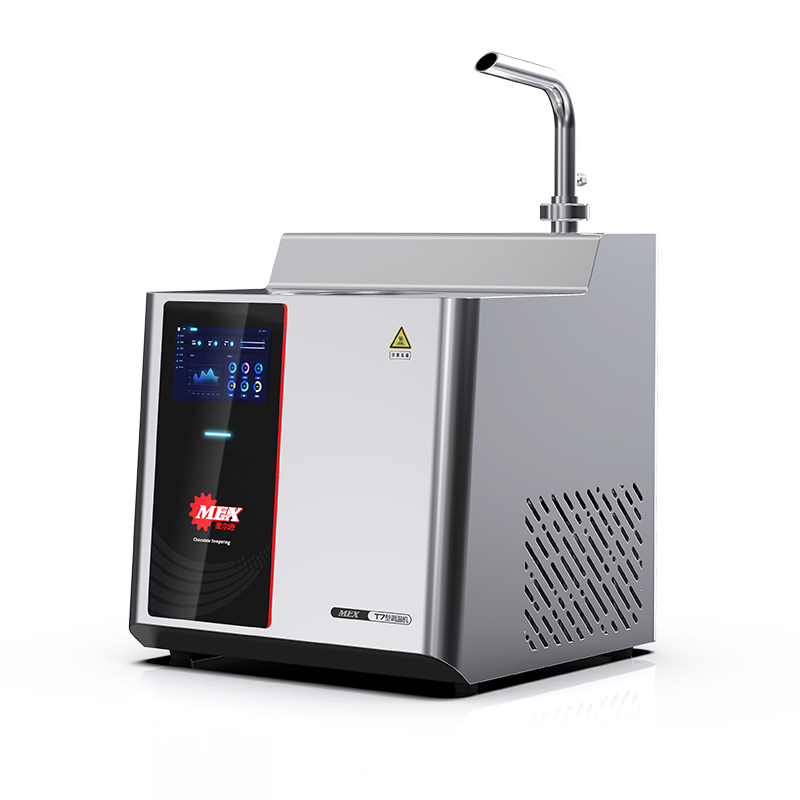
Chocolate is a delicate ingredient with unique physical properties that require precise temperature control to achieve the perfect texture, shine, and shelf life. A Chocolate Tempering Machine is a specialized piece of culinary and industrial equipment designed exclusively to control the crystallization of cocoa butter within chocolate during the melting, cooling, and reheating process known as tempering.
This equipment is engineered to maintain strict temperature gradients that align with the natural crystallization needs of cocoa butter, ensuring chocolate transforms from a liquid state to a solid state with ideal visual and textural qualities. Unlike basic heating tools, tempering machines integrate multi-stage temperature regulation, continuous agitation, and consistent heat distribution to produce tempered chocolate reliably.
Tempered chocolate is the foundation of professional chocolate making, used in truffles, enrobed candies, chocolate bars, decorative pieces, and bakery applications. Without proper tempering, chocolate develops a dull appearance, soft texture, streaky patterns, and a short shelf life, making the tempering machine an indispensable tool for chocolatiers, bakeries, confectionery factories, and food production facilities.
The core purpose of a Chocolate Tempering Machine is to create stable beta crystals in cocoa butter—these crystals are the secret to glossy, snap-resistant, and long-lasting finished chocolate products. The machine automates the entire tempering cycle, eliminating the guesswork and manual labor associated with traditional hand-tempering methods.
Commercial-grade tempering machines are available in various capacities, ranging from small countertop models for small businesses (5kg to 20kg per batch) to large industrial units capable of processing 100kg to 500kg of chocolate per hour. This scalability makes the equipment suitable for every scale of chocolate production, from artisanal shops to mass-manufacturing plants.
The Science of Chocolate Tempering: Why Specialized Equipment Is Essential
Cocoa Butter Crystallization Basics
Cocoa butter, the fat component of chocolate, contains six distinct crystal forms, only one of which (Form V, or beta crystals) delivers the desired characteristics of premium chocolate. These stable crystals form within a narrow temperature range, and any deviation results in unstable crystals that ruin the final product.
The ideal tempering temperature varies slightly by chocolate type, with precise ranges that a tempering machine is built to maintain consistently:
- Dark chocolate: Tempering cycle between 45°C, 27°C, and 31°C
- Milk chocolate: Tempering cycle between 43°C, 26°C, and 29°C
- White chocolate: Tempering cycle between 42°C, 25°C, and 28°C
Limitations of Manual Tempering
Hand-tempering chocolate requires constant monitoring, manual stirring, and temperature checks with a thermometer. Even experienced chocolatiers struggle to maintain perfect temperatures for extended periods, and the process is highly time-consuming. A single degree variation can ruin an entire batch of chocolate, leading to material waste and production delays.
Manual methods can only process small batches, typically under 5kg at a time, making them impractical for commercial production. In contrast, a Chocolate Tempering Machine automates the full crystallization process with ±0.5°C temperature accuracy, ensuring consistent results batch after batch without constant supervision.
How Tempering Machines Enable Stable Crystallization
Tempering machines execute three critical stages in sequence to form stable cocoa butter crystals: heating, cooling, and reheating. Each stage is controlled electronically to exact specifications, with built-in sensors that adjust temperatures in real time.
The machine’s internal agitation system keeps chocolate moving gently during all stages, preventing localized overheating or cooling and ensuring uniform crystal formation throughout the entire batch. This continuous motion is impossible to replicate manually over long production runs, making the tempering machine superior for consistent quality.
Core Components of a Chocolate Tempering Machine
Precision Temperature Control System
The central component of any Chocolate Tempering Machine is its digital temperature control module. This system uses high-sensitivity sensors to monitor chocolate temperature continuously and adjust heating and cooling elements instantly to maintain set parameters. Most professional models feature digital displays for easy temperature reading and adjustment.
Heating and Cooling Elements
Tempering machines include integrated heating elements (usually electric or water-jacketed) and cooling systems that work in tandem to create the required temperature cycle. Water-jacketed heating is the most common design in commercial machines, as it provides gentle, uniform heat without scorching the chocolate—a common issue with direct heating methods.
Agitation and Mixing Mechanism
A low-speed, gentle mixing system ensures chocolate flows evenly across all heating and cooling surfaces. The agitator speed is calibrated specifically for chocolate’s viscosity, preventing air bubbles from forming while maintaining consistent temperature distribution. This component is critical for uniform tempering across large batch sizes.
Stainless Steel Construction
All food-contact parts of a tempering machine are made from food-grade 304 stainless steel, which is non-reactive, easy to clean, and meets global food safety standards. The smooth surface prevents chocolate from sticking and simplifies sanitation between batches, essential for commercial food production.
Batch or Continuous Flow Design
Small to medium tempering machines use a batch design, processing set quantities of chocolate at a time. Industrial-grade models feature continuous flow systems that feed tempered chocolate directly into production lines, enabling non-stop manufacturing for high-volume facilities. Both designs maintain the same precise tempering standards.
What Is a Standard Chocolate Melter?
A standard chocolate melter is a basic heating device designed solely to melt solid chocolate into a liquid state. Unlike tempering machines, melters focus exclusively on raising chocolate temperature to melt crystals, with no capability to control crystallization or create stable beta crystals.
Standard melters are simple appliances typically consisting of a heating chamber, a basic thermostat, and a holding tank. They are widely used in home kitchens, small cafes, and low-demand settings where only melted chocolate is needed for drizzling, dipping, or mixing into other ingredients.
These devices operate on a one-dimensional heating principle: apply heat until chocolate melts, then maintain a warm holding temperature to keep it liquid. Most melters have a temperature range of 30°C to 60°C, with no programmed cooling or reheating cycles required for tempering.
Standard melters come in various sizes, from compact 1kg countertop units to larger 20kg holding tanks. While they are affordable and easy to operate, their functionality is limited to melting only—they cannot produce tempered chocolate with the professional qualities required for finished confectionery products.
Because melters lack crystallization control, chocolate melted in these devices will solidify with a dull finish, soft texture, and bloom (white streaks) when cooled. This makes them unsuitable for creating premium chocolate products that require visual appeal and extended shelf life.
Key Differences Between Chocolate Tempering Machines and Standard Melters
The distinction between a Chocolate Tempering Machine and a standard melter is profound, impacting every aspect of chocolate quality, production efficiency, and end-use applications. The following table outlines the critical differences in functionality, performance, and suitability for professional use:
| Comparison Category | Chocolate Tempering Machine | Standard Chocolate Melter |
| Primary Function | Melts, cools, tempers, and maintains stable tempered chocolate | Only melts solid chocolate into liquid form |
| Temperature Control | Multi-stage precise control (heating, cooling, reheating) | Single-stage heating only with basic holding temperature |
| Crystal Formation | Creates stable Form V beta crystals intentionally | No control over crystal formation; random unstable crystals |
| Chocolate Quality | Glossy finish, crisp snap, long shelf life, no bloom | Dull appearance, soft texture, rapid blooming, short shelf life |
| Production Scale | Suitable for small artisanal to large industrial production | Only suitable for home use or very low-volume applications |
| Automation Level | Fully automated tempering cycles with minimal supervision | Manual operation with constant monitoring required |
| Batch Consistency | 99% consistent results across all batches | Inconsistent results with high risk of ruined batches |
Functional Capabilities Comparison
A Chocolate Tempering Machine performs a complete, specialized process that standard melters cannot replicate. The tempering machine’s multi-stage cycle ensures chocolate is not just melted, but transformed into a stable, professional-grade product ready for molding, enrobing, and decorating.
Standard melters lack the cooling and reheating stages essential for tempering. Once chocolate is melted in a melter, it remains in a liquid state but will not set properly when cooled. This fundamental limitation makes melters inadequate for any professional chocolate production.
Quality and End-Use Differences
Tempered chocolate from a specialized machine has a 6–12 month shelf life with no quality degradation, while untempered chocolate from a melter develops bloom within 1–2 weeks and loses its desirable texture quickly. Finished products made with tempered chocolate have a premium appearance and mouthfeel that customers expect from high-quality confections.
For businesses selling chocolate products, using a tempering machine directly impacts customer satisfaction, brand reputation, and profitability by reducing waste and ensuring consistent premium quality. Standard melters cannot support commercial chocolate sales due to the poor quality of untempered chocolate.
Operational Advantages of Using a Chocolate Tempering Machine
Unmatched Production Efficiency
Tempering machines reduce labor time by 70–80% compared to manual tempering or using melters with post-processing. Once the machine is loaded with chocolate and the program starts, it runs autonomously through the full tempering cycle, allowing staff to focus on other production tasks.
Continuous-flow tempering machines enable 24/7 production for industrial facilities, eliminating downtime between batches and maximizing output. This level of efficiency is impossible to achieve with standard melters, which require constant attention and manual intervention.
Significant Cost Savings
By producing consistent tempered chocolate every time, tempering machines eliminate material waste from ruined batches. Businesses typically see a 30–40% reduction in chocolate waste within the first month of using a professional tempering machine.
Reduced labor costs and increased production capacity further improve profit margins. While tempering machines have a higher upfront cost than melters, the return on investment is rapid for any business producing chocolate regularly.
Consistent Product Quality
Every batch of chocolate processed through a tempering machine has identical texture, shine, and taste. This consistency is critical for building brand loyalty and meeting customer expectations. Standard melters produce variable results that make consistent product quality impossible.
Versatility for All Chocolate Types
Modern Chocolate Tempering Machines feature programmable settings for dark, milk, white, and ruby chocolate, with customizable temperature profiles for specialty recipes. This versatility allows businesses to expand their product lines without purchasing additional equipment.
Standard melters offer no such customization—they simply melt all chocolate types at the same basic temperature, with no adjustments for the unique properties of different chocolate varieties.
Ideal Applications for Chocolate Tempering Machines
Artisanal Chocolate Shops
Small-batch chocolatiers rely on tempering machines to create handcrafted truffles, bonbons, and chocolate bars with professional quality. Countertop tempering machines (5–20kg capacity) fit perfectly in small production spaces while delivering restaurant-grade results.
Commercial Bakeries and Patisseries
Bakeries use tempered chocolate for cake decorations, dessert garnishes, filled pastries, and chocolate-covered baked goods. A tempering machine ensures a steady supply of high-quality tempered chocolate for daily production needs.
Confectionery Manufacturing Plants
Large-scale candy factories use industrial tempering machines integrated with enrobing lines and molding equipment to produce mass quantities of chocolate candies, bars, and snacks. These machines process 100kg+ per hour to meet high-demand production schedules.
Hotel and Catering Operations
Hospitality businesses use tempering machines for dessert preparation, chocolate fountains, and custom chocolate creations for events. The equipment ensures consistent quality for high-end dining experiences and special occasions.
Chocolate Fountain Specialists
Professional chocolate fountains require perfectly tempered chocolate to maintain smooth flow and proper setting on dipped fruits and pastries. A tempering machine is essential for fountain operators to deliver flawless presentations at events.
Limitations of Standard Chocolate Melters
While standard melters serve a basic purpose, their limitations make them unsuitable for anyone seeking to produce professional chocolate products. Understanding these drawbacks helps businesses make informed equipment choices.
Inability to Produce Tempered Chocolate
The single biggest limitation of standard melters is their lack of tempering capability. Untempered chocolate is unsellable as a finished product and unsuitable for premium dessert applications, restricting melters to very basic uses.
Poor Temperature Uniformity
Most budget melters have uneven heating, creating hot spots that can scorch chocolate or alter its flavor. Scorched chocolate is unusable, creating unnecessary waste for users.
Limited Production Capacity
Even large melters cannot maintain consistent melted chocolate for extended periods. As chocolate cools, it begins to solidify unevenly, requiring constant reheating and stirring that disrupts production flow.
No Long-Term Holding Capability
Melters can hold chocolate in a liquid state for only a few hours before the chocolate begins to degrade, separate, or develop unstable crystals. Tempering machines can hold chocolate in perfect tempered condition for 8+ hours continuously.
Not Designed for Commercial Use
Standard melters are built for light, occasional use, not daily commercial operation. They lack durable construction, food safety certifications, and sanitation features required for professional food production environments.
Maintenance and Longevity: Tempering Machines vs. Melters
Maintenance Requirements for Tempering Machines
Chocolate Tempering Machines are designed for commercial durability with minimal maintenance needs. Daily maintenance involves simple cleaning with warm water and food-safe cleaners, while monthly maintenance includes checking sensors and agitator function.
High-quality tempering machines have a service life of 8–15 years with proper care, making them a long-term investment for businesses. Manufacturers typically provide comprehensive warranties and replacement parts for commercial models.
Maintenance Requirements for Standard Melters
While melters seem simpler to maintain, their basic construction often leads to more frequent issues. Heating elements burn out quickly with regular use, and temperature controls are less reliable over time. Most melters have a lifespan of only 1–3 years with commercial use.
Replacement parts are rarely available for standard melters, meaning equipment failures often require full replacement rather than repair. This creates long-term costs that exceed the initial affordable purchase price.
Cleaning and Sanitation Standards
Tempering machines feature fully removable parts and smooth stainless steel surfaces designed for thorough sanitation, complying with health department standards for commercial food production. Standard melters often have fixed components that trap chocolate residue, creating hygiene risks.
Frequently Asked Questions About Chocolate Tempering Machines
Q1: Can a standard chocolate melter temper chocolate?
No, standard melters only melt chocolate and cannot perform the cooling and reheating cycles needed for tempering.
Q2: How much chocolate can a tempering machine process?
Capacity ranges from 5kg for countertop models to 500kg+ per hour for industrial continuous-flow machines.
Q3: Is tempered chocolate better than untempered chocolate?
Yes, tempered chocolate has a glossy finish, crisp snap, long shelf life, and no white bloom.
Q4: Do I need special skills to operate a tempering machine?
No, modern machines are fully automated with one-touch operation requiring minimal training.
Q5: Can tempering machines process all types of chocolate?
Yes, professional models have programmable settings for dark, milk, white, and ruby chocolate.
Q6: How long does the tempering process take in a machine?
A full tempering cycle takes 20–30 minutes, depending on chocolate type and batch size.
Q7: Are tempering machines energy efficient?
Yes, commercial tempering machines use optimized heating systems with low energy consumption.
Q8: Can tempering machines hold chocolate for long periods?
Yes, they maintain perfectly tempered chocolate for 8+ hours of continuous production.
Q9: What is the temperature accuracy of tempering machines?
Professional models maintain ±0.5°C accuracy for precise crystal formation.
Q10: Is a Chocolate Tempering Machine worth the investment?
Yes, for any business producing chocolate products, it reduces waste, labor, and increases product quality significantly.