

 English
  Français
  عربى
عربى What are the most common maintenance issues with a Chocolate Storage Tank?
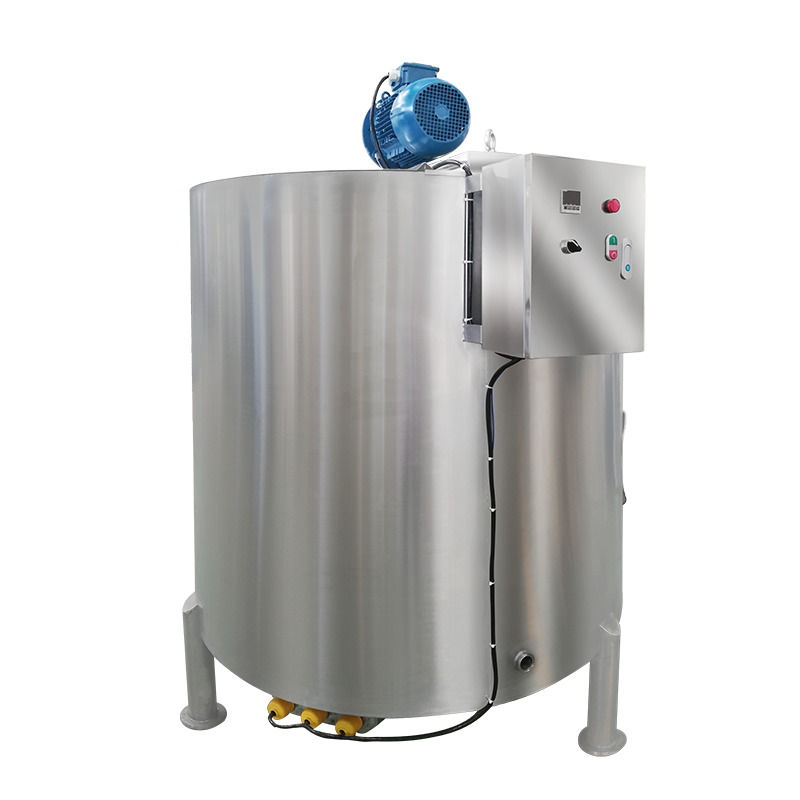
A chocolate storage tank plays a crucial role in the chocolate production process, ensuring that chocolate remains at optimal quality and consistency before it is processed further. While these tanks are designed for efficiency and hygiene, proper maintenance is critical to prevent operational problems, ensure safety, and extend the service life of the equipment.
Understanding the Role of a Chocolate Storage Tank
A chocolate storage tank serves as a controlled environment for storing liquid chocolate at a specific temperature and viscosity. These tanks are widely used in chocolate manufacturing facilities, confectionery production lines, and large-scale food processing plants. Maintaining the quality of chocolate requires precise control over temperature, agitation, and hygiene. Any deviation from optimal conditions can lead to product degradation, crystallization, or contamination.
Key functions of a chocolate storage tank include:
- Maintaining the chocolate in a molten and pourable state.
- Preventing separation of cocoa solids and fats.
- Ensuring uniform temperature distribution throughout the stored product.
- Supporting downstream processes such as molding, enrobing, or filling.
Given these critical functions, maintenance issues can directly affect product quality, production efficiency, and operational safety.
Common Maintenance Issues in Chocolate Storage Tanks
Several recurring maintenance issues are observed in the operation of a chocolate storage tank. Understanding these problems is essential for planning preventive maintenance and minimizing downtime.
1. Temperature Control Failures
One of the most frequent maintenance concerns in a chocolate storage tank involves temperature control. Chocolate requires precise temperature management to maintain its viscosity and prevent crystallization.
Symptoms and causes of temperature issues include:
- Uneven heating or cooling due to malfunctioning thermal jackets or heating elements.
- Faulty thermostats or temperature sensors that fail to provide accurate readings.
- Inadequate insulation leading to heat loss or temperature fluctuations.
Impact: Improper temperature control can cause chocolate to solidify, develop a grainy texture, or separate into fat and solids. This affects both the quality and processability of the product.
2. Inadequate Agitation or Mixing
Most chocolate storage tanks are equipped with agitators to ensure consistent texture and prevent settling of solids. A malfunctioning agitator is a common maintenance issue.
Causes include:
- Wear and tear of the mechanical drive components.
- Motor or gearbox failure.
- Build-up of chocolate residues that hinder free movement of the mixing blades.
Impact: Poor agitation leads to uneven chocolate consistency, formation of lumps, and difficulties in downstream processing. In some cases, it can also promote the growth of microorganisms if chocolate settles and is not properly circulated.
3. Contamination and Hygiene Issues
Maintaining strict hygiene is essential for a chocolate storage tank. Contamination can occur if the tank is not cleaned regularly or if residues from previous batches remain.
Common causes of contamination include:
- Residual chocolate or fat deposits that harbor bacteria or mold.
- Inadequate cleaning-in-place (CIP) procedures.
- Faulty seals or gaskets that allow external contaminants to enter.
Impact: Contamination can compromise chocolate safety and shelf life. It also increases the risk of equipment corrosion and may lead to regulatory non-compliance in food production facilities.
4. Wear and Corrosion of Tank Surfaces
The internal surfaces of a chocolate storage tank are typically made of stainless steel. However, prolonged exposure to chocolate, cleaning agents, and temperature variations can lead to wear and corrosion over time.
Key issues include:
- Pitting or surface scratches that can trap residues.
- Corrosion caused by improper cleaning chemicals or high humidity environments.
- Erosion of welds and joints, which can compromise structural integrity.
Impact: Surface wear can reduce hygiene, make cleaning more difficult, and shorten the tank’s lifespan. Severe corrosion may require partial or complete replacement of the tank.
5. Seal and Gasket Failures
Seals and gaskets are critical for maintaining temperature, pressure, and hygiene in a chocolate storage tank.
Common problems include:
- Deformation or hardening due to exposure to heat.
- Cracks or tears caused by mechanical stress.
- Leakage of chocolate or entry of air and contaminants.
Impact: Leaks affect both the efficiency and cleanliness of production. Replacing worn seals and gaskets is a routine maintenance task to prevent production losses and contamination risks.
6. Electrical and Control System Malfunctions
Modern chocolate storage tanks often incorporate electrical components such as thermostats, control panels, and motorized agitators. Failures in these systems are common maintenance issues.
Causes include:
- Short circuits, loose wiring, or worn-out components.
- Software or control logic errors in automated systems.
- Overheating or insufficient cooling of electronic components.
Impact: Electrical failures can halt tank operation, leading to production delays. They also pose safety risks if not addressed promptly.
7. Build-up of Chocolate Residue
Chocolate is viscous and sticky, which makes residue accumulation a frequent problem in chocolate storage tanks.
Contributing factors:
- Incomplete draining during cleaning cycles.
- Adhesion of chocolate to tank walls and agitator blades.
- Ineffective CIP systems.
Impact: Residue build-up affects temperature transfer, agitator efficiency, and product quality. Over time, it can also lead to contamination or microbial growth.
8. Pressure Imbalance
Some chocolate storage tanks are operated under mild pressure to facilitate transfer to downstream processes. Improper pressure regulation can cause operational issues.
Potential problems:
- Faulty pressure relief valves.
- Incorrect settings on pressure control systems.
- Leaks in pressurized components.
Impact: Pressure issues can lead to tank deformation, leakage, or inefficient chocolate flow. They also pose safety risks for operators.
Preventive Maintenance Strategies
Addressing these common issues requires a systematic maintenance approach. Implementing preventive measures can reduce downtime, improve product quality, and extend the life of a chocolate storage tank.
Recommended strategies include:
- Regular inspection of temperature and control systems to ensure accurate readings and proper operation.
- Routine cleaning and sanitation using effective CIP procedures, focusing on agitator blades, tank walls, and discharge valves.
- Lubrication and servicing of mechanical components such as motors, gears, and agitators.
- Monitoring and replacement of seals and gaskets before significant wear occurs.
- Inspection for corrosion and surface wear, with timely repair or polishing of affected areas.
- Calibration of electrical and control systems to prevent automation errors.
- Checking pressure and safety relief systems to ensure proper functioning under operational conditions.
Tips for Optimizing Chocolate Storage Tank Performance
In addition to routine maintenance, certain operational practices can minimize issues and improve efficiency.
Practical recommendations include:
- Maintain consistent operating temperatures to prevent crystallization or overheating.
- Avoid overfilling tanks, which can cause agitation inefficiencies and increased wear.
- Schedule regular downtime for thorough cleaning and inspection.
- Use food-grade lubricants and approved cleaning agents to protect tank surfaces and seals.
- Train operators to recognize early warning signs of mechanical or electrical issues.
Summary of Common Maintenance Issues
| Maintenance Issue | Common Causes | Impact on Operation |
|---|---|---|
| Temperature control failure | Faulty sensors, heating jacket issues | Chocolate solidification, separation |
| Inadequate agitation | Motor failure, residue build-up | Lumpy chocolate, uneven consistency |
| Contamination | Poor cleaning, faulty gaskets | Food safety risks, microbial growth |
| Wear and corrosion | Cleaning chemicals, prolonged use | Reduced hygiene, structural damage |
| Seal and gasket failure | Heat exposure, mechanical stress | Leakage, contamination |
| Electrical/control malfunction | Wiring issues, software errors | Downtime, safety hazards |
| Chocolate residue build-up | Incomplete cleaning, adhesion to surfaces | Reduced efficiency, contamination |
| Pressure imbalance | Faulty valves, leaks | Safety risks, inefficient chocolate flow |
Conclusion
A chocolate storage tank is an essential component of chocolate production, but it is also susceptible to various maintenance issues that can affect performance, safety, and product quality. By understanding common problems such as temperature control failures, agitation issues, contamination, wear and corrosion, and electrical malfunctions, operators can implement effective preventive maintenance strategies. Routine inspections, proper cleaning, and timely repairs ensure the chocolate storage tank continues to function efficiently and reliably, ultimately supporting consistent chocolate quality and safe production practices.