

 English
  Français
  عربى
عربى What Are the Benefits of Modular Designs for Snicker Production Lines?
The confectionery industry has undergone significant advancements in the past few decades, with automation, efficiency, and flexibility becoming central to production line designs. The snicker production line is no exception to this trend, as manufacturers continue to seek ways to improve productivity, minimize downtime, and enhance product quality. One of the most transformative innovations in modern manufacturing is the adoption of modular designs for production lines.
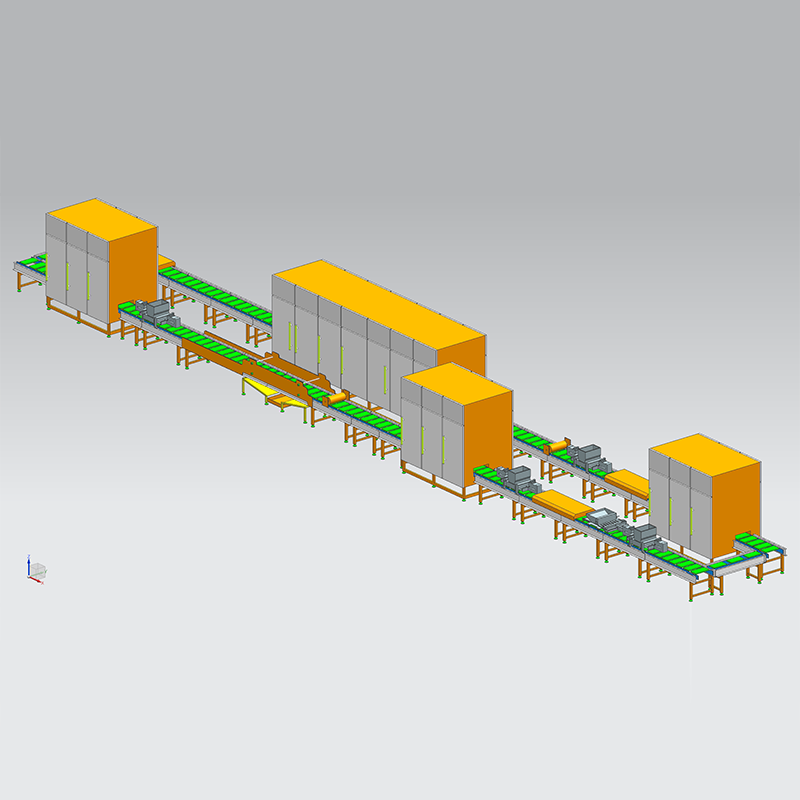
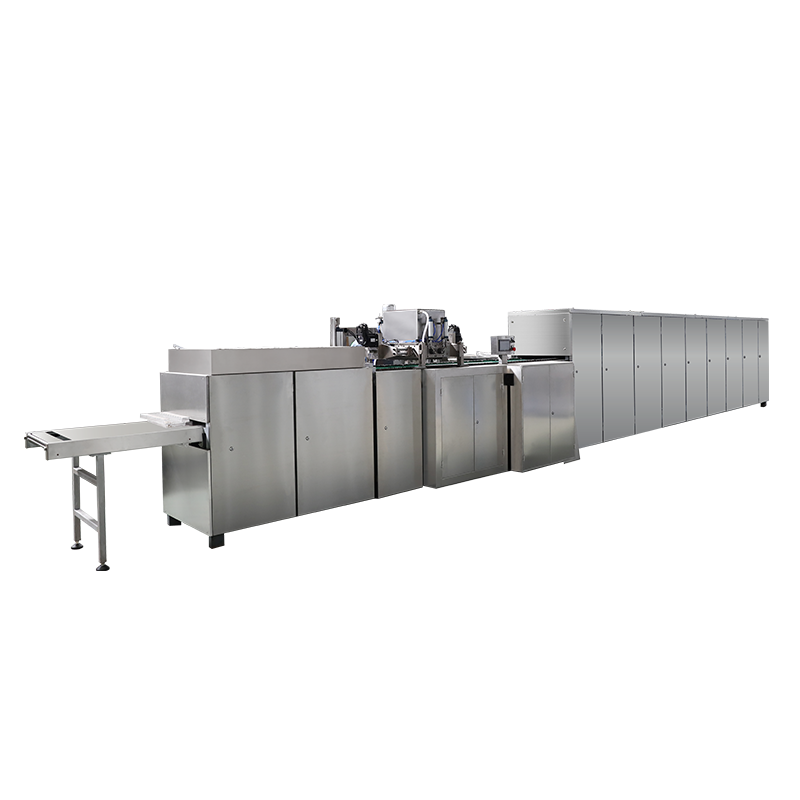
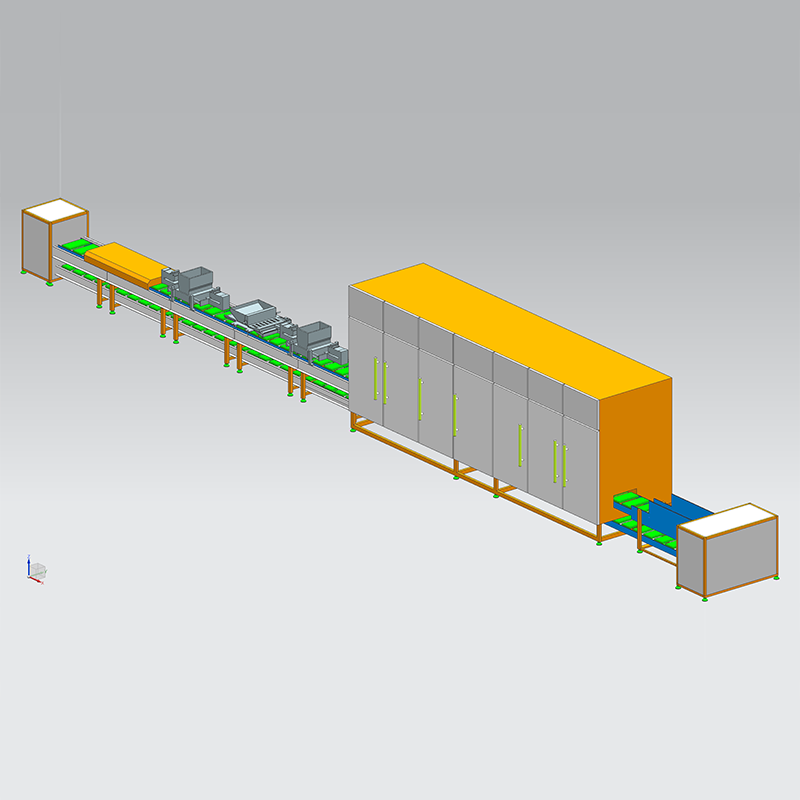
Modular design refers to the use of standardized, interchangeable components that can be assembled in various configurations to meet specific production needs. This approach offers multiple advantages, particularly for snicker production lines, where the need for customization, efficiency, and scalability is paramount.
Key Benefits of Modular Designs for Snicker Production Lines
1. Increased Flexibility
One of the primary benefits of modular designs is the flexibility they offer. Modular systems are highly adaptable, allowing manufacturers to reconfigure production lines to meet changing demands or new production requirements. For snicker production lines, this means that components like conveyors, molding machines, and packaging systems can be swapped in and out as needed, ensuring the line can quickly respond to different product variations or changing production volumes.
Flexibility in modular designs allows manufacturers to:
- Easily scale production: Adding new components to increase production capacity can be done without major overhauls.
- Quickly adjust to changes: Whether it’s a seasonal demand spike or a change in product specifications, modular designs allow for rapid adjustments.
2. Reduced Downtime and Maintenance
Modular production lines are designed to be easily maintainable, with individual components that can be serviced or replaced without disrupting the entire system. This is especially important in the snicker production line, where continuous operation is often required to meet high throughput demands.
With modular components, maintenance becomes more straightforward because:
- Independent modules can be isolated for maintenance or repair, allowing the rest of the line to continue operating.
- Simpler troubleshooting: Identifying and fixing issues in a modular system is quicker because engineers can focus on a single component without needing to shut down the entire production line.
- Faster component replacement: When a component fails, it can often be replaced with a spare part in a modular system, reducing the time required for repairs.
3. Cost Efficiency
Although modular designs might seem more expensive initially due to the need for interchangeable components and more sophisticated engineering, they can result in long-term cost savings. For example, by reducing downtime, minimizing waste, and improving efficiency, manufacturers can offset the higher initial investment.
The cost efficiency benefits of modular designs for a snicker production line include:
- Lower operational costs: Enhanced efficiency leads to a reduction in energy consumption and material waste.
- Reduced labor costs: Automated, modular systems can require less manual intervention, reducing labor expenses.
- Lower repair and replacement costs: Modular components are easier to repair and replace, leading to fewer costs associated with complex machinery breakdowns.
4. Improved Product Consistency and Quality
In the highly competitive confectionery industry, product consistency and quality are essential. Modular designs enhance both by standardizing production processes. Snicker production lines, particularly those that handle the molding, cooking, and packaging processes, benefit from modular systems by ensuring that each phase is consistent and repeatable.
Modular design promotes:
- Uniformity in production: Standardized components ensure that the same process is followed each time, reducing variations in product quality.
- Easier quality control: With modular components, quality control processes can be implemented at each stage of production, helping to catch defects early.
5. Faster Time-to-Market
In the fast-paced confectionery market, speed is of the essence. Modular production lines help manufacturers reduce their time-to-market, as they can quickly introduce new products or adjust existing ones to meet changing customer demands. With modular systems, retooling and modification of the production process are faster, enabling quicker transitions from design to manufacturing.
Time-to-market is optimized in modular designs by:
- Faster reconfiguration: Changes to product design or production volume can be implemented rapidly.
- Reduced installation time: Because modular components are pre-engineered and standardized, the overall setup time for new systems is shorter.
Key Considerations for Implementing Modular Designs in Snicker Production Lines
While modular designs offer numerous benefits, there are several factors to consider during implementation:
1. Integration with Existing Systems
When integrating modular designs into an existing snicker production line, it’s essential to ensure that new modules are compatible with current equipment and software. The ease of integration can significantly impact the success of the transition.
2. Upfront Investment
The cost of modular components can be higher upfront compared to traditional systems. However, this initial cost should be weighed against the long-term savings and benefits.
3. Training and Skill Development
To fully leverage modular systems, workers may need training on how to manage, maintain, and operate modular equipment effectively. Having skilled technicians on hand to operate and troubleshoot the system is essential.
Modular Designs in Action: Case Study
To demonstrate the practical benefits of modular designs, consider a case study where a snicker production line was upgraded using a modular system. In this case, the manufacturer needed to expand production capacity by 30% to meet increasing demand. By incorporating modular components like adjustable conveyors, automated packaging units, and flexible molding machines, the company was able to quickly scale up production without significant downtime. The modular system also provided a quicker response time to product design changes, allowing the company to introduce new flavors and sizes without major disruptions.
Table: Comparison of Traditional vs. Modular Snicker Production Line
| Feature | Traditional Production Line | Modular Production Line |
|---|---|---|
| Flexibility | Limited, requires full reconfiguration | Highly flexible, can be adapted quickly |
| Maintenance Downtime | Long, entire line may need to stop | Shorter, components can be serviced independently |
| Initial Setup Cost | Lower upfront cost | Higher initial investment |
| Operational Costs | Higher due to inefficiencies | Lower due to optimized processes |
| Production Scalability | Difficult and costly to scale | Easy to scale by adding modules |
| Integration with Existing Systems | Challenging to retrofit | Easier to integrate with existing infrastructure |
Summary
The adoption of modular designs in snicker production lines offers significant advantages in terms of flexibility, cost efficiency, maintenance, product consistency, and time-to-market. While the initial investment may be higher, the long-term benefits of modular production lines make them an attractive option for manufacturers looking to stay competitive in the fast-paced confectionery industry. By integrating modular systems, companies can achieve faster adjustments to market demands, reduce operational costs, and improve overall production efficiency.
FAQ
Q1: What are the key benefits of modular designs for production lines?
- Modular designs offer flexibility, reduced downtime, cost efficiency, improved product quality, and faster time-to-market.
Q2: How does modular design help in reducing maintenance costs?
- Modular systems allow for easy servicing of individual components without stopping the entire line, reducing downtime and repair costs.
Q3: Are modular production lines easy to integrate with existing systems?
- Yes, modular components are designed to be compatible with existing systems, although careful planning and integration may be required.
Q4: What are the long-term savings associated with modular designs?
- Savings come from reduced downtime, lower energy consumption, fewer repairs, and faster time-to-market for new products.
Q5: How does modular design impact the scalability of production lines?
- Modular designs make it easy to scale production by adding or replacing components, rather than reconfiguring the entire line.
References
- [Author, A. (2024). “The Future of Modular Manufacturing: Opportunities and Challenges.” Manufacturing Journal.]
- [Baker, J., & Allen, D. (2023). “Modular Systems in Confectionery Production.” Journal of Food Engineering.]
- [Smith, R., & Johnson, L. (2022). “Energy Efficiency in Modular Production Lines.” Industrial Engineering Review.]