

 English
  Français
  عربى
عربى How to use Chocolate Polishing Equipment
Content
- 1 What Chocolate Polishing Equipment Actually Does
- 2 Core Components You Need to Know Before Operating
- 3 Step-by-Step Guide to Using Chocolate Polishing Equipment
- 4 Choosing the Right Polishing Agent for Your Product
- 5 Key Operating Mistakes to Avoid
- 6 Daily and Periodic Maintenance of Chocolate Polishing Equipment
- 7 Factors That Affect Polishing Quality and Output
- 8 FAQ
- 8.0.1 Q1: How long does a typical chocolate polishing cycle take?
- 8.0.2 Q2: Can one machine polish both chocolate and hard candy products?
- 8.0.3 Q3: What causes a dull or uneven finish after polishing?
- 8.0.4 Q4: How do I prevent products from sticking together in the drum?
- 8.0.5 Q5: How often should spray nozzles be replaced?
- 8.0.6 Q6: Is it necessary to heat the polishing agent before use?
What Chocolate Polishing Equipment Actually Does
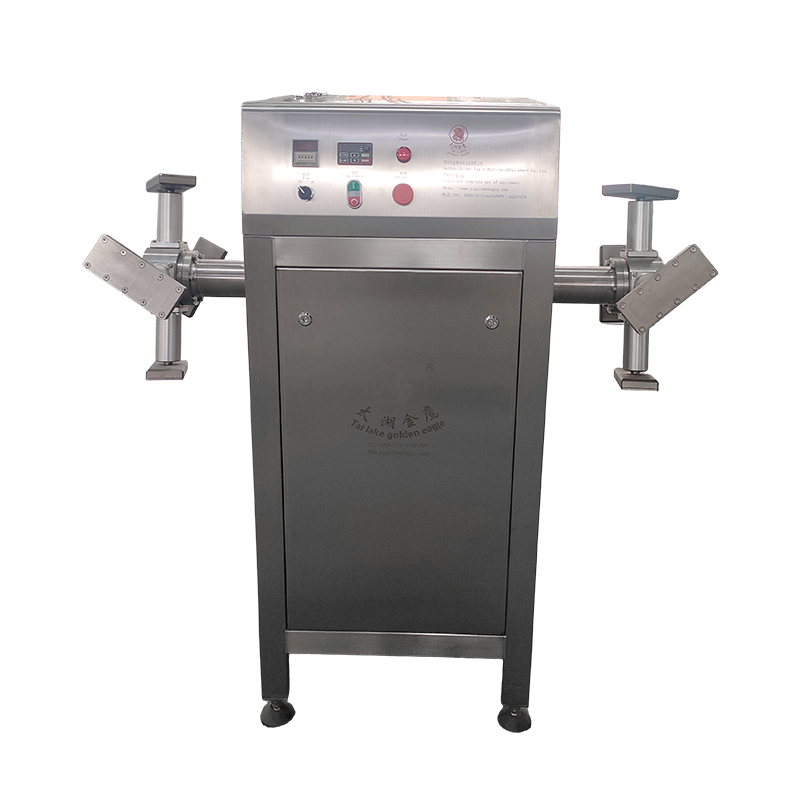
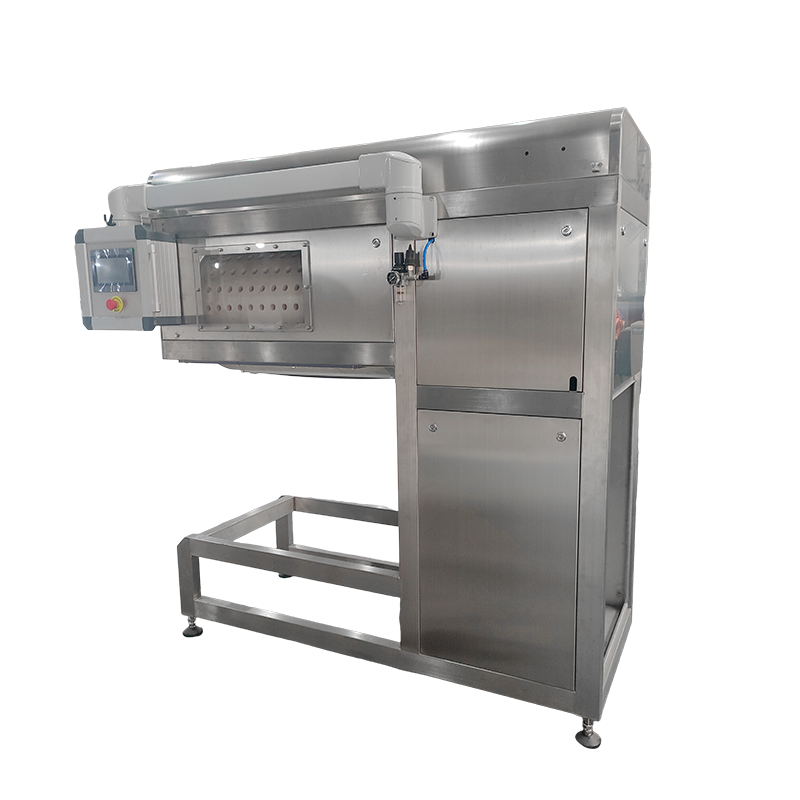
A Chocolate & Candy Polishing Machine applies a uniform glossy coating to chocolate-covered candies, nuts, beans, and similar confections by tumbling products inside a rotating drum while spraying wax, syrup, or shellac solutions. The result is a smooth, shiny surface that improves appearance, extends shelf life, and prevents sticking. Understanding how to operate this equipment correctly directly determines coating quality and production efficiency.
Core Components You Need to Know Before Operating
Before starting any polishing run, familiarize yourself with the main parts of the machine:
- Rotating drum (pan): The tilted, motorized cylinder where products tumble and receive coating. Drum angle is typically adjustable between 30°–45°.
- Spray nozzle system: Delivers polishing agents (wax emulsion, syrup, or shellac) in a fine mist across the tumbling product bed.
- Air supply and heating unit: Blows conditioned air (heated or cooled) into the drum to accelerate drying and setting of each coating layer.
- Drive motor and speed controller: Controls drum rotation speed, typically ranging from 8–25 RPM depending on product fragility and batch size.
- Control panel: Houses temperature, rotation speed, spray interval, and timer settings.
Step-by-Step Guide to Using Chocolate Polishing Equipment
Step 1 — Pre-Operation Inspection
Before loading any product, complete a pre-operation check:
- Confirm the drum interior is clean, dry, and free of residue from the previous batch.
- Check that spray nozzles are unclogged and properly seated.
- Verify the air supply pressure is within the recommended range (typically 0.4–0.6 MPa).
- Inspect seals, drive belts, and electrical connections for wear or damage.
Step 2 — Set Machine Parameters
Parameter settings vary by product type. Use the table below as a general reference:
| Product Type | Drum Speed (RPM) | Air Temperature (°C) | Spray Interval (sec) |
|---|---|---|---|
| Chocolate-coated nuts | 10–14 | 18–22 | 30–60 |
| Hard candy shells | 15–20 | 20–25 | 20–40 |
| Sugar-panned chocolates | 8–12 | 16–20 | 45–90 |
| Gummy / soft candy | 6–10 | 22–28 | 60–120 |
Lower drum speeds reduce breakage for delicate products; higher speeds promote faster, more even coating distribution for harder shells.
Step 3 — Load the Product
Fill the drum to no more than 60–70% of its working volume. Overfilling restricts tumbling motion and causes uneven gloss or product damage. For a 100 kg capacity drum, a typical batch load is 60–70 kg.
Step 4 — Apply the Polishing Agent
Start the drum rotation first, then activate the spray system. Apply the polishing agent in multiple thin layers rather than one heavy application:
- Each spray cycle should apply a very fine, uniform mist — avoid pooling or wet spots on the product surface.
- Allow each layer to partially dry before the next spray — typically 30–120 seconds depending on the agent and air temperature.
- For wax-based polishing, 3–5 spray cycles are usually sufficient for a high-gloss finish.
- For shellac-based coatings, 5–8 cycles may be needed to achieve the desired sheen and protection level.
Step 5 — Drying and Setting
After the final spray layer, continue drum rotation with active airflow for 5–15 minutes to fully set the coating. Insufficient drying time leads to surface tackiness or product sticking together during packaging. Product surface temperature should not exceed 30°C during this phase to protect the chocolate base.
Step 6 — Discharge and Inspection
Tilt the drum to the discharge position and collect the finished product. Inspect a sample for gloss uniformity, surface smoothness, and the absence of cracks or dull spots before passing the batch to the next production stage.
Choosing the Right Polishing Agent for Your Product
The polishing agent directly determines the final appearance and functional properties of the coated product. The three most common options are:
- Carnauba wax emulsion: Food-grade, widely used for chocolate and candy. Produces a natural, medium-to-high gloss. Suitable for most confectionery applications.
- Shellac solution: Provides a harder, higher-gloss finish with better moisture barrier properties. Commonly used for sugar-panned chocolates and pharmaceutical-style candy coatings.
- Beeswax: Natural alternative offering a soft sheen. Often combined with carnauba wax to balance gloss level and application ease.
Always verify that the polishing agent selected is approved for food contact use and compatible with your product's existing coating ingredients.
Key Operating Mistakes to Avoid
Even experienced operators encounter quality issues when these common errors occur:
- Over-spraying in a single pass: Applying too much polishing agent at once causes uneven buildup, dull patches, or product clumping. Always use multiple thin layers.
- Incorrect drum temperature: If the drum or incoming air is too warm (above 30–32°C for chocolate products), the chocolate base can soften and lose its shape.
- Inconsistent batch sizes: Running batches significantly smaller or larger than the optimized load weight changes tumbling dynamics and produces inconsistent gloss levels across production runs.
- Skipping nozzle cleaning: Dried polishing agents clog spray nozzles quickly. Nozzles should be rinsed or cleaned after every production batch.
- Stopping the drum too early: Discharging product before the coating has fully set results in sticky surfaces that cause packaging problems downstream.
Daily and Periodic Maintenance of Chocolate Polishing Equipment
Consistent maintenance protects equipment lifespan and ensures repeatable product quality. Follow this schedule:
| Frequency | Maintenance Task |
|---|---|
| After every batch | Clean spray nozzles; wipe drum interior surfaces |
| Daily | Inspect air filters; check drum rotation for unusual noise or vibration |
| Weekly | Lubricate drum bearings and drive chain; check belt tension |
| Monthly | Deep-clean the drum and spray system; inspect electrical connections and seals |
| Every 6 months | Full mechanical inspection; replace worn belts, seals, or nozzle components as needed |
Proper lubrication and nozzle cleaning account for the majority of preventable equipment downtime in confectionery polishing operations.
Factors That Affect Polishing Quality and Output
Achieving consistent, high-quality results depends on controlling several interacting variables simultaneously:
- Ambient humidity: High relative humidity (above 60% RH) slows drying between spray layers and can cause surface blooming on chocolate products. Climate control in the production room is strongly recommended.
- Product moisture content: Products entering the polishing drum should be fully dried and stable. Residual surface moisture interferes with adhesion of the polishing agent.
- Polishing agent concentration: Most wax emulsions are applied at 10–30% concentration. Too dilute reduces gloss intensity; too concentrated increases the risk of uneven buildup.
- Drum surface condition: A clean, smooth drum interior promotes even tumbling. Residue from previous batches or surface corrosion can cause uneven product movement and inconsistent coating.
FAQ
Q1: How long does a typical chocolate polishing cycle take?
A standard polishing cycle takes 20–45 minutes depending on the number of coating layers applied, drying time between sprays, and the type of polishing agent used.
Q2: Can one machine polish both chocolate and hard candy products?
Yes. Most chocolate polishing equipment is designed for multi-product use. Adjust drum speed, air temperature, and spray intervals according to the specific product being processed, and thoroughly clean the drum between different product types.
Q3: What causes a dull or uneven finish after polishing?
Common causes include over-spraying in a single pass, insufficient drying time between layers, incorrect air temperature, clogged spray nozzles, or high ambient humidity in the production area.
Q4: How do I prevent products from sticking together in the drum?
Ensure each spray layer is thin and adequately dried before the next application. Maintaining the correct drum speed keeps products in constant motion and prevents contact time long enough for sticking to occur.
Q5: How often should spray nozzles be replaced?
With proper daily cleaning, spray nozzles typically last 6–12 months before performance degrades noticeably. Replace nozzles immediately if spray pattern becomes uneven or flow rate drops despite cleaning.
Q6: Is it necessary to heat the polishing agent before use?
For most wax emulsions, room temperature application is sufficient. However, in cold production environments (below 15°C), gently warming the polishing agent to 20–25°C improves spray atomization and surface adhesion.