

 English
  Français
  عربى
عربى How energy-efficient is modern chocolate tempering machinery compared to older models?
Content
- 1 Introduction to chocolate tempering machinery
- 2 Energy consumption patterns in older chocolate tempering machinery
- 3 Technological advancements in modern chocolate tempering machinery
- 4 Comparing energy efficiency between modern and older machines
- 5 Operational practices that enhance energy efficiency
- 6 Benefits of energy-efficient chocolate tempering machinery
- 7 Industry considerations and buyer perspectives
- 8 Future trends in energy-efficient chocolate tempering machinery
- 9 Conclusion
Chocolate tempering machinery plays a crucial role in the production of high-quality chocolate products. In recent years, manufacturers have increasingly focused on improving energy efficiency without compromising output quality.
Introduction to chocolate tempering machinery
Chocolate tempering machinery is designed to precisely control the crystallization process of chocolate, ensuring that the final product has a smooth texture, glossy appearance, and stable structure. Tempering involves heating and cooling chocolate to specific temperature ranges and maintaining these conditions while agitating the chocolate to encourage the formation of stable cocoa butter crystals.
Older models of chocolate tempering machinery typically relied on manual or semi-automated processes with limited temperature control and less efficient energy usage. Modern models, however, incorporate advanced digital controls, energy-saving components, and automated monitoring systems. These improvements contribute to lower energy consumption, higher consistency in chocolate quality, and reduced operational costs.
In the context of the chocolate manufacturing industry, energy efficiency is not only a matter of cost savings but also an important factor in sustainability and environmental impact. Efficient chocolate tempering machinery reduces electricity usage, minimizes heat loss, and allows manufacturers to maintain production output while consuming less energy.
Energy consumption patterns in older chocolate tempering machinery
Older chocolate tempering machinery was typically characterized by basic heating elements, limited insulation, and manual temperature control. These machines required continuous monitoring and frequent adjustments to maintain the ideal tempering conditions.
Key factors contributing to higher energy consumption in older models include:
- Inefficient heating systems: Many older tempering machines used standard electrical heaters that consumed large amounts of energy and released heat unevenly, requiring longer operation times.
- Poor thermal insulation: Without advanced insulation materials, these machines lost heat quickly, forcing heaters to remain active longer to maintain the desired chocolate temperature.
- Limited automation: Operators manually adjusted heating and cooling processes, which often led to energy wastage due to human error or delayed responses to temperature fluctuations.
- Continuous agitation systems: Older machines required constant motor operation, which increased electricity consumption, particularly in larger-scale production environments.
The result was higher energy costs and a less predictable production schedule. Factories using older chocolate tempering machinery often had to balance between product quality and energy expenditure, sometimes compromising one for the other.
Technological advancements in modern chocolate tempering machinery
Modern chocolate tempering machinery has been significantly improved to optimize both energy efficiency and product quality. These advancements are the result of integrating new materials, precision electronics, and intelligent control systems.
1. Improved heating and cooling systems
Modern machines utilize advanced heating elements, often designed to deliver uniform heat distribution across the tempering tank. Efficient cooling systems, including water-jacketed or air-cooled designs, allow rapid temperature adjustments with minimal energy loss. By precisely controlling heat input and output, modern chocolate tempering machinery reduces unnecessary energy consumption compared to older models.
2. Advanced insulation technologies
Insulation in contemporary tempering machines has been enhanced using materials with high thermal retention capabilities. These materials reduce heat loss during operation, which means heaters operate less frequently and for shorter durations. This contributes directly to energy savings and more stable chocolate temperature control.
3. Digital control and automation
Modern chocolate tempering machinery is often equipped with digital sensors, programmable logic controllers (PLCs), and touchscreen interfaces. These systems allow for precise temperature management, automatic adjustments to heating and cooling cycles, and optimized motor speed for agitation. Automation minimizes human error, ensures consistent chocolate tempering, and significantly reduces wasted energy.
4. Intelligent agitation mechanisms
Unlike older models with continuous motor operation, modern machines feature variable-speed motors and intermittent agitation cycles. This reduces electricity consumption while maintaining proper chocolate movement and crystallization. Some machines also monitor viscosity in real time to adjust motor activity, further optimizing energy use.
5. Integration with production lines
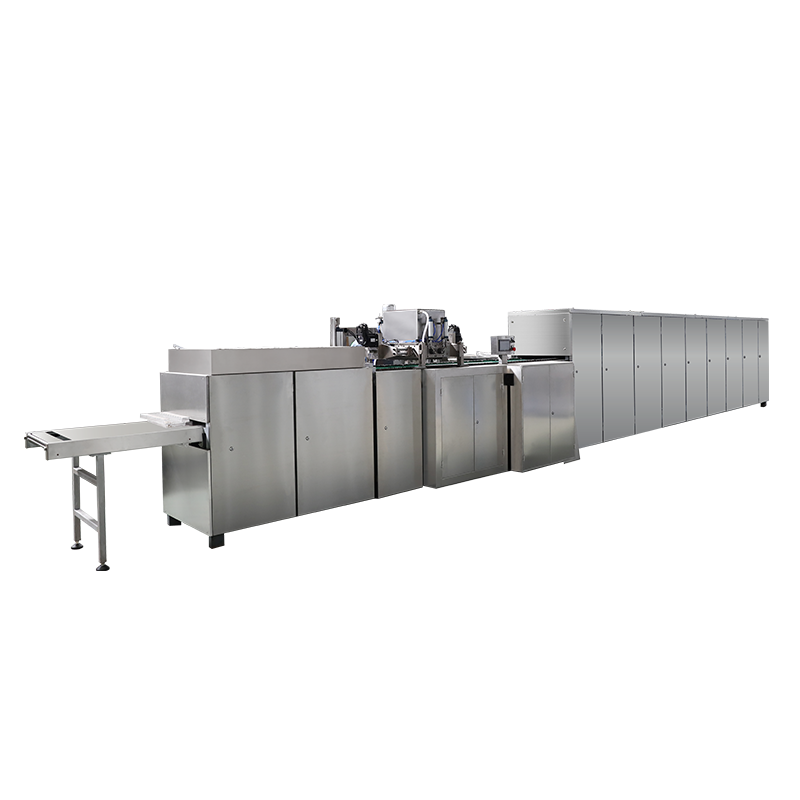
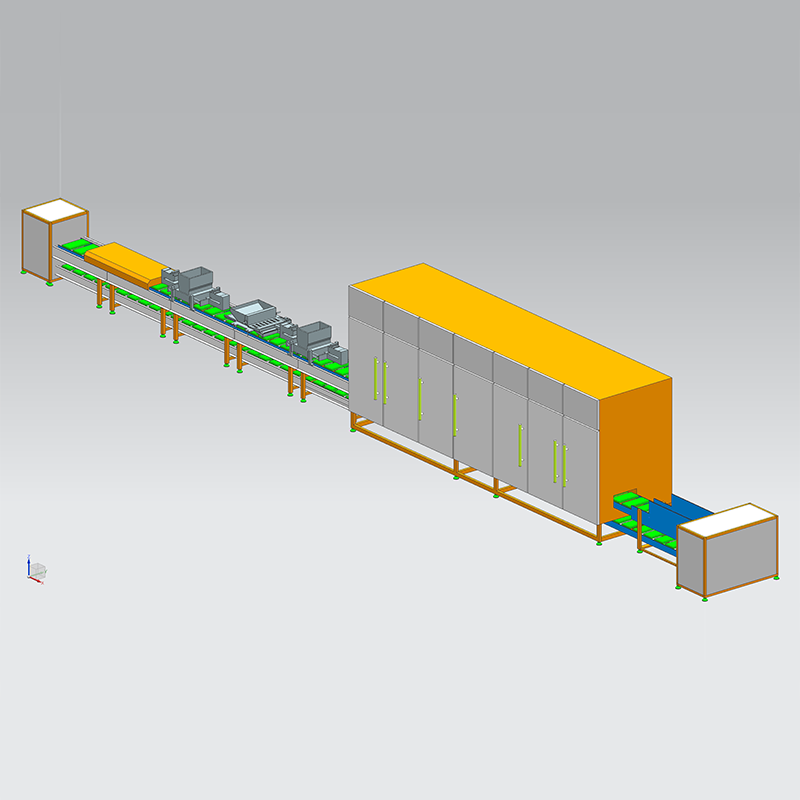
Modern chocolate tempering machinery can be integrated into automated production lines, allowing machines to operate only when needed and avoid idle energy use. Integration reduces overall energy consumption in the production environment and ensures that chocolate tempering is synchronized with other processes such as molding, enrobing, or depositing.
Comparing energy efficiency between modern and older machines
The energy efficiency of chocolate tempering machinery is determined by multiple factors, including heat retention, motor power usage, automation, and operational time. While exact energy savings vary by machine model and production scale, several key differences can be highlighted:
| Feature | Older Chocolate Tempering Machinery | Modern Chocolate Tempering Machinery |
|---|---|---|
| Heating system | Basic electrical heaters, uneven heat distribution | Advanced, uniform heating with high efficiency elements |
| Insulation | Minimal, high heat loss | High-performance insulation, low heat loss |
| Automation | Manual adjustments, high human intervention | PLC-controlled, digital sensors, automatic adjustments |
| Agitation | Continuous motor operation, high electricity usage | Variable-speed or intermittent motors, energy-optimized |
| Energy consumption | High, longer operational time | Lower, shorter operational time, reduced waste |
| Integration | Standalone operation | Seamless integration with production lines, reduced idle energy |
From this comparison, it is evident that modern chocolate tempering machinery is significantly more energy-efficient than older models. Energy savings are achieved through a combination of better thermal management, automation, and optimized motor usage.
Operational practices that enhance energy efficiency
Even with modern chocolate tempering machinery, operational practices play a critical role in maximizing energy efficiency. Manufacturers can further reduce energy consumption through careful planning and machine operation.
1. Batch optimization
Running machines with properly sized batches ensures that energy is not wasted on partially filled tanks. Larger, consistent batches can maintain temperature more effectively and reduce heater activation frequency.
2. Temperature management
Operators should avoid unnecessary temperature overshooting, which can cause additional energy use. Modern machines often include temperature logging and alerts to guide operators in maintaining efficient operation.
3. Preventive maintenance
Regular cleaning, lubrication, and inspection of mechanical components keep motors and heaters running at optimal efficiency. Dust accumulation or worn insulation can lead to energy losses, even in modern machines.
4. Scheduling production
Running machines during off-peak electricity hours or coordinating tempering cycles with other production stages reduces energy cost and improves overall plant efficiency.
5. Monitoring energy usage
Some modern chocolate tempering machinery includes energy monitoring features, allowing operators to track consumption patterns and adjust processes for maximum efficiency.
Benefits of energy-efficient chocolate tempering machinery
Adopting modern chocolate tempering machinery offers several advantages beyond direct energy savings:
- Reduced operational costs: Lower electricity consumption directly reduces production expenses, which is particularly significant for large-scale chocolate manufacturing facilities.
- Improved product consistency: Precise temperature control ensures that chocolate tempering is consistent across batches, reducing waste from defective products.
- Sustainability: Lower energy consumption contributes to reduced carbon footprint and supports environmentally responsible manufacturing practices.
- Reduced wear and tear: Optimized motor operation and heat control reduce mechanical stress on components, extending machine lifespan.
- Enhanced worker safety: Automated temperature and motor controls reduce the risk of overheating or manual intervention errors, protecting operators.
By investing in energy-efficient chocolate tempering machinery, manufacturers can achieve both economic and operational benefits.
Industry considerations and buyer perspectives
When evaluating chocolate tempering machinery for purchase, buyers often consider energy efficiency, production capacity, automation level, and maintenance requirements. Understanding the differences between modern and older machines helps buyers make informed decisions.
Key buyer considerations include:
- Cost vs. efficiency: While modern machines may have higher initial costs, energy savings over time provide a strong return on investment.
- Production scale: Energy-efficient machinery is particularly advantageous for medium to large-scale operations, where electricity costs are significant.
- Integration with other equipment: Buyers often prioritize machines that can be easily integrated into existing production lines to minimize idle energy use.
- Compliance and sustainability: Energy-efficient machines may help manufacturers meet regulatory standards and sustainability goals.
These considerations demonstrate that energy efficiency is not merely a technical advantage but a strategic factor in chocolate production planning.
Future trends in energy-efficient chocolate tempering machinery
As the chocolate industry continues to evolve, energy efficiency will remain a key area of focus. Emerging trends include:
- AI-assisted tempering: Artificial intelligence may optimize temperature and agitation cycles in real-time, further reducing energy usage.
- Renewable energy integration: Solar or alternative energy sources could supplement electricity for heating and motor operation.
- Advanced materials: New insulating and heat-conductive materials may improve energy retention while reducing operational time.
- Smart factory integration: Machines will increasingly communicate with other production systems to optimize overall energy consumption and reduce waste.
These trends suggest that energy-efficient chocolate tempering machinery will continue to advance, offering even greater cost and environmental benefits for manufacturers.
Conclusion
Modern chocolate tempering machinery represents a substantial improvement in energy efficiency compared to older models. Innovations in heating and cooling systems, digital control, insulation, and motor optimization have reduced electricity consumption while maintaining high-quality chocolate production.
For chocolate manufacturers, investing in energy-efficient machinery not only lowers operational costs but also improves product consistency, enhances sustainability, and supports safe and reliable production practices. While older models can still function effectively, modern machines provide clear advantages that make them the preferred choice for forward-thinking chocolate production facilities.
By understanding the energy consumption patterns, technological improvements, and operational practices associated with chocolate tempering machinery, industry professionals can make informed decisions that balance production quality with cost-efficiency and environmental responsibility.