

 English
  Français
  عربى
عربى How does a high-speed sugar pulverizer achieve superfine powder without melting the sugar?
Content
- 1 Understanding the Challenge of Sugar Pulverization in Chocolate Production
- 2 The Science of Thermal Management in High-Speed Grinding Operations
- 3 Mechanical Design Principles for Efficient Size Reduction
- 4 B2B Procurement Considerations for Sugar Pulverizing Equipment
- 5 Integration with Chocolate Production Lines
- 6 Process Optimization Strategies
- 7 Advanced Technologies in Modern Pulverizing Systems
- 8 Maintenance Protocols and Equipment Longevity
- 9 Troubleshooting Common Operational Challenges
- 10 Economic Analysis and Return on Investment
- 11 Future Trends in Sugar Pulverization Technology
- 12 Frequently Asked Questions About High Speed Chocolate Sugar Pulverizer Machines
Understanding the Challenge of Sugar Pulverization in Chocolate Production
The transformation of crystalline sugar into superfine powder represents one of the most technically demanding processes in chocolate manufacturing. Sugar crystals, when subjected to mechanical grinding, generate substantial frictional heat. This heat poses a critical risk: sucrose begins to melt at approximately 160 degrees Celsius, and even before reaching this threshold, thermal degradation can cause caramelization, discoloration, and undesirable flavor changes that compromise final product quality.
Chocolate manufacturers require sugar particle sizes ranging from 20 to 30 micrometers for premium applications, particularly when producing smooth chocolate coatings, praline fillings, and ganache bases. Achieving this fineness while maintaining the sugar's crystalline structure demands sophisticated engineering solutions that balance mechanical force with thermal management.
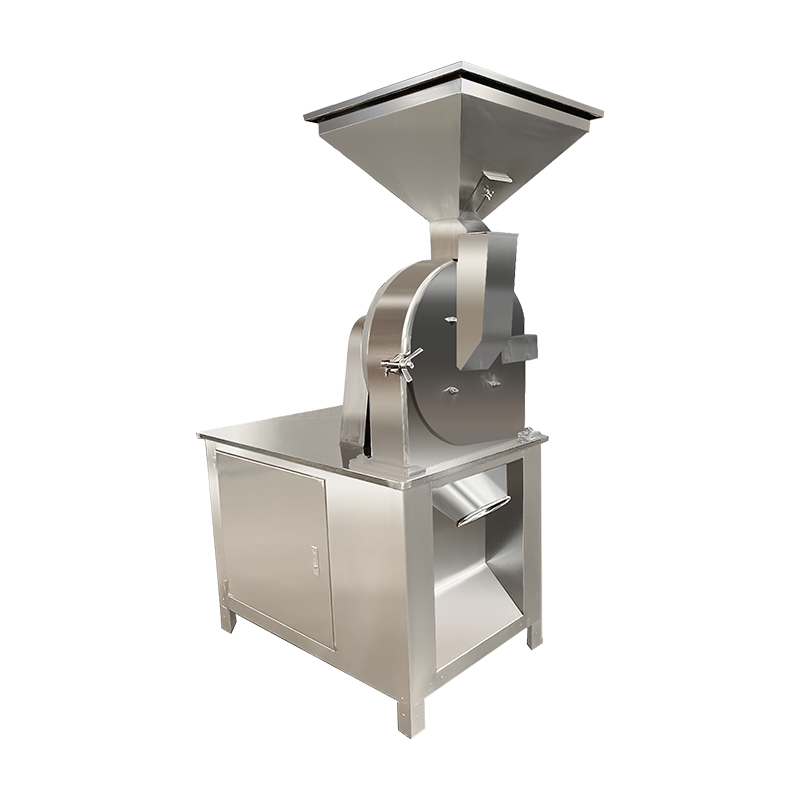
The High Speed Chocolate Sugar Pulverizer Machine addresses these challenges through integrated cooling systems, precision-engineered grinding chambers, and advanced material handling technologies. Understanding the underlying principles enables procurement professionals to evaluate equipment specifications effectively and make informed investment decisions.
The Science of Thermal Management in High-Speed Grinding Operations
Heat Generation Mechanisms During Pulverization
High-speed pulverization generates heat through multiple mechanisms. Impact grinding, where sugar crystals collide with rotating blades and chamber walls, converts kinetic energy into thermal energy. Shear forces between particles and grinding surfaces create additional heat through friction. At rotational speeds exceeding 3000 revolutions per minute, these effects compound rapidly, potentially raising material temperatures by 40 to 60 degrees Celsius within minutes of operation.
The specific heat capacity of sucrose (approximately 1.25 joules per gram per degree Celsius) means that even modest energy inputs can produce significant temperature increases when processing large volumes. Without intervention, batch temperatures can exceed safe thresholds, resulting in sugar melting, clumping, and equipment fouling that halts production and requires extensive cleaning protocols.
Cryogenic and Cooling System Architectures
Modern pulverizers employ multi-layered cooling strategies to maintain optimal processing temperatures. The primary approach involves jacketed grinding chambers where chilled water or food-grade coolant circulates through double-walled construction. These systems typically maintain chamber wall temperatures between 5 and 15 degrees Celsius, creating a thermal sink that absorbs generated heat before it transfers to the product.
Advanced systems incorporate auxiliary cooling mechanisms including:
- Liquid nitrogen injection systems for ultra-low temperature processing, maintaining internal environments below minus 40 degrees Celsius
- Air-cooled bearing housings that prevent heat migration from drive components into the grinding zone
- Cryogenic screw feeders that pre-cool sugar before it enters the grinding chamber
- Vacuum-assisted discharge systems that remove heat-laden air and fine particles simultaneously
Temperature monitoring systems with PT100 sensors positioned at multiple points throughout the grinding circuit provide real-time data, enabling automatic adjustment of cooling flows or rotational speeds when thresholds approach critical values.
Mechanical Design Principles for Efficient Size Reduction
Blade Geometry and Material Selection
The grinding mechanism relies on precisely engineered blades manufactured from high-grade stainless steel or tungsten carbide composites. Blade tip speeds in high-performance pulverizers reach 80 to 120 meters per second, generating sufficient impact force to fracture sugar crystals while minimizing contact time that would otherwise transfer excessive heat.
Blade configurations vary based on target particle size distributions. Hammer-style blades excel at initial coarse reduction, while pin-disc arrangements achieve the finest particle sizes through multiple impact cycles. Multi-stage grinding chambers incorporate progressively finer grinding zones, allowing particles to achieve target specifications without over-processing that generates unnecessary heat.
Classification and Separation Systems
Integral air classification systems separate appropriately sized particles from the grinding stream, preventing over-grinding and reducing thermal load. Centrifugal classifiers with adjustable speed controls allow operators to specify exact cut points, typically ranging from 15 to 100 micrometers depending on application requirements.
These systems operate on the principle of aerodynamic drag versus centrifugal force. Particles below the target size possess sufficient surface area-to-mass ratios that air drag overcomes centrifugal force, carrying them through the classifier outlet. Oversized particles remain in the grinding zone for additional processing cycles. This selective removal prevents unnecessary grinding of already-adequate particles, significantly reducing energy consumption and heat generation.
B2B Procurement Considerations for Sugar Pulverizing Equipment
Capacity Planning and Throughput Requirements
Industrial chocolate manufacturers must align equipment specifications with production targets. High-speed pulverizers offer throughput capacities ranging from 100 to 2000 kilograms per hour, depending on model configuration and target particle size. Finer grinding requirements typically reduce throughput rates, as achieving 20-micrometer particles demands longer residence times in the grinding chamber compared to 80-micrometer specifications.
Production planners should calculate required capacity based on:
- Daily chocolate production volume and sugar content percentages
- Operating schedule constraints and required batch turnaround times
- Seasonal demand fluctuations that may necessitate surge capacity
- Future expansion plans requiring scalable equipment investments
Energy Efficiency and Operational Cost Analysis
Power consumption represents a significant operational expenditure in high-speed grinding operations. Motor ratings for industrial pulverizers typically range from 15 to 75 kilowatts, with energy efficiency varying based on design sophistication. Premium equipment incorporates variable frequency drives that modulate motor speed according to load conditions, reducing energy consumption by 20 to 35 percent compared to fixed-speed alternatives.
Total cost of ownership calculations should incorporate:
| Capital Equipment Investment | Initial purchase price including installation and commissioning |
| Energy Consumption | Annual electricity costs based on local utility rates and operating hours |
| Maintenance Expenditures | Scheduled servicing, blade replacement, and bearing refurbishment cycles |
| Coolant System Costs | Water treatment, refrigeration equipment maintenance, and cryogenic gas supplies |
| Downtime Impact | Lost production value during maintenance or cleaning intervals |
Compliance with Food Safety Standards
Equipment destined for chocolate production must satisfy stringent hygiene requirements. Stainless steel construction with 304 or 316L grade specifications ensures corrosion resistance and prevents contamination. Surface finishes achieving Ra 0.8 micrometers or smoother facilitate cleaning and prevent bacterial harborage points.
Design features supporting sanitary operation include:
- Quick-release clamping systems enabling tool-free disassembly for cleaning
- Sealed bearing housings preventing lubricant migration into product zones
- Smooth internal welds ground flush with surrounding surfaces
- IP65-rated electrical enclosures protecting control systems during washdown procedures
Integration with Chocolate Production Lines
Upstream Material Handling
Efficient pulverizer operation depends on consistent feed supply. Bulk sugar delivery systems utilizing pneumatic conveying or screw augers maintain steady material flow into the grinding chamber. Pre-conditioning equipment including magnetic separators and metal detectors removes ferrous contaminants that could damage grinding blades or compromise food safety.
Feed rate control systems synchronize pulverizer input with downstream processing capacity. Variable speed feeders adjust delivery rates based on motor load feedback, preventing overloading that reduces grinding efficiency and increases thermal stress on equipment components.
Downstream Powder Conveying and Storage
Pulverized sugar requires immediate handling to prevent moisture absorption and caking. Closed-loop pneumatic conveying systems transport powder to storage silos or directly to chocolate mixing equipment. Inert gas blanketing using nitrogen prevents oxidation and maintains powder flowability during storage periods.
Storage silos for superfine sugar incorporate fluidization systems that maintain powder in an aerated state, preventing compaction that would impede discharge. Level sensors and automated discharge controls ensure first-in-first-out inventory management, minimizing storage time and quality degradation risks.
Process Optimization Strategies
Particle Size Distribution Control
Chocolate texture and mouthfeel depend heavily on sugar particle size distribution. Narrow distributions produce smoother textures, while broader ranges create distinctive sensory characteristics. High-speed pulverizers achieve control through:
- Classifier speed adjustment modifying the cut point for particle separation
- Grinding blade gap settings influencing impact intensity
- Airflow rate modification affecting particle residence time in the grinding zone
- Feed rate optimization balancing throughput against size reduction efficiency
Laser diffraction particle size analyzers provide quality control verification, measuring distributions across the 0.1 to 1000 micrometer range with precision better than 1 percent relative standard deviation.
Moisture Management Protocols
Sugar moisture content significantly affects pulverization efficiency and product stability. Raw sugar typically contains 0.02 to 0.05 percent moisture, but environmental exposure during processing can elevate this level. Moisture above 0.1 percent promotes clumping and reduces flowability, while also increasing the risk of microbial contamination.
Processing environments maintain relative humidity below 40 percent at temperatures between 18 and 22 degrees Celsius. Dehumidification systems with desiccant rotors or refrigeration-based moisture removal prevent atmospheric moisture absorption during grinding and conveying operations.
Advanced Technologies in Modern Pulverizing Systems
Smart Control and Automation Integration
Contemporary pulverizers incorporate programmable logic controllers with touchscreen interfaces enabling precise parameter adjustment and process monitoring. Automated systems maintain optimal grinding conditions through continuous feedback loops adjusting:
- Motor amperage draw indicating grinding load and potential blockages
- Vibration sensors detecting bearing wear or blade imbalance conditions
- Temperature arrays monitoring thermal gradients throughout the system
- Differential pressure indicators signaling filter or classifier maintenance requirements
Industrial Internet of Things connectivity enables remote monitoring and predictive maintenance scheduling, reducing unplanned downtime by 30 to 50 percent compared to reactive maintenance approaches.
Sustainable Manufacturing Features
Environmental considerations increasingly influence equipment selection decisions. Energy recovery systems capture heat from grinding operations for facility heating applications. Closed-loop cooling circuits minimize water consumption, while dust collection systems with high-efficiency particulate air filtration prevent atmospheric emissions and recover valuable product.
Noise reduction technologies including acoustic enclosures and vibration isolation mounts maintain workplace sound levels below 85 decibels, complying with occupational health regulations while improving operator working conditions.
Maintenance Protocols and Equipment Longevity
Preventive Maintenance Scheduling
High-speed pulverizers operate under extreme mechanical stress, necessitating rigorous maintenance programs. Grinding blades require inspection every 500 to 1000 operating hours, with replacement intervals typically ranging from 2000 to 4000 hours depending on material hardness and operating conditions. Blade wear progressively reduces grinding efficiency and increases heat generation, making timely replacement critical for process economics.
Bearing maintenance follows manufacturer specifications, with lubrication intervals based on operating hours and thermal exposure. High-temperature synthetic lubricants withstand the thermal conditions present in grinding equipment, extending bearing service life to 15000 to 25000 hours under normal operating conditions.
Cleaning and Sanitation Procedures
Product changeover and routine sanitation require systematic cleaning protocols. Dry ice blasting effectively removes sugar residues without moisture introduction, while clean-in-place systems using food-grade solvents flush internal surfaces. Validation procedures including ATP bioluminescence testing verify sanitation effectiveness, ensuring compliance with hazard analysis critical control point requirements.
Troubleshooting Common Operational Challenges
Even well-designed pulverizing systems encounter operational challenges requiring systematic diagnosis and resolution. Understanding common failure modes enables rapid response minimizing production disruptions.
| Symptom | Probable Cause | Corrective Action |
| Excessive heat generation | Coolant flow restriction or blade wear | Inspect cooling lines and measure blade clearances |
| Inconsistent particle size | Classifier imbalance or feed rate fluctuation | Calibrate classifier speed and stabilize feeding system |
| Reduced throughput capacity | Screen blinding or air filter saturation | Clean or replace classification screens and filters |
| Product contamination | Worn seals or foreign object intrusion | Replace shaft seals and inspect upstream metal detection |
| Excessive vibration | Blade imbalance or bearing degradation | Perform dynamic balancing and bearing inspection |
Economic Analysis and Return on Investment
Capital Investment Justification
High-speed sugar pulverizers represent significant capital investments, with industrial-grade equipment ranging from 50000 to 250000 US dollars depending on capacity and feature specifications. Return on investment calculations must incorporate both tangible cost savings and quality improvements enabling premium product positioning.
In-house pulverization compared to purchased pre-ground sugar generates savings through:
- Elimination of supplier margins typically representing 15 to 25 percent of material costs
- Reduced packaging and transportation expenses for bulk raw sugar versus pre-ground powder
- Flexibility to adjust particle specifications without supply chain coordination delays
- Quality control integration ensuring consistent raw material standards
Payback periods typically range from 18 to 36 months for mid-sized chocolate manufacturers processing 500 to 2000 kilograms of sugar daily, with larger operations achieving faster returns due to economies of scale.
Quality Premium Capture
Superfine sugar pulverization enables texture improvements supporting premium pricing strategies. Chocolate products incorporating 20-micrometer sugar particles command price premiums of 20 to 40 percent compared to standard formulations using 50-micrometer or larger crystals. The ability to precisely control particle size distributions allows manufacturers to develop distinctive product lines targeting discerning consumer segments.
Future Trends in Sugar Pulverization Technology
Alternative Grinding Technologies
Research and development efforts explore alternative size reduction methods potentially offering superior efficiency or product quality. Jet milling utilizing high-velocity air streams achieves particle sizes below 10 micrometers without mechanical grinding components, eliminating metal contamination risks and reducing heat generation. Current limitations include lower throughput capacities and higher energy consumption, but technological advances may address these constraints.
Ultrasonic-assisted grinding applies high-frequency vibrations to enhance fracture propagation in sugar crystals, potentially reducing the energy required for size reduction by 15 to 30 percent. Integration with conventional high-speed pulverizers may yield hybrid systems combining throughput capacity with energy efficiency improvements.
Digital Twin and Simulation Applications
Computational fluid dynamics modeling and discrete element method simulations enable virtual optimization of grinding chamber geometries before physical prototyping. Digital twin implementations create virtual replicas of operating equipment, predicting maintenance requirements and optimizing operating parameters in real-time. These technologies reduce development costs and accelerate equipment refinement cycles.
Frequently Asked Questions About High Speed Chocolate Sugar Pulverizer Machines
Q1: What is the minimum particle size achievable with high-speed sugar pulverizers?
Modern high-speed pulverizers can achieve sugar particle sizes as fine as 15 to 20 micrometers for chocolate applications. The actual minimum depends on equipment configuration, cooling system capacity, and classification system precision. Cryogenic cooling enables finer grinding by maintaining brittleness that facilitates fracture.
Q2: How does the cooling system prevent sugar melting during high-speed grinding?
Multi-layered cooling systems maintain grinding chamber temperatures between 5 and 15 degrees Celsius through jacketed construction with chilled coolant circulation. This thermal management absorbs frictional heat before it transfers to sugar particles, keeping material temperatures well below the 160 degrees Celsius melting point of sucrose.
Q3: What throughput capacity should chocolate manufacturers expect from industrial pulverizers?
Throughput varies based on target particle size and equipment specifications. Standard industrial models process 100 to 2000 kilograms per hour. Finer grinding requirements reduce throughput, with 20-micrometer production typically achieving 50 to 70 percent of the rate possible for 80-micrometer particles.