

 English
  Français
  عربى
عربى How Does A Chocolate Depositor Machine Handle Thick Chocolate Mixtures?
Content
- 1 Understanding Thick Chocolate Mixtures
- 2 Machine Design Considerations for Thick Chocolate
- 3 Operational Strategies
- 4 Integration with Production Lines
- 5 Maintenance and Troubleshooting
- 6 Advantages of Using a Chocolate Depositor Machine for Thick Chocolate
- 7 Conclusion
- 8 Frequently Asked Questions (FAQ)
- 9 References
The Chocolate Depositor Machine plays a critical role in modern confectionery production, particularly in managing the depositing of chocolate with varying viscosities. Among the various challenges faced in chocolate processing, handling thick chocolate mixtures is one of the most significant. Thick chocolate, often used for filled chocolates, layered products, or specialty confections, requires precise control of flow, temperature, and pressure to ensure consistent deposition without compromising texture or appearance.
The performance of a Chocolate Depositor Machine in handling viscous chocolate is influenced by several factors, including machine design, pumping systems, temperature regulation, and nozzle configuration. Understanding these factors is essential for manufacturers seeking to optimize production efficiency, maintain product quality, and reduce material waste.
Understanding Thick Chocolate Mixtures
Thick chocolate mixtures typically have a higher solid content, which increases their viscosity. Such mixtures are commonly found in ganaches, compound chocolates, and coatings for certain confectionery products. The consistency of these mixtures can vary depending on the type of chocolate, cocoa solids content, sugar composition, and any added fillings.
Key considerations for thick chocolate in a Chocolate Depositor Machine include:
- Flow Behavior: Thick chocolate does not flow as freely as standard liquid chocolate, requiring precise pump control.
- Temperature Sensitivity: Maintaining a consistent temperature is critical to avoid crystallization or uneven deposition.
- Nozzle Pressure: Higher viscosity requires increased pressure to achieve accurate portioning.
- Mixing Requirements: Some thick mixtures may need pre-conditioning or agitation before deposition.
The following table illustrates common thick chocolate types and their typical applications in confectionery:
| Chocolate Type | Typical Viscosity | Common Applications |
|---|---|---|
| Dark Ganache | High | Filled chocolates, truffles |
| Milk Compound | Medium-High | Layered bars, enrobed products |
| White Chocolate | Medium | Decorative coatings, molded shapes |
| Nut-Infused Chocolate | Very High | Specialty bars, filled chocolates |
Machine Design Considerations for Thick Chocolate
The ability of a Chocolate Depositor Machine to handle thick chocolate depends largely on its design features. Several aspects of machine construction are critical:
- Pumping System: A robust pump, often piston or auger type, ensures consistent flow of viscous chocolate. The pump must accommodate variable viscosities and maintain portioning accuracy.
- Temperature Control System: Integrated heating elements or jacketed tanks maintain optimal chocolate temperature, reducing the risk of blockages and uneven deposition.
- Nozzle Design: Adjustable nozzles allow for varying deposit sizes and reduce resistance for thick chocolate flow.
- Agitation Mechanisms: Machines may incorporate internal mixers or stirrers to keep thick chocolate homogenous, preventing separation of cocoa solids and fats.
| Design Feature | Function for Thick Chocolate | Benefit |
|---|---|---|
| Piston Pump | Provides consistent pressure | Accurate portioning |
| Heated Reservoir | Maintains optimal temperature | Prevents solidification |
| Adjustable Nozzle | Controls deposit size | Customizable shapes and layers |
| Internal Agitation | Prevents chocolate settling | Uniform texture |
Operational Strategies
Operating a Chocolate Depositor Machine with thick chocolate requires careful management of both machine settings and the chocolate itself. Key operational strategies include:
- Pre-Heating the Chocolate: Ensuring the mixture reaches the appropriate temperature for viscosity reduction before entering the machine.
- Gradual Pump Engagement: Slowly ramping up pump pressure prevents sudden surges that can damage the machine or create inconsistent deposits.
- Nozzle Adjustments: Selecting the correct nozzle size and shape for the chocolate consistency ensures smooth deposition and minimizes air incorporation.
- Continuous Monitoring: Operators should regularly observe chocolate flow, deposit accuracy, and machine performance to detect potential blockages early.
- Regular Agitation: Machines equipped with agitators or stirrers should maintain consistent movement within the reservoir to prevent sedimentation of solid components.
Integration with Production Lines
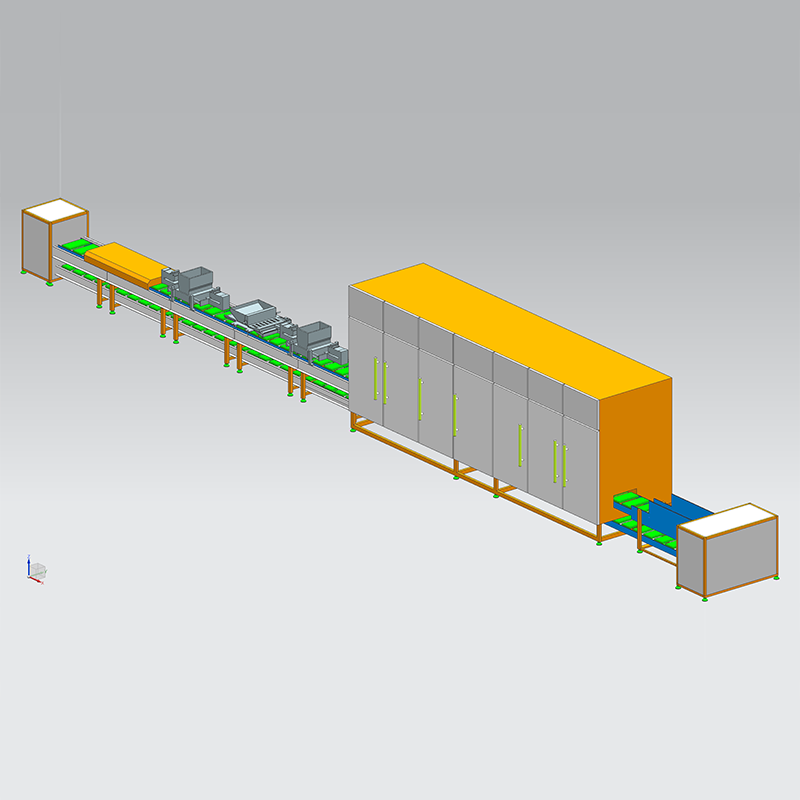
Chocolate Depositor Machines handling thick chocolate mixtures often need to be integrated with other equipment, such as cooling tunnels, molds, or enrobing lines. Effective integration requires:
- Synchronization with Downstream Equipment: Timing deposit cycles to match cooling or molding steps prevents overflows or uneven layering.
- Automation Capabilities: Programmable logic controllers (PLCs) allow precise control over deposit volume, speed, and sequence.
- Hygiene Management: Proper cleaning-in-place (CIP) systems reduce downtime while maintaining sanitary conditions.
Maintenance and Troubleshooting
Maintaining a Chocolate Depositor Machine for thick chocolate requires diligence. Common maintenance practices include:
- Routine Cleaning: Frequent cleaning prevents chocolate build-up and reduces contamination risks.
- Inspection of Seals and Gaskets: Thick chocolate exerts more pressure, which can accelerate wear.
- Lubrication of Moving Parts: Ensures smooth operation of pumps and pistons.
- Temperature Sensor Calibration: Accurate temperature readings are critical to avoid viscosity-related issues.
Common troubleshooting scenarios:
- Chocolate Not Depositing: Often caused by blockages in the nozzle or low temperature.
- Inconsistent Deposit Size: Can result from uneven agitation or pump malfunction.
- Air Bubbles in Deposits: Usually due to trapped air in the reservoir or incorrect pump speed.
Advantages of Using a Chocolate Depositor Machine for Thick Chocolate
Using a Chocolate Depositor Machine provides several operational advantages:
- Consistency: Ensures uniform deposit size and shape across production batches.
- Efficiency: Reduces manual labor and increases production speed.
- Versatility: Can handle a range of chocolate viscosities with adjustable settings.
- Reduced Waste: Precise portioning minimizes leftover chocolate and scrap.
Conclusion
Handling thick chocolate mixtures is a complex task that requires precise machinery, careful operational strategies, and diligent maintenance. The Chocolate Depositor Machine provides a reliable solution for manufacturers seeking consistent, high-quality chocolate deposits. By understanding machine design, operational best practices, and maintenance requirements, confectionery producers can achieve optimal performance and product quality.
Frequently Asked Questions (FAQ)
Q1: Can a Chocolate Depositor Machine handle chocolate with added nuts or fillings?
A1: Yes, but nozzle selection and pump pressure must be adjusted to accommodate the added viscosity and solid content.
Q2: How often should a Chocolate Depositor Machine be cleaned when processing thick chocolate?
A2: Cleaning should occur after every production run to prevent buildup, which can cause blockages and affect product quality.
Q3: Is it necessary to pre-condition thick chocolate before using a Chocolate Depositor Machine?
A3: Yes, pre-heating and gentle agitation are important to ensure smooth flow and accurate deposition.
Q4: What factors affect the deposit accuracy of thick chocolate?
A4: Pump type, nozzle size, chocolate temperature, and agitation consistency all influence deposit accuracy.
Q5: Can automation improve the performance of a Chocolate Depositor Machine with thick chocolate?
A5: Automation allows precise control of volume, speed, and timing, reducing human error and improving consistency.
References
- Smith, J. Modern Chocolate Processing Techniques, Confectionery Press, 2021.
- Brown, L. Automation in Chocolate Production, Food Engineering Journal, 2020.
- Taylor, R. Viscosity Management in Confectionery Equipment, Chocolate Technology Review, 2019.