

 English
  Français
  عربى
عربى How do different Chocolate Chip Making Machines impact chip shape and size?
Chocolate chip production has evolved significantly over the years, with the design and functionality of Chocolate Chip Making Machine playing a pivotal role in determining the final product. Among the most critical aspects for manufacturers is the shape and size of chocolate chips, as these factors influence both consumer appeal and baking performance.
Introduction to Chocolate Chip Making Machines
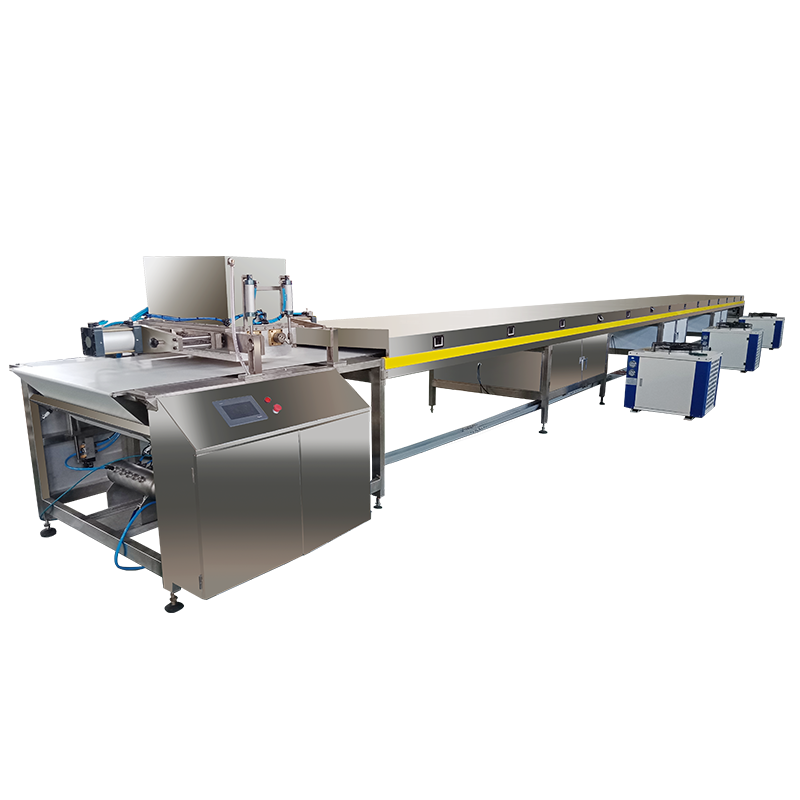
A Chocolate Chip Making Machine is an industrial equipment designed to form chocolate into small, uniform pieces suitable for use in confectionery, bakery products, and snacks. Unlike traditional manual methods, these machines ensure consistent size, shape, and quality, which is crucial for large-scale production. Variations in machine type, mechanism, and configuration can lead to significant differences in chip dimensions and appearance.
The primary factors that determine the outcome of chocolate chips include temperature control, extrusion method, die design, and cooling mechanisms. Understanding how these parameters interact allows manufacturers to optimize chip uniformity and texture.
Key Factors Influencing Chip Shape and Size
1. Extrusion Method
Different Chocolate Chip Making Machines use varied extrusion techniques. Some machines employ a rotary die extrusion system, while others utilize a wire-cut or mold-based extrusion system.
- Rotary die extrusion pushes molten chocolate through a patterned die, producing chips with highly uniform size and shape. This method is particularly effective for standard teardrop or flat chip shapes.
- Wire-cut extrusion involves a moving wire or blade cutting a continuous chocolate stream, which can result in more irregular edges and slight variations in thickness.
The choice of extrusion method directly affects not only the visual consistency of chocolate chips but also their baking performance. Chips produced with precise extrusion tend to maintain their shape better during baking, whereas irregular chips may melt unevenly.
2. Die and Mold Design
The design of the die or mold in a Chocolate Chip Making Machine is a crucial determinant of chip shape. Dies may feature various profiles such as flat, dome, or teardrop, and they control the chocolate flow during formation.
- Flat dies produce chips with a consistent thickness and smooth edges, ideal for uniform baking.
- Dome-shaped dies allow for a slightly rounded chip, which may be preferred for aesthetic or coating purposes.
- Custom dies can be designed to create decorative or specialty chip shapes.
Even slight differences in die thickness, orifice diameter, and spacing can result in significant variations in chip size. Regular maintenance of the die ensures that the machine continues to produce consistent results over long production runs.
3. Temperature and Chocolate Viscosity Control
Temperature plays a dual role in a Chocolate Chip Making Machine: it affects both flowability and solidification. Maintaining proper chocolate viscosity is essential for achieving precise shapes.
- If the chocolate is too hot, it may spread excessively after extrusion, producing larger, flatter chips than intended.
- If the chocolate is too cold, it may resist flowing through the die, resulting in incomplete formation or irregular edges.
Modern Chocolate Chip Making Machines are equipped with temperature-controlled hoppers and cooling tunnels to stabilize the chocolate during processing. This ensures that the chips retain their intended dimensions and finish once cooled.
4. Cooling and Solidification Mechanisms
The cooling system within a Chocolate Chip Making Machine significantly affects final chip size and integrity. Different machines use air-cooling tunnels, cooling plates, or water-cooled conveyors to solidify chocolate.
- Air-cooling systems allow for gradual solidification, which reduces stress and deformation in delicate chip shapes.
- Cooling plates provide rapid surface cooling, which is suitable for machines producing thicker or more robust chips.
The rate of cooling must be carefully calibrated. Excessively rapid cooling can cause cracking, while slow cooling may allow chips to deform or merge before fully solidifying.
Operational Considerations for Uniform Chip Production
1. Machine Speed and Throughput
The operating speed of a Chocolate Chip Making Machine influences both size and shape consistency. Higher speeds increase throughput but may lead to slight variations if the extrusion system cannot maintain uniform flow. Slower speeds allow for more precise cutting or extrusion but reduce overall productivity.
Balancing speed and precision is crucial. Many modern machines allow for adjustable speed settings, which enable manufacturers to optimize for the desired chip specifications without compromising production efficiency.
2. Maintenance and Cleaning Practices
Consistent chip size and shape depend heavily on machine hygiene and maintenance. Residual chocolate or contamination in the die can alter flow patterns, resulting in irregular shapes.
Regular cleaning, particularly of dies, blades, and cooling conveyors, ensures that the Chocolate Chip Making Machine produces chips that meet quality standards. Scheduled maintenance also prevents wear-related deviations, which can subtly affect chip dimensions over time.
3. Ingredient and Formulation Impact
While the machine itself is critical, chocolate formulation also interacts with machine performance. Factors such as cocoa butter content, sugar particle size, and tempering quality influence how chocolate flows and solidifies in the machine.
Machines designed for high-precision output often include features to adjust for chocolate viscosity and compensate for slight variations in ingredients, ensuring uniform chip production across batches.
Comparison of Machine Types and Their Effects on Chips
| Machine Type | Extrusion Method | Chip Consistency | Shape Flexibility | Production Speed |
|---|---|---|---|---|
| Rotary die extrusion | Forced through shaped dies | High | Moderate (standard dies) | High |
| Wire-cut extrusion | Continuous chocolate cut by blade | Medium | Low (limited shape options) | Medium |
| Mold-based forming | Chocolate poured into molds | Very high | High (custom shapes) | Low |
| Multi-strand extrusion | Multiple chocolate streams extruded simultaneously | High | Moderate | Very high |
Table 1: Comparison of Chocolate Chip Making Machine types and their impact on chip production.
This table highlights how machine selection is closely linked to the desired chip characteristics. For example, mold-based machines excel at producing specialty shapes but have slower throughput, whereas rotary die machines balance speed and uniformity for large-scale commercial production.
Industry Best Practices for Optimal Chip Shape and Size
- Regular calibration of dies and cutting blades ensures consistent chip dimensions.
- Monitoring chocolate temperature at multiple stages maintains proper flow and prevents deformation.
- Use of precision cooling systems reduces stress and cracking in delicate shapes.
- Standardizing ingredient specifications minimizes variability caused by chocolate formulation.
- Implementing quality control checks at key points in the production line ensures chips meet size and shape standards.
Adopting these practices allows manufacturers to fully leverage the capabilities of a Chocolate Chip Making Machine, producing uniform and high-quality chocolate chips reliably.
Conclusion
The impact of a Chocolate Chip Making Machine on chip shape and size cannot be overstated. From extrusion methods and die design to temperature control and cooling mechanisms, every aspect of machine operation influences the final product. Manufacturers seeking uniform, aesthetically pleasing, and functional chocolate chips must carefully consider machine type, operating parameters, and maintenance protocols.
By understanding these factors and implementing industry best practices, it is possible to achieve consistent, high-quality chocolate chips that meet both consumer expectations and production efficiency requirements.